If you've got a mortgage, a job and children who need collecting, the honest version of anti-aging is short: keep your muscle, keep your heart fit, sleep, don't smoke, drink less, protect your skin, and get your blood pressure checked. That's most of it. Everything past that line is either modest, unproven, or an expensive way of feeling like you're doing something.
The frustrating part is that the boring stuff requires time and consistency, and the exciting stuff requires only a card payment. That asymmetry is exactly why the market for the exciting stuff is so large.
So let's sort it into three piles. What's well supported. What's plausible but unsettled. And what's being sold to you on hope.
The pile with the strongest evidence behind it
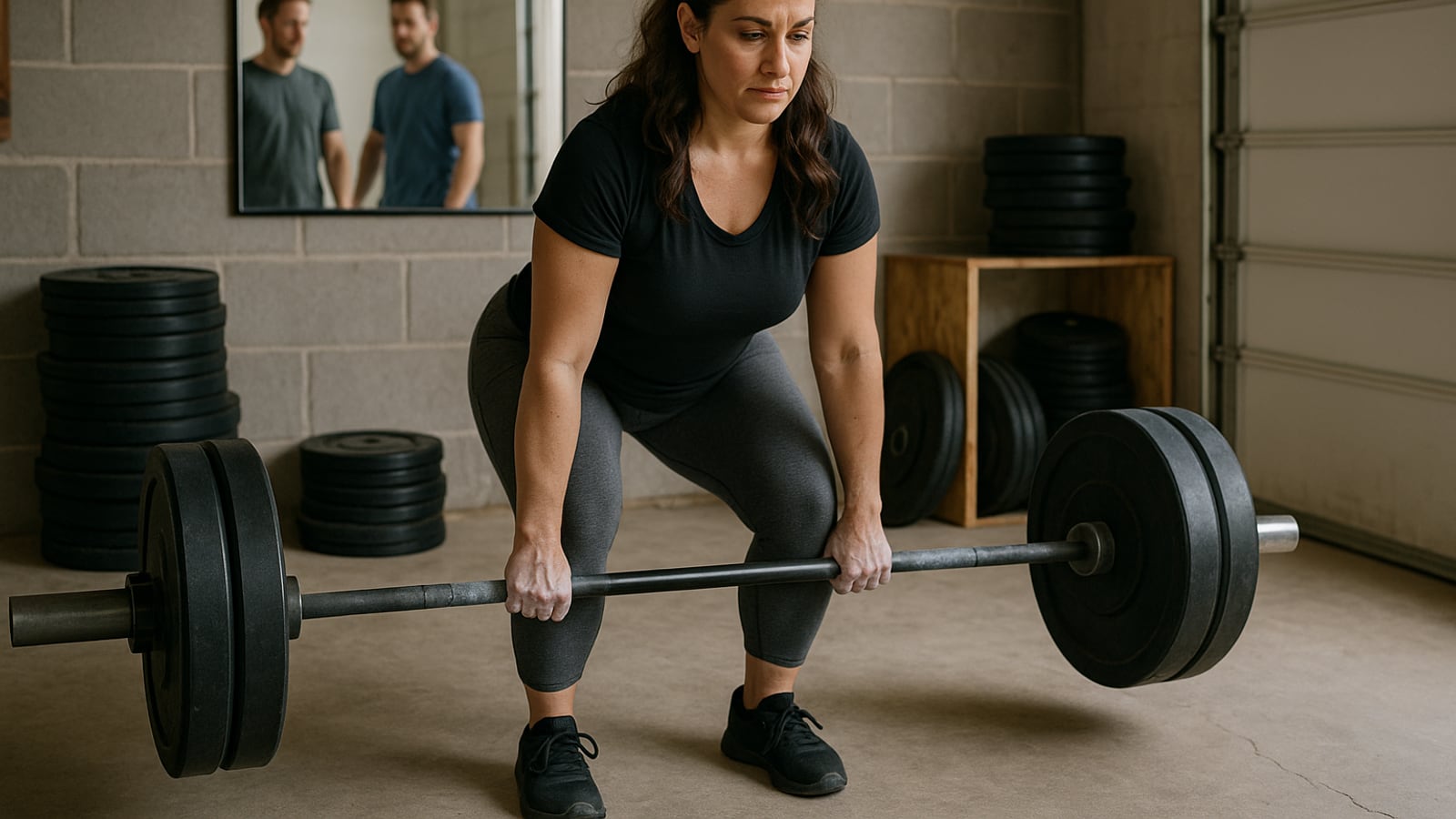
Resistance training. Strength and muscle mass decline with age, and that decline is what turns a fall at seventy into a hip fracture and a lost decade. Lifting is the only intervention that reliably pushes back on it. Public health guidance in the UK and US both call for muscle-strengthening work on at least two days a week, and that guidance isn't aspirational fluff. Two sessions. Compound movements. Load that actually challenges you.
Cardiovascular fitness. The standard guideline is around 150 minutes of moderate activity a week, or roughly half that if it's vigorous. Cardiorespiratory fitness is one of the strongest markers we have for how long and how well people live. You don't need a heart rate strap and a training plan. You need to be regularly out of breath.
Sleep. Short, broken sleep undermines everything else you're doing, including your appetite regulation and your training recovery. With small children this is partly out of your hands. Protect what you can control: a consistent wake time, less alcohol in the evening, and the phone charging in a different room.
Not smoking, and drinking less. Nothing you can buy will offset either. Health bodies have moved steadily away from the idea that moderate drinking is protective. Less is better, and none is fine.
Sun protection. Most of what people call facial aging is photodamage. Daily sunscreen on your face, neck and the backs of your hands is the single highest-return cosmetic intervention available, and it costs less per year than one bottle of serum. It also reduces skin cancer risk, which matters more.
Blood pressure, cholesterol and blood sugar. Unsexy, silent, and among the biggest determinants of whether you're sharp and mobile at eighty. These need a GP, not an influencer. Get them measured, know your numbers, and follow the advice of the clinician who's actually seen your results.
People. Isolation tracks badly with health outcomes across a lot of research. A marriage you're investing in, friends you actually see, a church or a club or a five-a-side team. This is health infrastructure, not a nice-to-have.
The pile that's plausible but unsettled
Protein intake. Older adults appear to need more protein than younger ones to maintain muscle, and most people under-eat it. Getting a decent serving at each meal is sensible and low-risk. The precise optimal number is genuinely debated, and if you've got kidney issues, ask a doctor or dietitian before you change anything.
Creatine monohydrate. One of the most studied supplements there's, cheap, and with a reasonable safety record in healthy adults. The evidence for strength and muscle benefit is solid. The evidence for cognitive and aging benefits is early and interesting rather than settled.
Omega-3s. Good general nutrition case, mixed results on the big cardiovascular endpoints depending on the trial and the population. Eating oily fish a couple of times a week is a better bet than chasing the perfect capsule.
Cold and heat exposure. Sauna use has some encouraging observational data behind it. Cold plunging has enthusiastic advocates and much thinner evidence. Both are fine if you enjoy them. Neither is buying you a decade.
Time-restricted eating. Works for some people as an appetite management tool. The claims about it flipping longevity switches in humans run far ahead of what's been shown.
Notice the pattern. Everything in this pile is cheap, or free, and hedged honestly.
The pile that's selling hope
NAD+ precursors. NMN and NR are sold hard on the back of animal work and mechanistic stories. Human outcome data is limited. You're funding somebody's marketing budget on the strength of a mouse.
"Biological age" tests. Attractive idea, poor reliability. Take the same test twice and the number can move. Nothing about the result changes what you should do, which is the test of whether a measurement is worth paying for.
Telomere testing. Same problem. Interesting biology, no actionable output.
Full-body MRI screening in healthy people. Sounds prudent. In practice it finds a great many things that were never going to hurt you, and those findings lead to biopsies, follow-up scans, anxiety and cost. Major radiology bodies have been cautious about it for exactly this reason. Screening you should have is the screening your health service already recommends for your age and risk.
Stem cell and peptide clinics. Often offshore, often unregulated, frequently expensive, and in some cases genuinely dangerous. Regulators have issued warnings about this sector repeatedly.
Hormone therapy sold from a website. Testosterone has legitimate medical uses for men with diagnosed deficiency. It's not a general anti-aging product, and a clinic whose business model depends on prescribing it to you isn't a neutral party. Same logic applies to hormone treatment marketed to women outside of proper clinical assessment. See a doctor who isn't selling the drug.
Twelve-supplement stacks. The more bottles a protocol involves, the less anyone knows about what the combination does.
What this looks like on a Tuesday
You've got a job and children. So the plan has to survive a week where nothing goes to plan.
- Two lifting sessions a week, 40 minutes each. Squat or leg press, a push, a pull, a hinge, a carry. Add weight when you can. That's the whole program.
- Walk or cycle where you'd normally drive. This is where most of your cardio minutes will actually come from. Stairs count.
- One hard effort a week if you can find it. A hill, a rower, a game of something. Short and genuinely uncomfortable.
- Protein at breakfast, because that's the meal where most people get almost none.
- Sunscreen with your teeth brushing. It only sticks if it's attached to a habit you already have.
- One GP appointment a year for the numbers you can't feel.
Total annual cost: a gym membership, a tub of creatine, and sunscreen.
Where to put the money instead
If you've got a few hundred pounds a year earmarked for longevity, spend it on shoes you'll actually walk in, a gym that's close enough that you'll go, and dental care. Teeth are a real health issue people defer because the cost is visible and the consequence isn't. Not a supplement.
And then accept the part nobody sells, because there's no margin in it. You can do all of this well and still get unlucky. The point isn't to cheat the ending. It's to be the sort of man or woman who can still lift their grandchildren, walk the dog in February, and be genuinely useful to the people who depend on them, for as many years as they're given.
That's the return. Not a lower number on a test nobody can validate.
If you're taking medication, managing a condition, or thinking about changing anything above in a meaningful way, talk to your GP or a registered dietitian first. General guidance isn't a substitute for someone who knows your history.
Cal Brennan
Fitness
Strength coach. Trains fathers, tradesmen and desk workers, which means programmes that survive a bad week.

Watch
Worth an hour of your evening
More from Fitness.
From channels we rate. Plays on YouTube.
Read next