
What vaping does to you, and how to quit if you've started
Nicotine is a lousy boss. Here's what it's doing to your body, your sleep and your mood, and a plan that actually gets you off it.
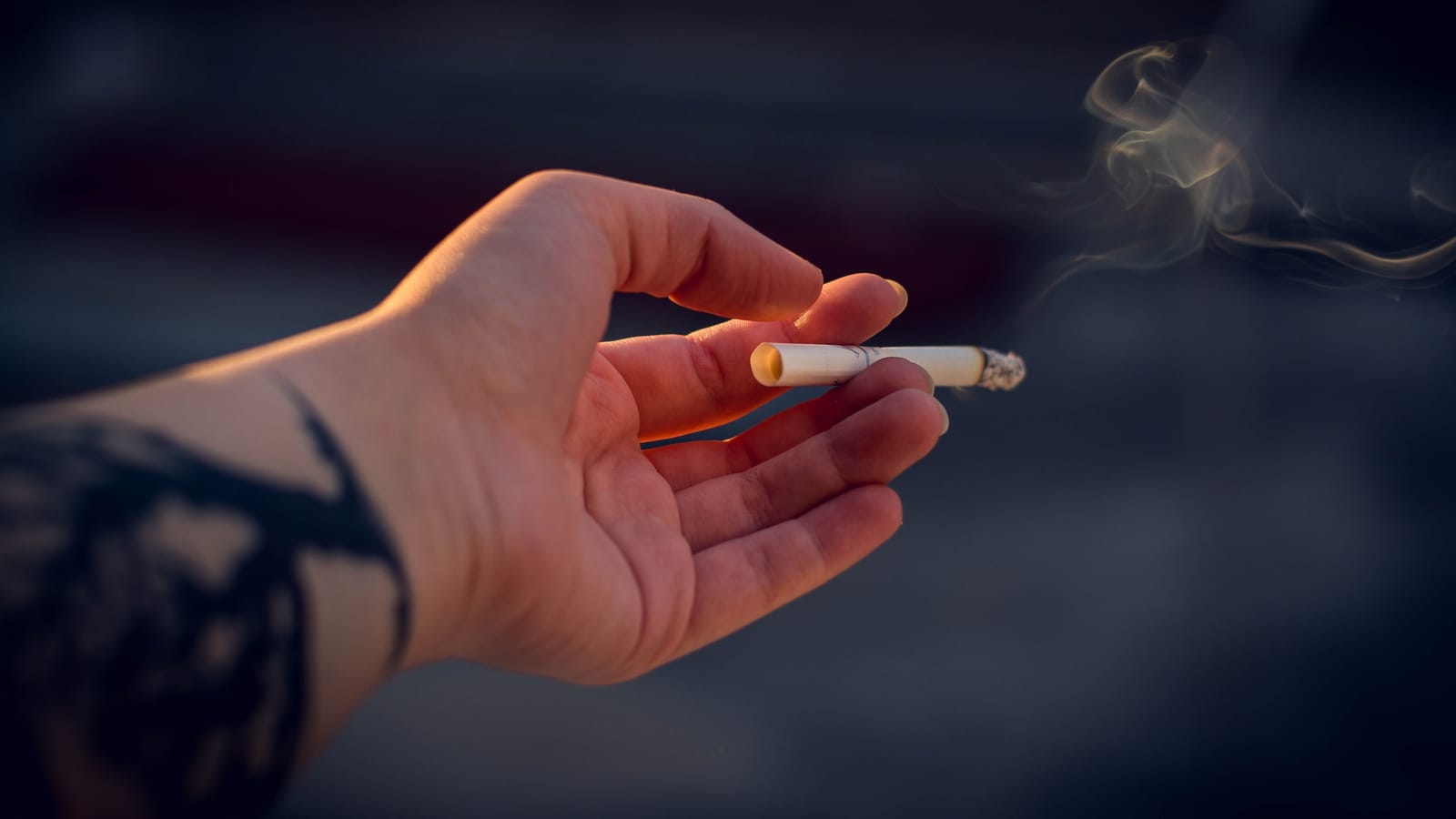
The tell isn't the smell. It's the timing.
Watch someone who vapes and you'll notice their day has a shape they didn't choose. Between third and fourth period, always. In the car before practice. Fifteen minutes into a sleepover, they get twitchy and suddenly need the bathroom. That's not a habit. That's a schedule somebody else wrote for them, and they're following it.
If that's you, keep reading. Nobody's going to lecture you. But you should know exactly what you're dealing with, because the stuff sold to you as "just flavored air" is a chemical that reorganizes how your brain handles stress, and it does that faster at your age than it would at thirty.
Nicotine is the whole point, and it's very good at its job
Everything else about a vape is packaging. The mango, the mint, the little light, the sleek shape that fits a jacket pocket. The active ingredient is nicotine, and nicotine is one of the most addictive substances people have ever put in a product.
It works by hijacking the part of your brain that hands out the feeling of ahh, that's better. Normally that system rewards real things. Finishing something hard. Laughing with your friends. Eating when you're hungry. Nicotine walks in and pulls the lever directly, over and over, hundreds of times a day if you're a regular user, which is far more often than a cigarette smoker ever got.
Your brain adapts. It builds more receptors so it can handle the flood. And the second you're not vaping, those receptors sit there empty and unhappy, and that feeling has a name you'll recognize: anxiety.
This is the part nobody explains. Most girls who vape will tell you it calms them down. It does. It calms down the withdrawal that the last vape caused. You're not treating stress. You're treating the gap between hits, and the gap gets shorter every month.
What it's doing to the rest of you
Your brain is still under construction until your mid-twenties, and the last areas to finish are the ones handling focus, impulse control and mood regulation. Nicotine interferes with that wiring while it's being laid. It also makes future addictions of every kind easier to form, because you've taught the reward system that there's a shortcut.
The physical stuff shows up sooner than you'd think:
- Your heart rate and blood pressure go up with every session. If you play a sport, you may already have noticed you're gassing out sooner in the third quarter and blaming your conditioning.
- The aerosol isn't water vapor. It's ultrafine particles that carry flavoring chemicals and traces of metal from the heating coil straight past your throat and into the smallest branches of your lungs. Lungs don't have a good way to clear that.
- Throat and mouth irritation, dry mouth, sore gums. Constant dry mouth means less saliva, and saliva is what protects your teeth. Dentists see it.
- Sleep gets worse. Nicotine is a stimulant. It also wakes people up in the night when levels drop, which is why some people keep a device on the nightstand without ever consciously deciding to.
And in 2019 there was a wave of severe lung injuries in the U.S. tied to vaping, mostly to black-market THC cartridges cut with vitamin E acetate. Young, healthy people ended up on oxygen. The lesson wasn't only about one additive. It's that nobody at the top of that supply chain has any obligation to you, and anything bought from a person at school has passed through hands you can't see.
The money, since nobody brings it up
Do this with an actual calculator, not in your head, because in your head it's always smaller.
Price of one pod or one disposable. Times how many you go through in a month. Times twelve. Write the number down. That's your yearly figure, and for most people who vape daily it's somewhere north of a decent pair of boots plus a phone, and it rises, because tolerance rises.
That number is the one that changes people's minds more than any lung diagram ever has.
How to actually quit
You can do this. The withdrawal is genuinely unpleasant and genuinely short, and knowing the shape of it is most of the battle.
Pick a date in the next seven days. Not "after finals," not "in the new year." Somewhere with a light couple of days after it, ideally a Friday. Write it somewhere you'll see it.
Throw the device away, and the spares. Not in a drawer. Not with a friend "in case." In a trash can, outside, on the day. People who taper by keeping it nearby almost always relapse, because at 2 a.m. on day two, geography is the only thing standing between you and a hit.
Know your triggers before they arrive. Write down the five moments you reach for it most. Car. Bathroom. After eating. Phone in bed. One specific friend. For each one, decide now what replaces it. Gum. A bottle of cold water. Sunflower seeds. Calling your sister. Push-ups against the counter, which sounds ridiculous and works, because a craving is a body event and your body will take the trade.
Understand the clock. A craving peaks in about three to five minutes and then falls off whether you feed it or not. Not thirty minutes. Not all day. Set a timer if you have to and watch it run out. Days two and three are the worst of it. By the end of week one you'll notice the gaps between cravings stretching. By three or four weeks, most people say the physical pull is basically gone and what's left is habit, which is a much easier opponent.
Expect to be irritable, foggy and weirdly emotional. Tell the people around you it's coming so they don't take it personally, and so you have a reason not to snap.
Tell an adult, and pick the right one
A school nurse, your doctor, a coach, your mom. Somebody who can help you rather than just react.
A doctor's office isn't a courtroom. You can walk in and say "I vape and I want to stop" and get real help, including guidance on whether nicotine replacement is appropriate for you, which is a medical call and belongs to a professional, not to the internet. The national quitline, 1-800-QUIT-NOW, is free and connects you to people who coach quitters for a living.
Telling a parent is the one that scares most girls, and it usually goes better than the version you've rehearsed in your head. Try it flat and early: "I need to tell you something and I'm already dealing with it. I've been vaping. I've stopped. I want help not starting again." Leading with the plan changes the whole conversation.
When a friend holds one out
You need one sentence, ready, with no explanation attached. "No thanks, I'm off it." Then change the subject immediately, because the subject change is what ends it.
A real friend drops it after one no. If someone keeps pushing, they're not asking you to share something fun. They're asking you to make them feel better about their own schedule. That's not your job.
If you slip
One hit isn't a failed quit. It's a data point.
Write down where you were, who you were with, what you were feeling twenty minutes before. That's your weak spot, and now you know it. Go straight back to zero the same day. The people who stay quit aren't the ones who never slipped. They're the ones who refused to treat a slip as proof of anything.
Give it a month and something odd happens. Your day goes quiet. No countdown running underneath your classes, no calculating whether the bathroom's empty, no low hum of needing something.
You'll have your afternoons back. You just won't notice at first, because free is supposed to feel like nothing.
Nina Castellan
BRO for Her
Runs the women-facing desk. Same standard, same tools, written for a different reader — not a softer one.

Read next