
GuideDean Shaw6 min
Build Three Kits, Not One Giant Pile of Gear
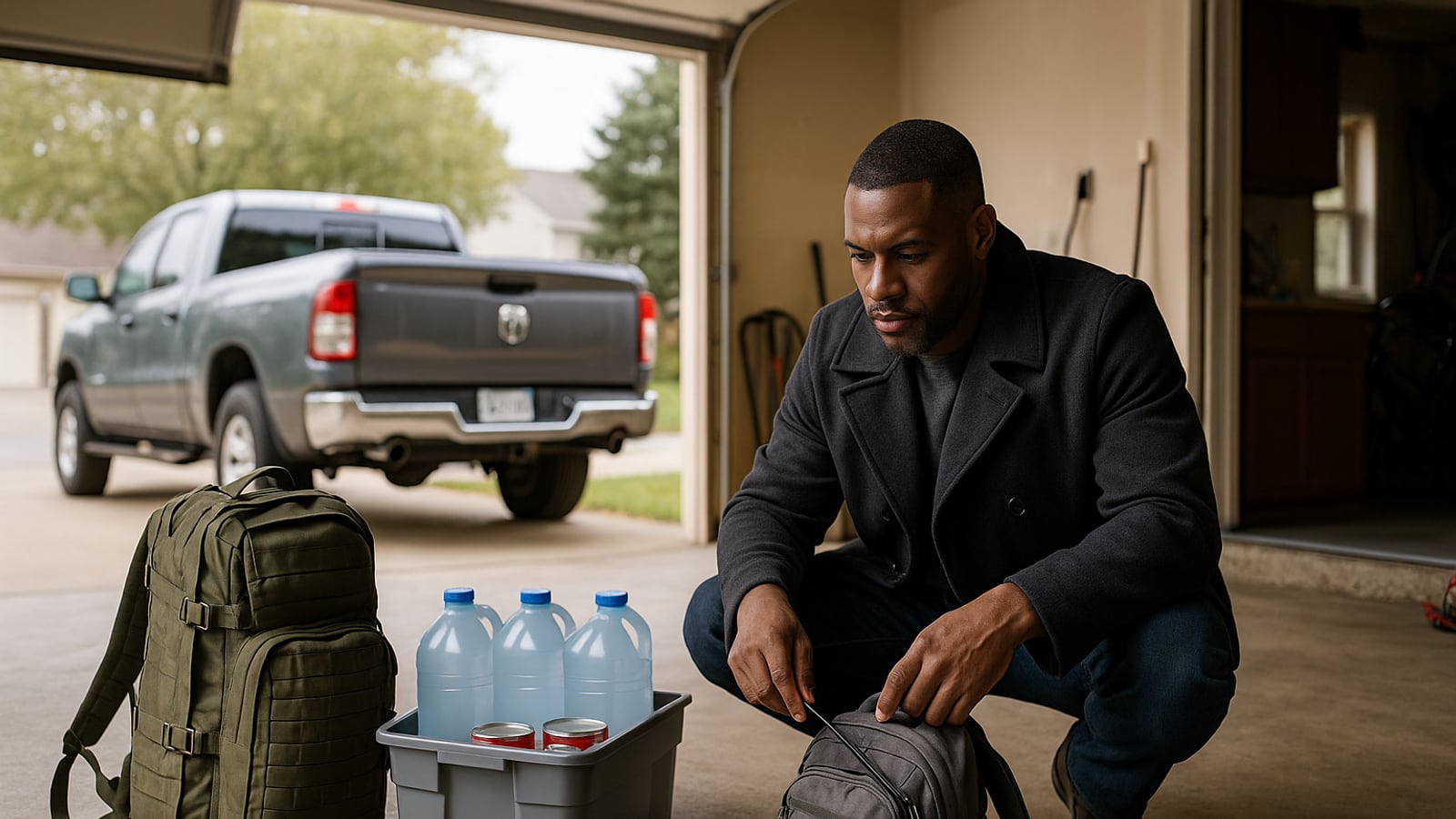
The house holds the weight, the truck holds the redundancy, and the bag holds only what you can actually carry six miles.
Start here
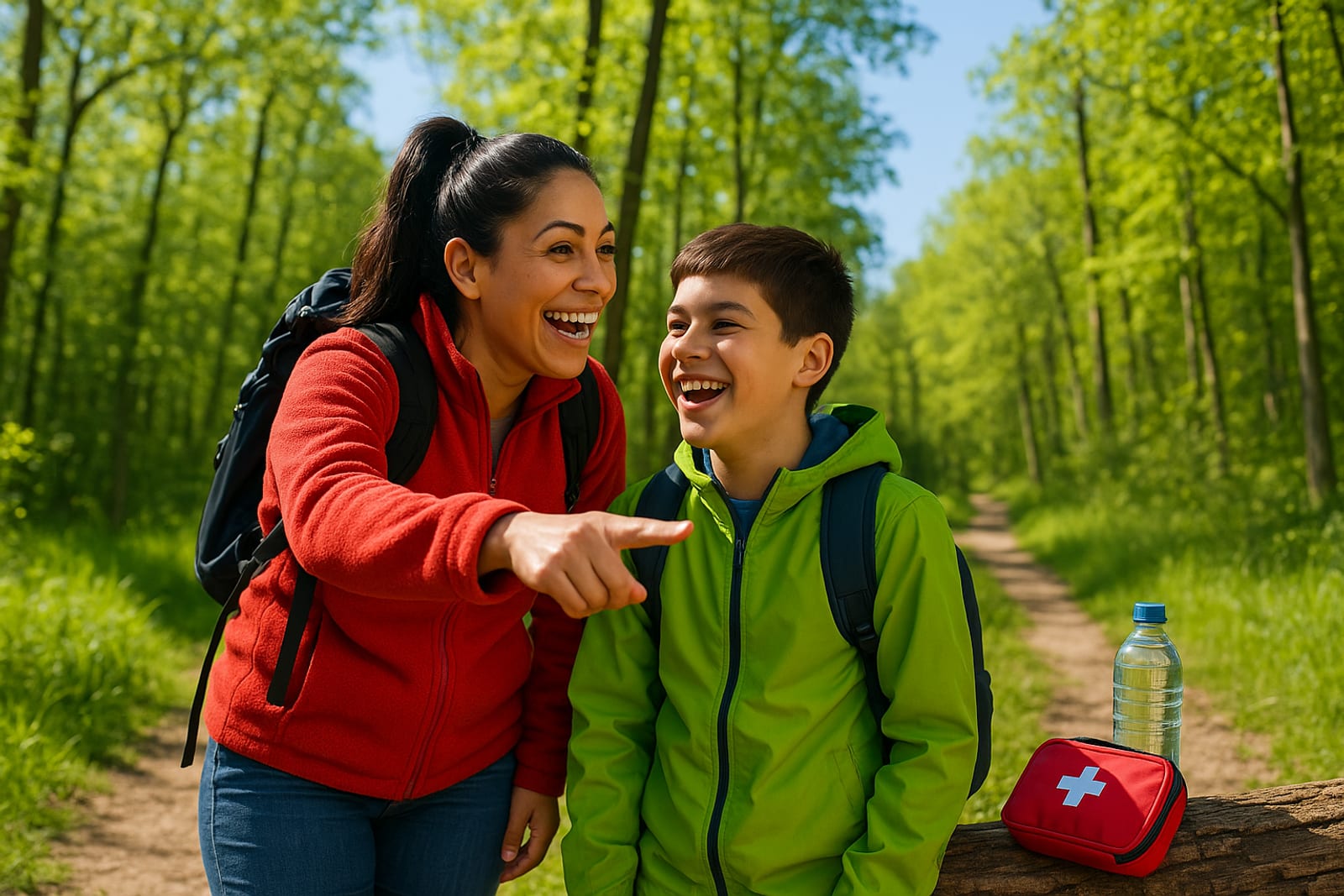
Survival instructors teach a rough rule for putting first things first. It is a priority list, not a stopwatch: people vary, and the weather decides a lot. But it stops you doing the fun thing (building a fire) before the urgent one (stopping the bleeding, getting out of the wind).
3 minutes without air
3 hours without shelter
3 days without water
3 weeks without food
Build it this weekend
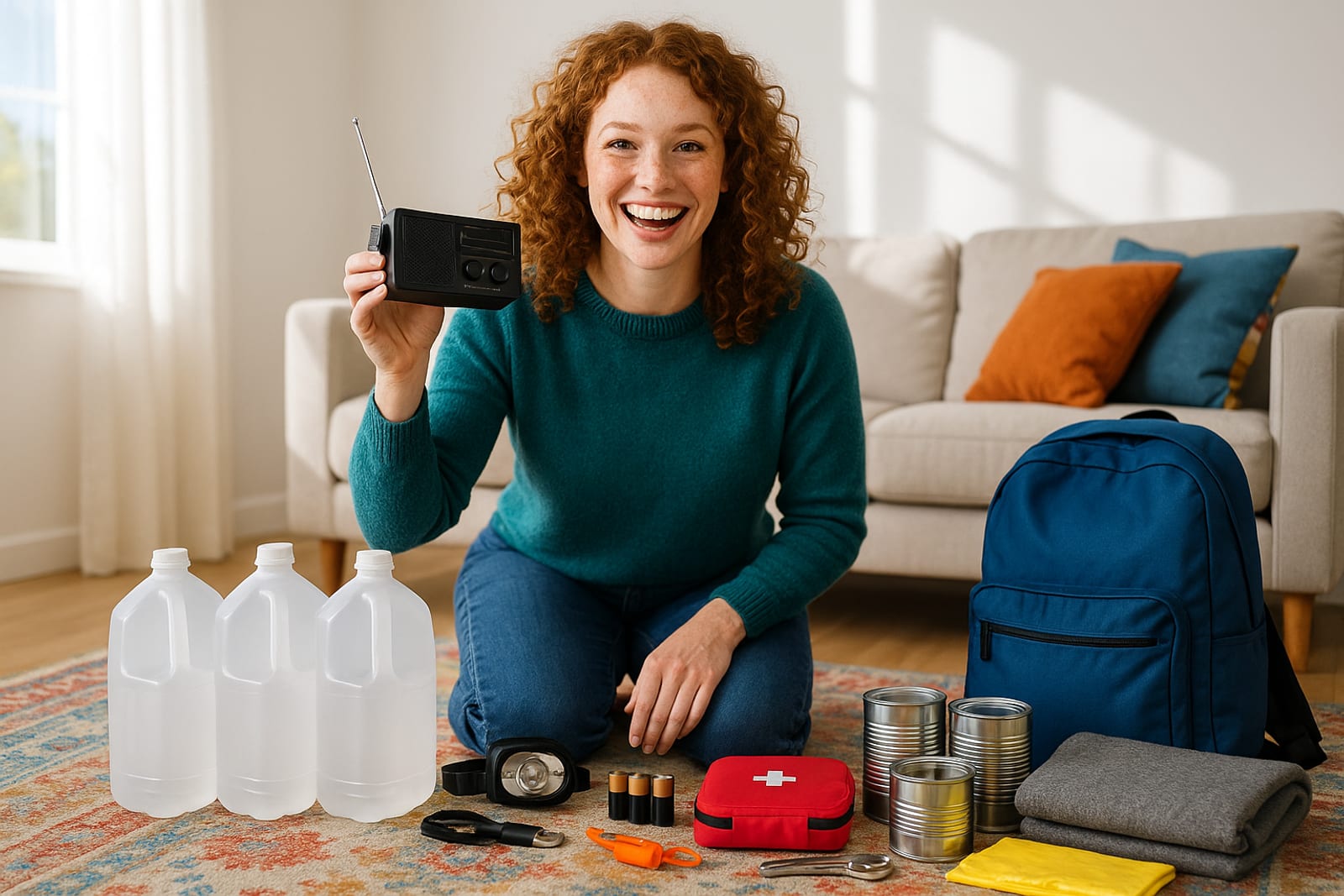
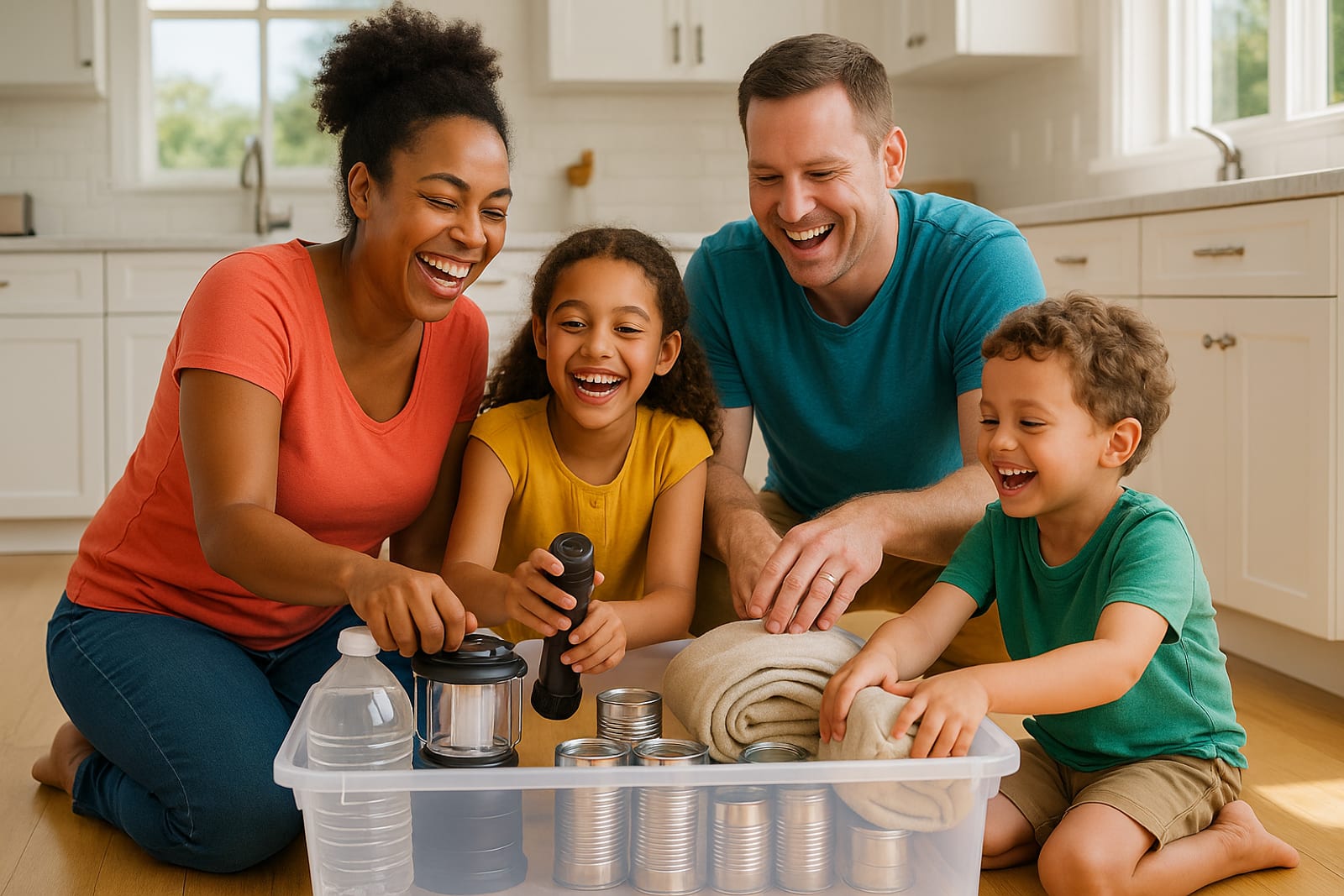
Ready.gov asks every household to be able to look after itself for at least 72 hours, because help can take that long to reach everybody. Two kits cover it: a home kit in a bin by the door for sheltering in place, and a go-bag you can grab in two minutes if you are told to leave.
Tell it who lives with you, your climate and whether you have a car. The list changes to fit, it remembers your ticks on this device, and it prints on its own.
Your ticks are saved in this browser only. Nobody else can see them.
Where to keep them: the home kit in one labelled bin in a cool, dry closet everyone knows. Go-bags by the door or in the car. A small get-home bag at work. Check them twice a year when the clocks change: swap the water and food, test the flashlights, refit the kids’ clothes.
The first supply
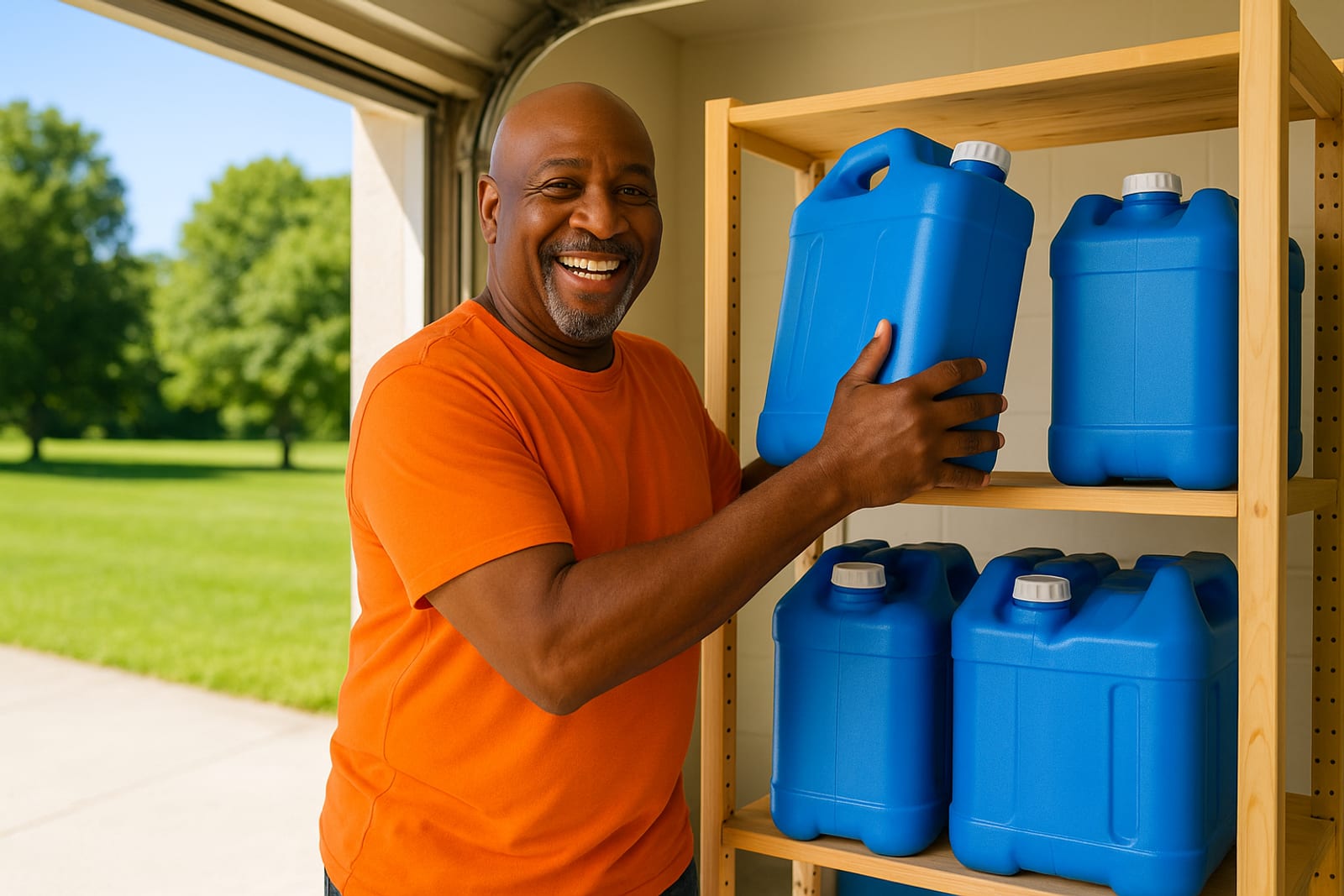
Ready.gov’s figure: 1 gallon per person per day, for at least 3 days, for drinking and a little hygiene. If you can, keep a 14-day supply at home. Nursing mothers, children, sick people and anyone in hot weather need more; very hot weather can double it. Pets need their own. The calculator in the next section does the math.
The CDC’s method, and the most reliable: bring clear water to a rolling boil for 1 minute (3 minutes above 6,500 feet). Let it cool, and store it in clean, covered containers. If it is cloudy, let it settle or filter it through a clean cloth or coffee filter first.
When you cannot boil, the EPA’s emergency method uses plain, unscented liquid household bleach. Not scented, not color-safe, not with added cleaners. Check the label for the percentage of sodium hypochlorite, and if the label gives directions for disinfecting water, follow those.
| Water | 6% bleach | 8.25% bleach |
|---|---|---|
| 1 quart or 1 liter | 2 drops | 2 drops |
| 1 gallon | 8 drops | 6 drops |
| 2 gallons | 16 drops (1/4 teaspoon) | 12 drops (1/8 teaspoon) |
| 4 gallons | 1/3 teaspoon | 1/4 teaspoon |
| 8 gallons | 2/3 teaspoon | 1/2 teaspoon |
A portable filter is excellent for trail water. Most portable filters remove bacteria and parasites but not viruses, so where water might be contaminated by sewage, follow the filter with boiling, bleach or purification tablets. Read the filter’s instructions for what it removes and when to replace it.
Eat what you store, store what you eat
Put in your household and how many days you want to cover. Start with three. Build to two weeks. Then read the calories off the labels on your shelf and see how close you are.
Water
56 gal
about 212 liters
Calories a day
7,000
for 4 people
Calories in total
98,000
add up the labels on your shelf
Planning figures, not a diet: 2,000 calories for an adult, 1,800 for an older adult, 1,500 for a child. Hard work and cold weather burn more. Infants count for water (formula needs it) but plan their feeding separately. Water is one gallon per person per day, the Ready.gov figure.
Warmth, water, morale
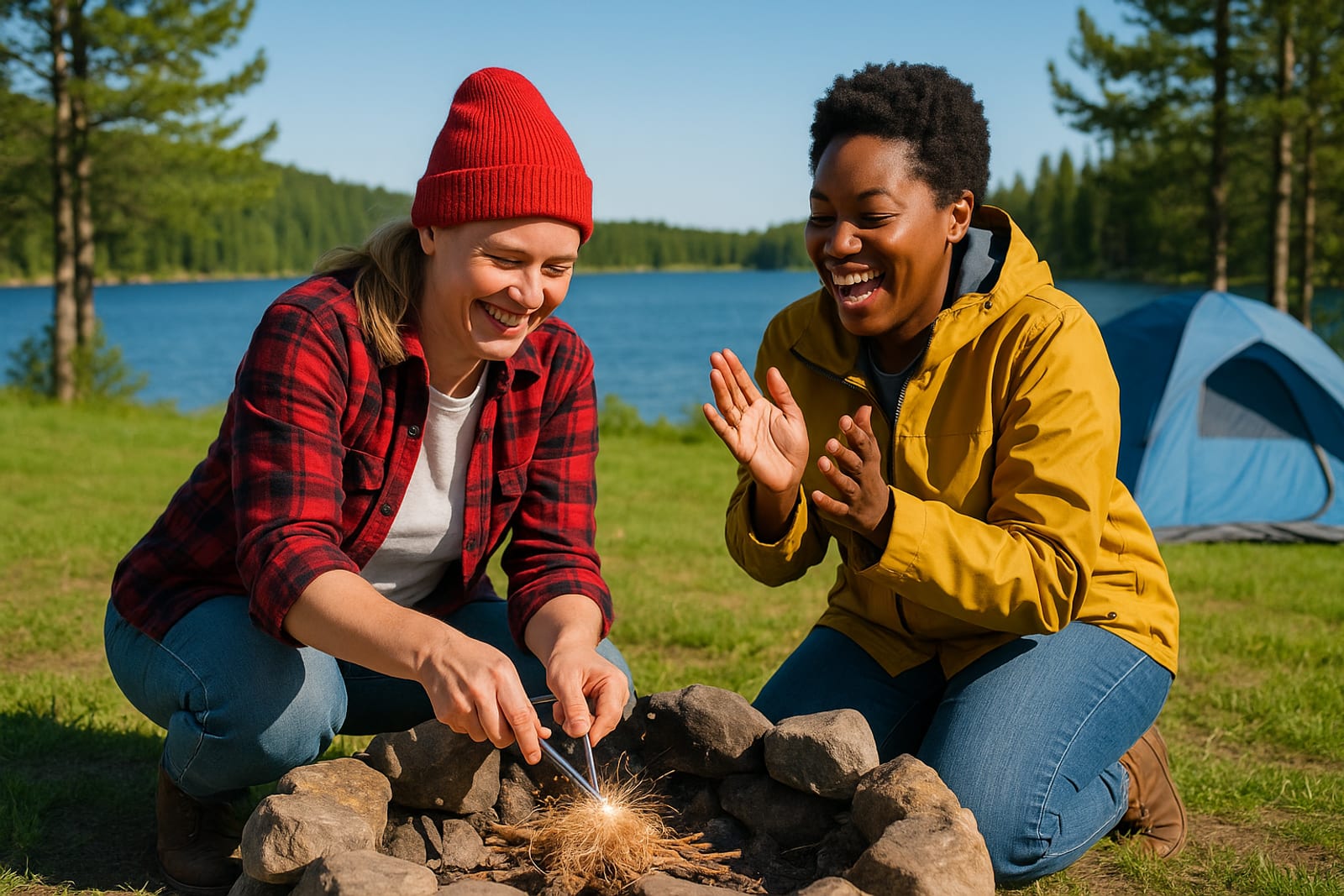
Every fire needs three things: heat, fuel and air. Most failed fires fail on fuel: not enough tiny dry stuff before the bigger stuff. Gather three piles first, each twice as big as you think you need: tinder (dry grass, birch bark, cotton balls with petroleum jelly), kindling (twigs from pencil-lead to pencil thick) and fuel (wrist-thick and up). Dead branches still on the tree are drier than those on the ground.
1. A lighter
2. Matches
3. A ferro rod
4. The sun and a lens
5. Friction (the bow drill)
Wet day?
Out of the wind, off the ground

When the phone dies
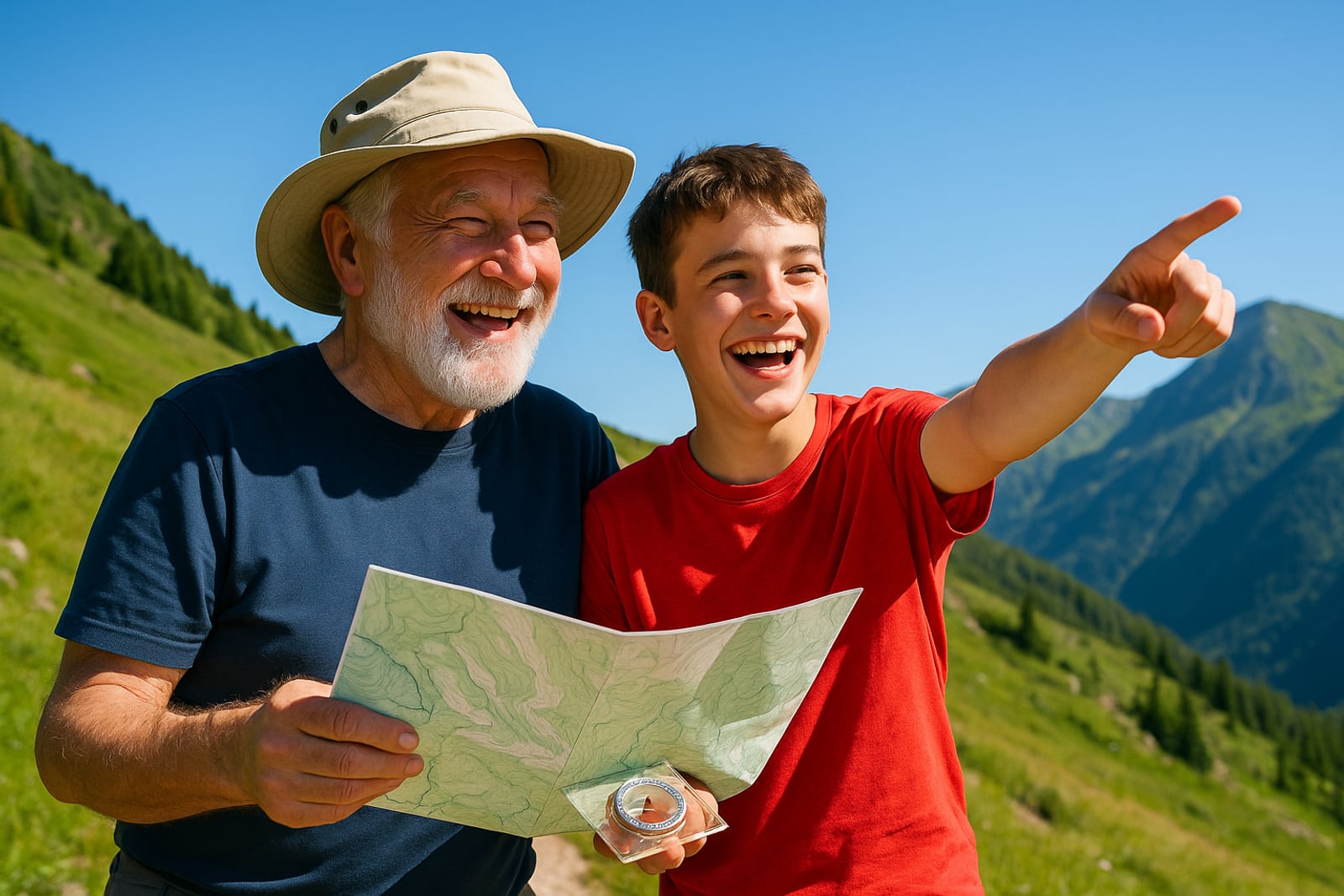
Be seen, be heard
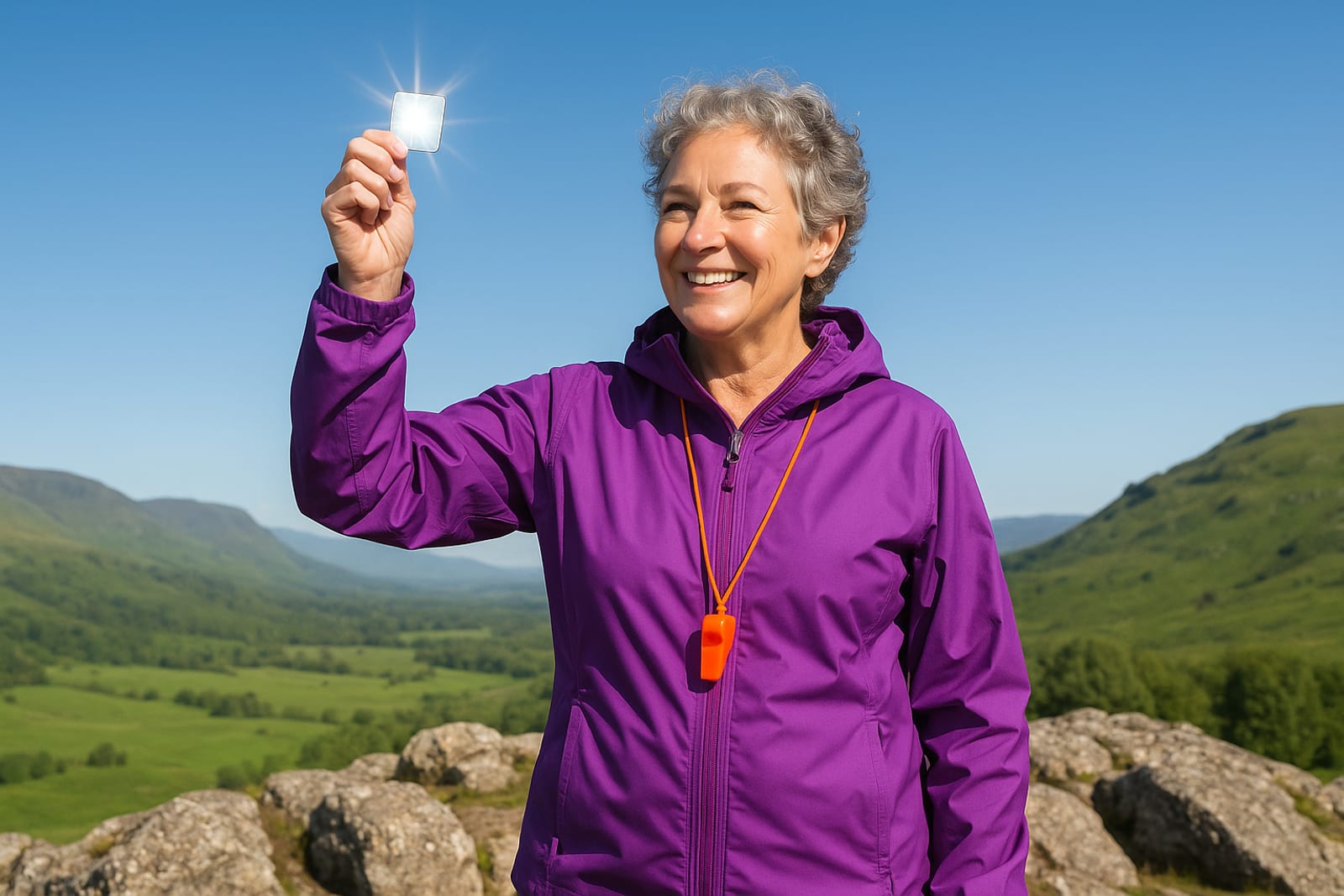
A whistle
A signal mirror
Color and contrast
Smoke and fire
Your phone
A beacon
Six knots cover almost everything
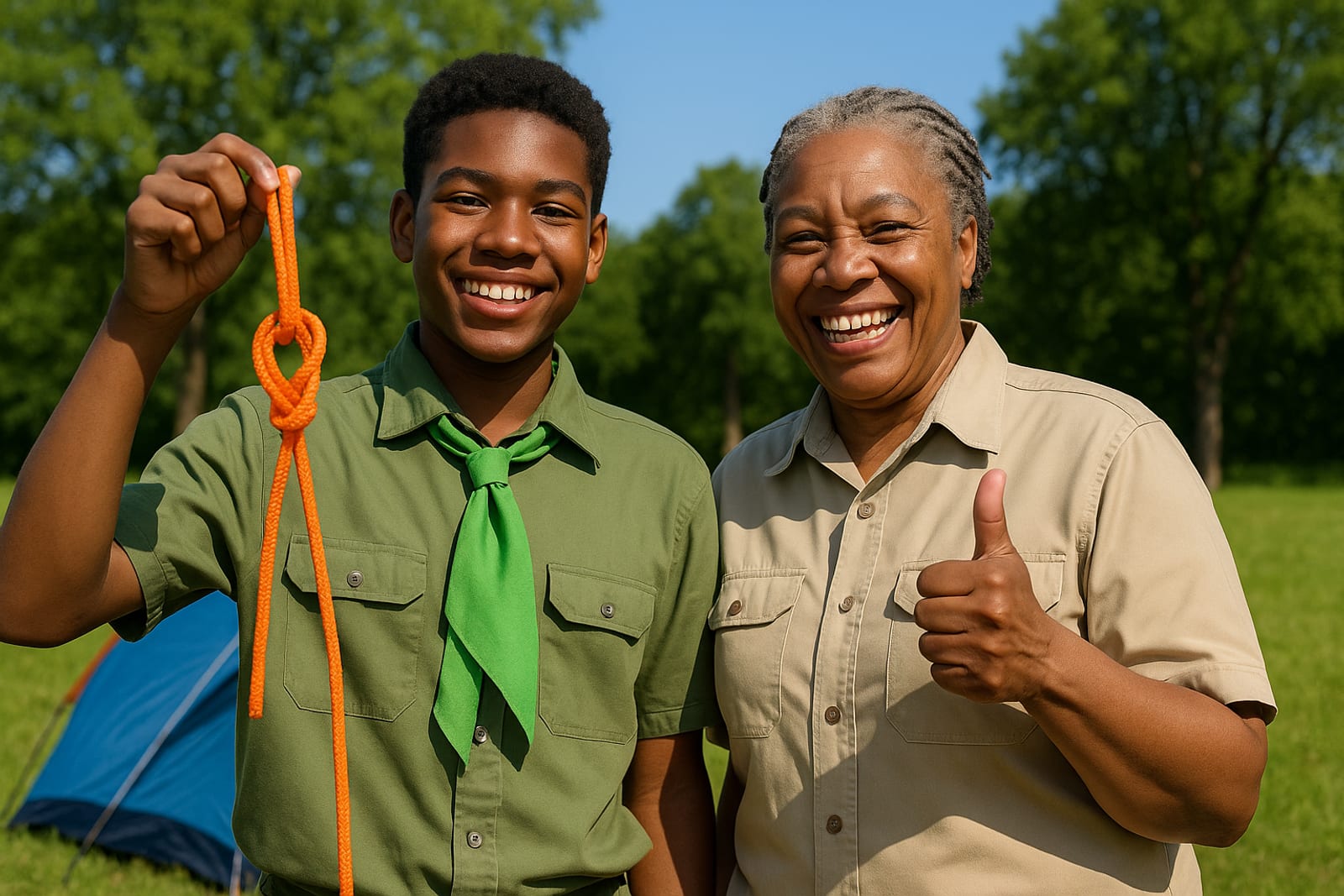
Bowline
Clove hitch
Taut-line hitch
Two half hitches
Trucker’s hitch
Square knot
Learn each one with your eyes closed. The day you need it, it may be dark, cold or wet.
Get trained. Seriously.
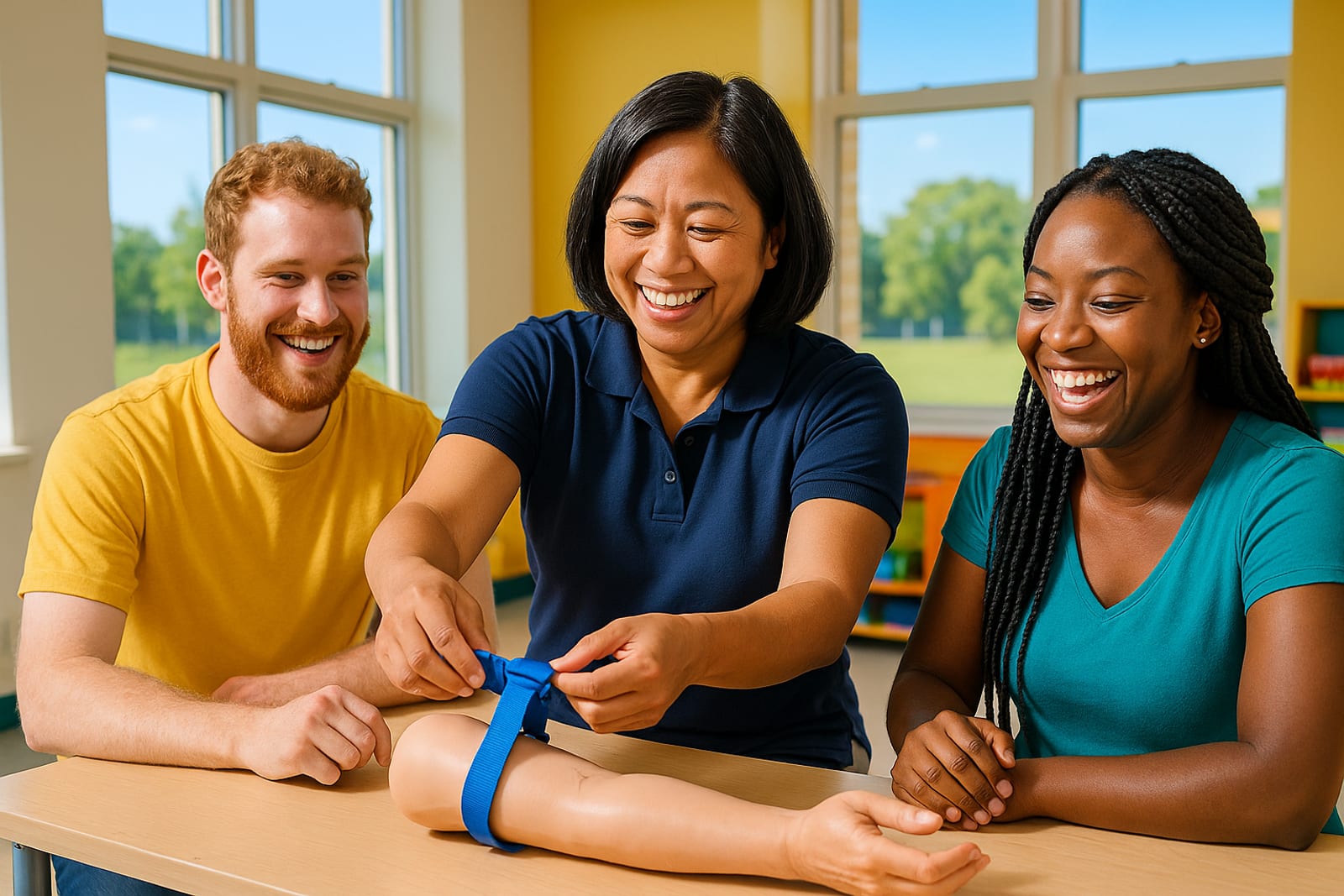
Reading is not training. A weekend class teaches the hands-on part that no page can, and it is the best preparedness investment your family will make. The American Red Cross teaches first aid, CPR and AED use; Stop the Bleed teaches bleeding control, often free, in about an hour. What follows is what those classes teach, as a reminder, not a replacement.
The weather is the real danger

Signs (CDC): shivering, exhaustion, confusion, fumbling hands, memory loss, slurred speech, drowsiness. In babies: bright red, cold skin and very low energy.
Heat exhaustion: heavy sweating, cold, pale, clammy skin, a fast weak pulse, nausea, cramps, dizziness, headache. Move somewhere cool, loosen clothes, cool wet cloths, sip water. Get medical help if they vomit, get worse, or it lasts over an hour.
Heat stroke is an emergency: a very high body temperature, hot, red, dry or damp skin, a fast strong pulse, confusion or passing out. Call 911, move them somewhere cooler and cool them with cool cloths or a cool bath. Do not give them anything to drink.
Where most emergencies happen
Your ticks are saved in this browser only. Nobody else can see them.
Half a tank, always
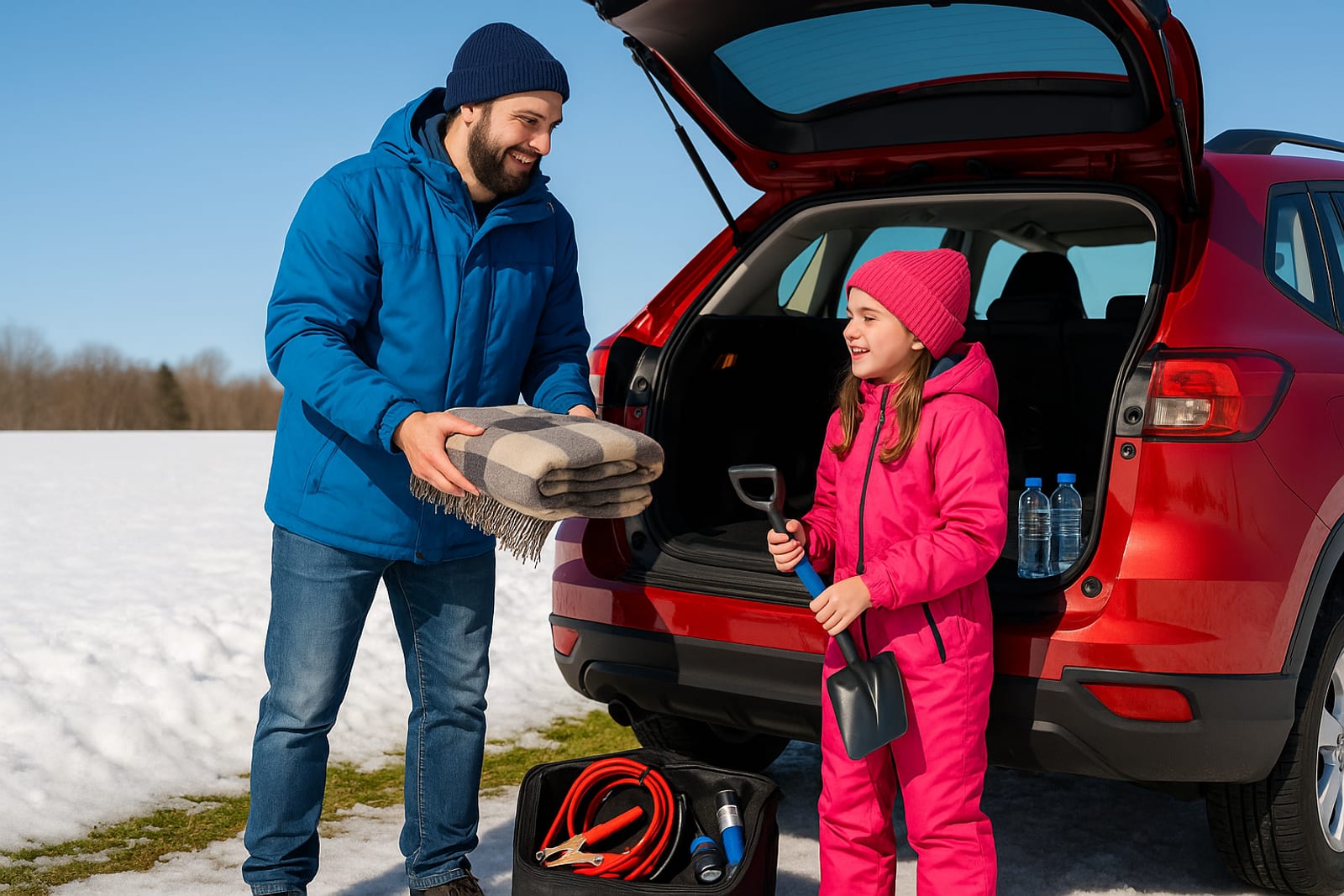
The first hour decides everything
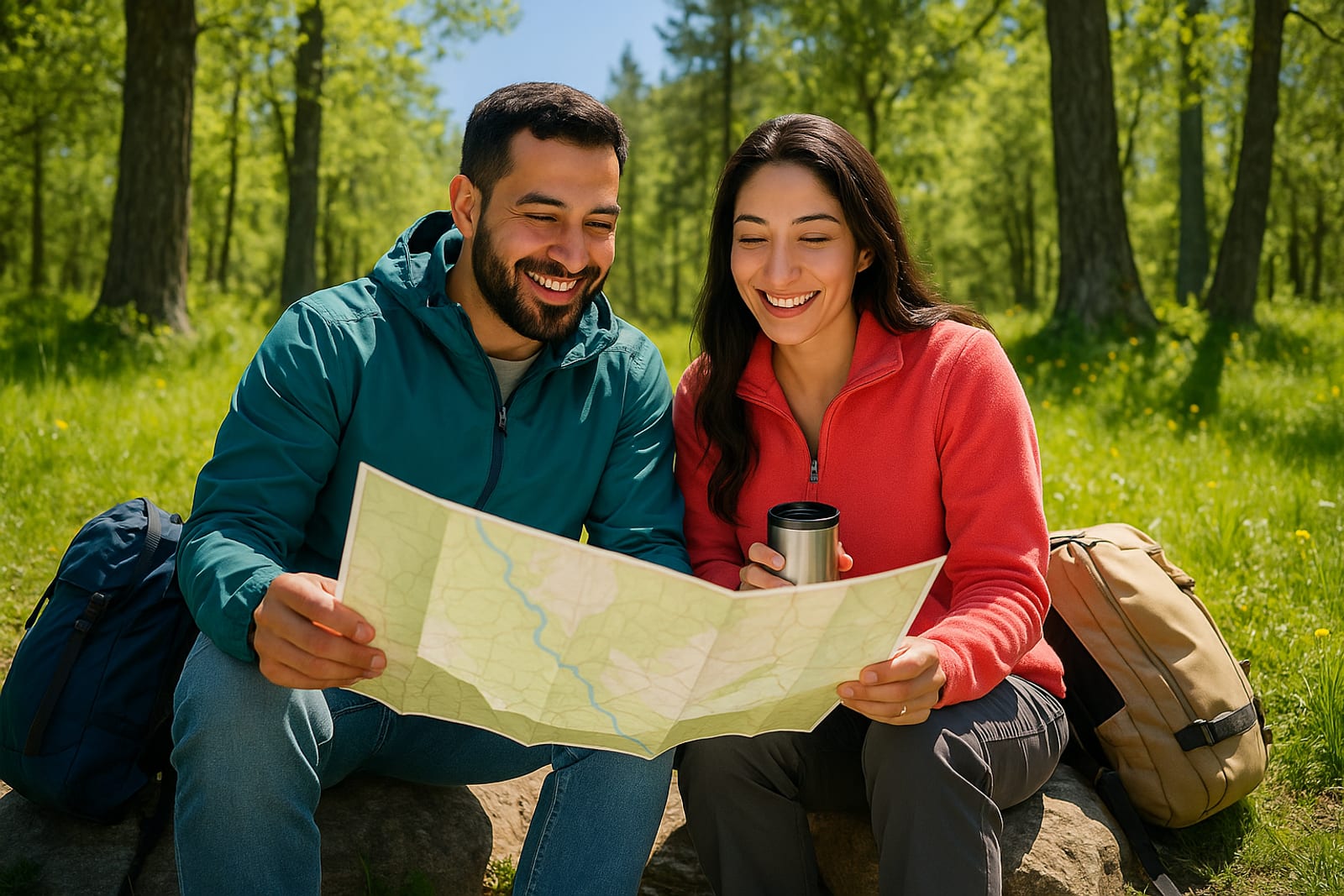
S: Stop
T: Think
O: Observe
P: Plan
Fill it in together tonight
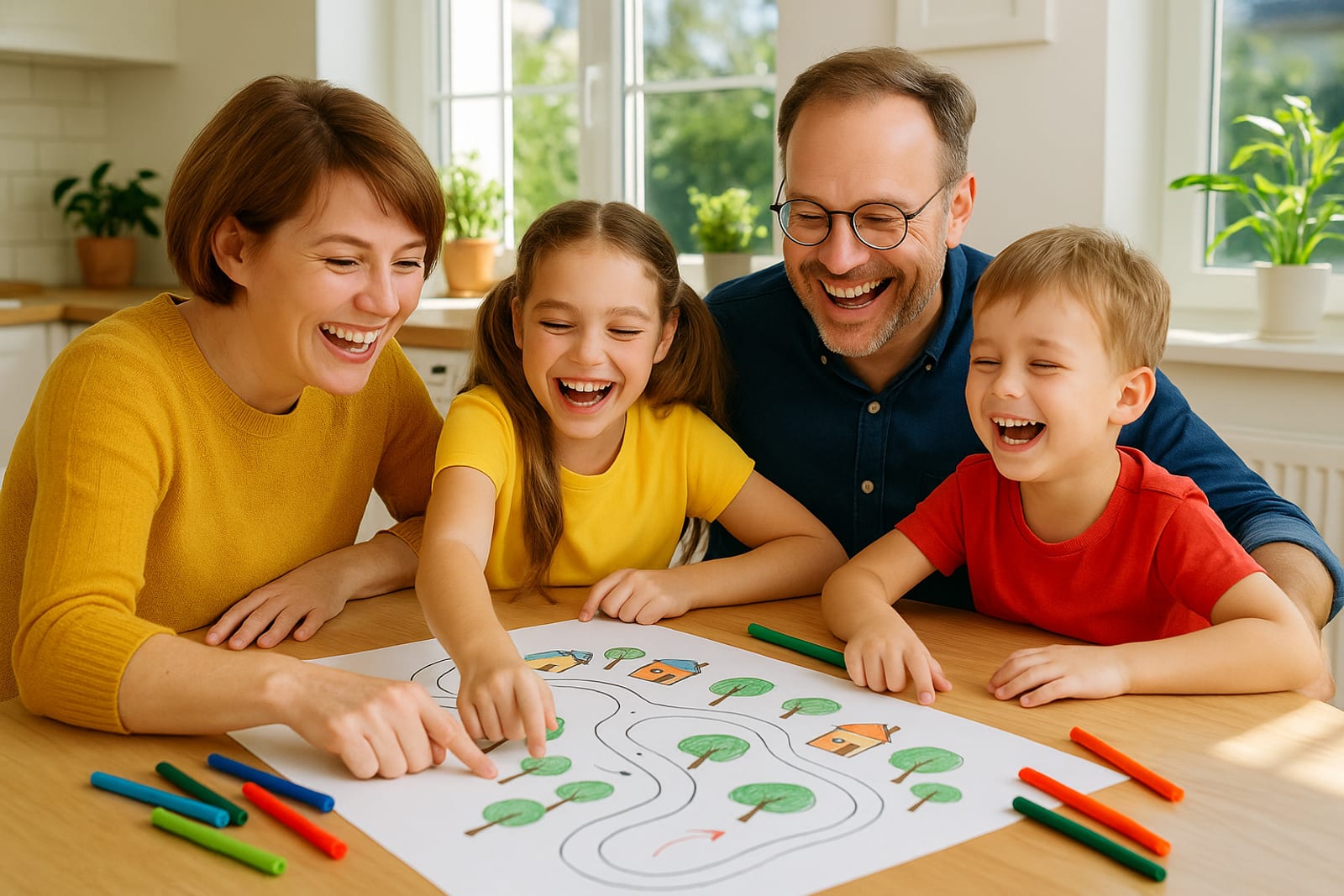
The plan is what gets a family back together when phones are down and everybody is somewhere different. Fill it in at the kitchen table with everyone, print copies, and walk the meeting places once so the kids know them.
0 of 11 filled in
What you type is saved in this browser only. Nobody else can see it, and it is never sent to BRO. Print a copy for the fridge, each car and each child’s school bag.
Calm and age-appropriate
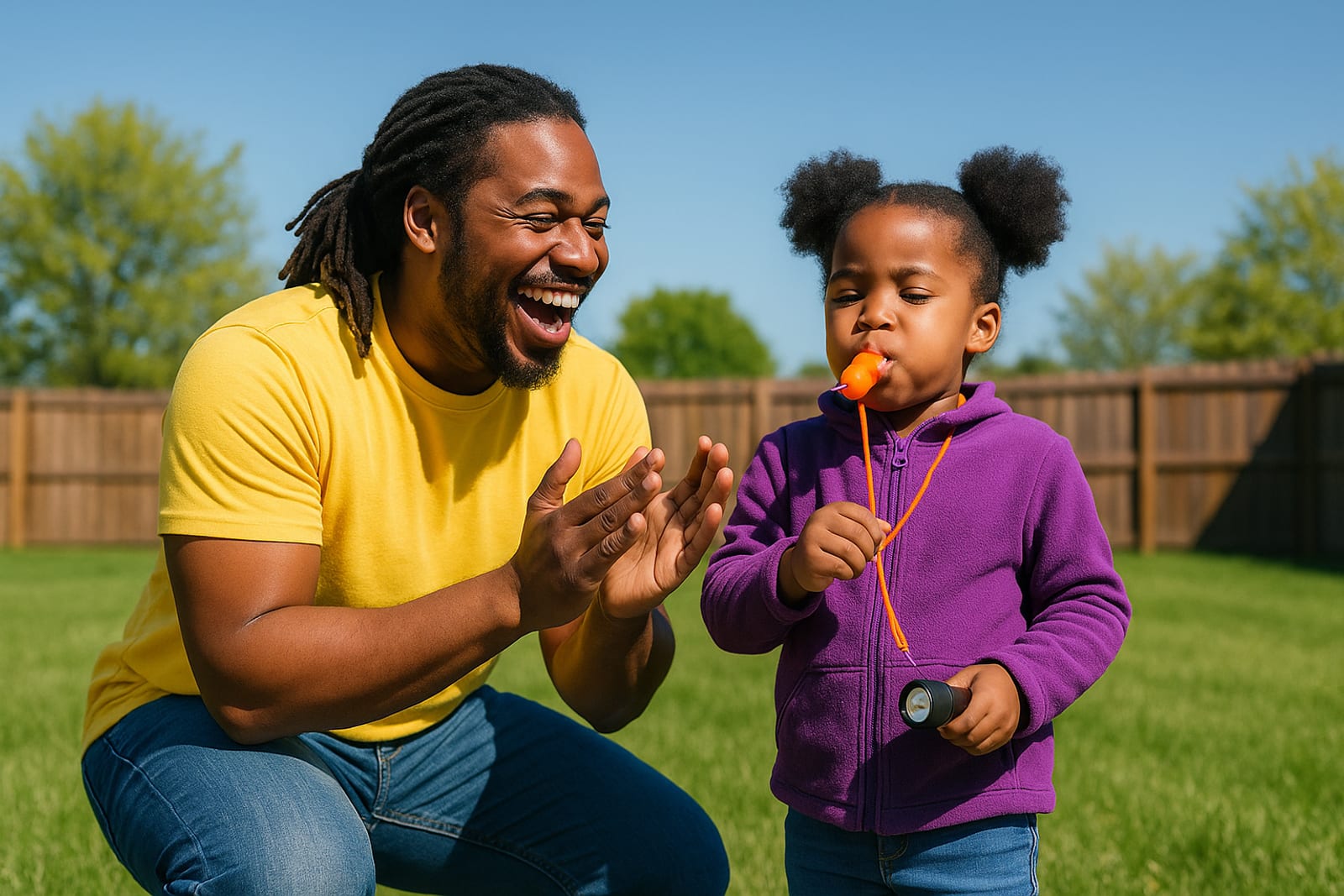
Kids handle emergencies better when they have a job and a plan. Keep it practical and matter-of-fact, like teaching them to cross the road. Practice turns fear into confidence.
Ages 3 to 5
Ages 6 to 9
Ages 10 to 13
Teens
Nobody gets through it alone
Buy once, not twice
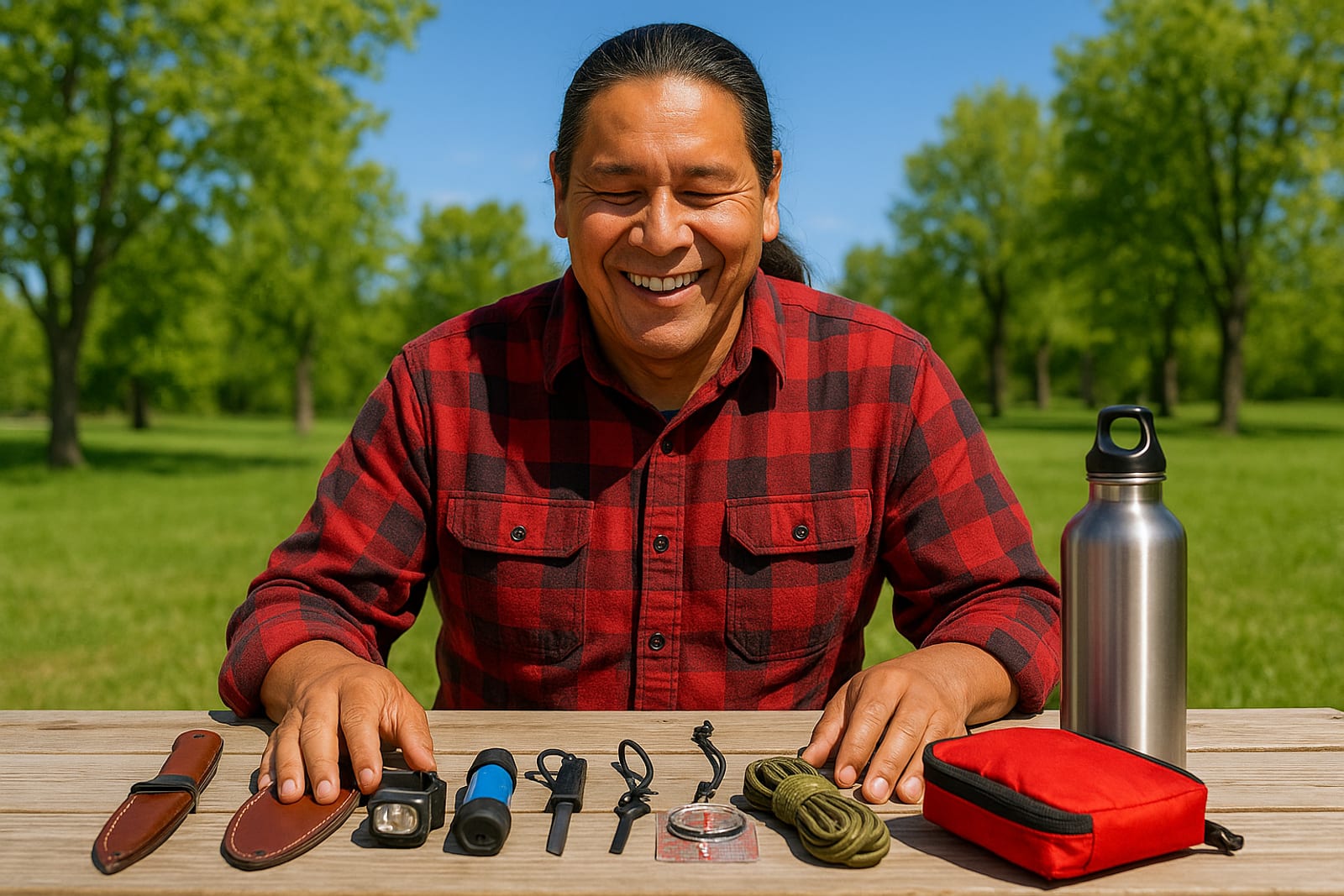
Good preparedness gear is mostly boring and simple. Buy categories, not hype, and buy the version you would trust your family’s night with. We don’t test gear and won’t pretend to: this is what to look for, and the questions to ask. Check the current price where you buy.
Water treatment
Light
Radio
Fire
A fixed-blade knife and a multi-tool
First aid
Shelter and warmth
Navigation
Power
Containers
Where the numbers come from
Every figure on this page that keeps someone safe comes from the agency that publishes it. Guidance gets updated, so check the source before a big decision, and follow local emergency officials first in a real emergency.
From the Survival section
The house holds the weight, the truck holds the redundancy, and the bag holds only what you can actually carry six miles.
Build a kit around what kills you fastest, not around what looks good in a tin. Real items, rough prices, and the stuff that belongs in the trash.
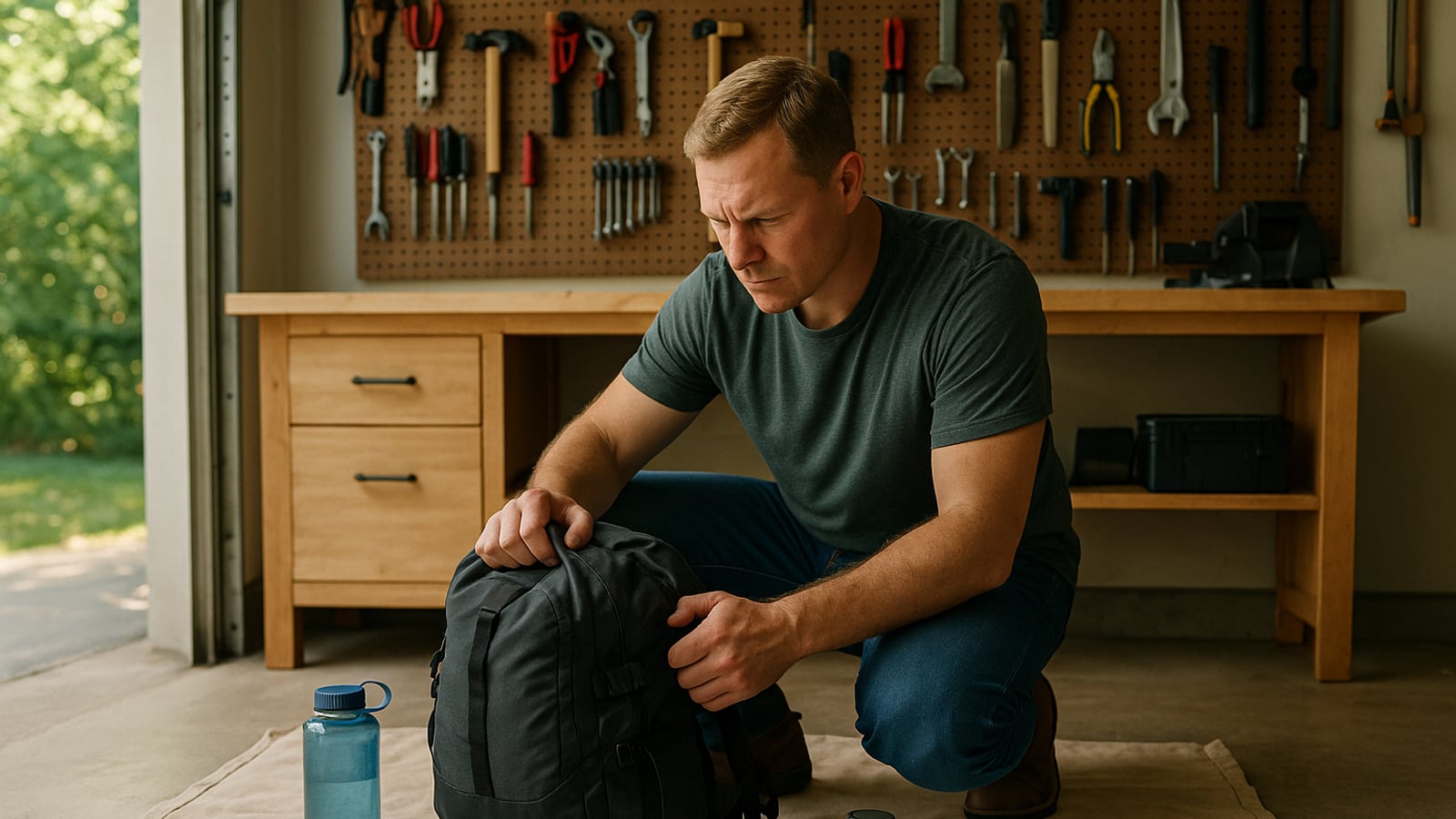
Most bags fail at the same three points. Here's what to carry, what to cut, and what it costs to get it right the first time.

A single-shot rimfire, twenty rounds, and a locked cabinet will teach a boy more about being a man than any lecture you've got in you.

Six seconds, forty yards, one hand, bad light. The actual cases don't look like the range, and that's the whole lesson.
Most people buy the cheapest tier and never open the member agreement. The clauses that decide your case are all in the part nobody reads.