Run a trafficking awareness night that actually changes something
Ninety minutes, a borrowed room, and forty people who stay for the questions will do more good than a packed sanctuary that leaves scared and does nothing.
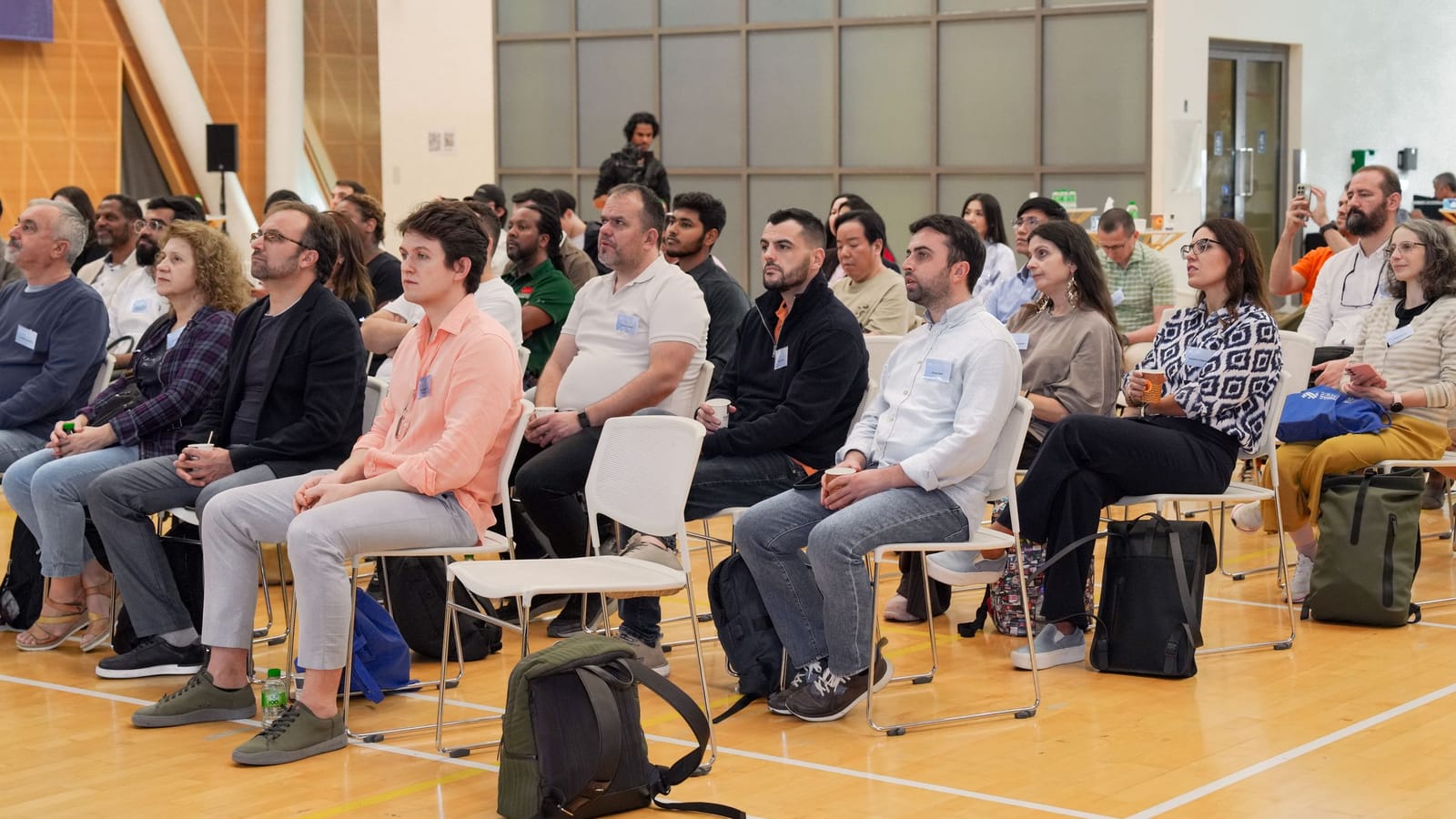
Book a weeknight in January, block out ninety minutes, and set your goal at forty adults who stay through the Q&A. Not two hundred who file out at the sound of the last slide.
January works because it's National Human Trafficking Prevention Month in the United States, with National Human Trafficking Awareness Day on January 11. That means agencies are already doing outreach, free materials are already printed, and a local speaker is more likely to say yes. But any month beats the month you keep meaning to get to.
The mistake almost everybody makes is building the evening around fear. You show the scary slides, everyone drives home rattled, and thirty days later not one parent has changed a privacy setting or written down a hotline number. A good awareness night is judged by what people do on Thursday, not how they felt on Tuesday.
Decide what the night is for before you invite anyone
Pick one outcome and say it out loud in the first three minutes. Something like: by the end of tonight, every adult in this room can name three realistic recruitment patterns, knows the two phone numbers, and has one thing to change at home this week.
Write that on the flyer. It tells people they're getting a working session, not ninety minutes of dread.
Separate your audiences, too. Adults in the main room. Teens, if you include them, in a different room with different content, taught by someone who works with that age group. Material written for parents isn't material for eighth graders, and mixing the two gets you a room full of squirming kids and adults who won't ask real questions in front of them.
Build the run of show on paper
An agenda with clock times keeps a well-meaning speaker from eating the whole evening.
- 6:55 — Doors, coffee, name tags. Cards with the hotline numbers on every chair.
- 7:00 — Host opens. Three minutes. State the purpose and the ground rules: nothing graphic, no case details, questions welcome.
- 7:05 — What the law actually says. Ten minutes.
- 7:15 — How recruitment actually happens. Twenty minutes.
- 7:35 — The device conversation. Fifteen minutes.
- 7:50 — What to do if you're worried about a specific kid. Ten minutes, numbers on the screen the whole time.
- 8:00 — Q&A. Twenty minutes, and protect it. This is the best part of the night.
- 8:20 — The ask and sign-ups.
- 8:30 — Done. End on time. People trust an organization that ends on time.
Get the legal definition right in the first ten minutes
Under U.S. federal law, human trafficking involves compelling someone into labor or commercial sex through force, fraud, or coercion. For a minor under 18 induced into commercial sex, no proof of force, fraud, or coercion is required. That child is a victim, full stop. The Department of Justice and the Department of Homeland Security both state this plainly in their public materials, and it's the single most useful thing most attendees will learn all night.
It matters because it kills the "but she went along with it" instinct before it starts.
Correct the myths calmly, then move on
Don't spend twenty minutes on viral rumors. Spend four.
The image most people carry is a stranger and a van in a parking lot. What the National Center for Missing & Exploited Children, the DHS Blue Campaign, and Polaris consistently describe in their public education is different: children are most often recruited by someone they already know or someone they met online. A boyfriend. An older "friend." A relative. A stranger in a game chat who started out generous and patient.
Say it without a number if you don't have a sourced one. "Here's the pattern the agencies describe" is honest. An invented percentage is the fastest way to lose the one skeptical dad in the room, and he's the guy you most need.
While you're there, cover sextortion. The FBI and NCMEC have both issued public warnings about financially motivated sextortion targeting teenagers, especially teenage boys, where the threat is money and the pressure is immediate. Parents who think this topic is only about daughters need to hear that.
Vet your speaker like you'd vet a contractor
The best speakers are boring in the right way: a victim services specialist from your FBI field office, a detective from a state or regional human trafficking task force, a case manager from an established service provider, a school resource officer who handles the online side.
Ask for the slides a week ahead. Read them.
Red flags, and they're common. Someone who tells dramatic rescue stories they can't attribute to any agency. Someone who quotes a big number and can't tell you where it came from. Someone selling a course, an app, or a self-defense package at the back table. Someone who wants to bring a survivor on stage to tell the worst night of her life to a crowd of strangers. That last one isn't courage. It's a pageant, and good service providers won't do it.
Use the free materials instead of making your own
The DHS Blue Campaign offers free downloadable and orderable awareness materials, including indicator cards and posters. NCMEC's NetSmartz program provides free online-safety videos and lesson plans sorted by age, which is exactly what you want for the teen track and for a follow-up parents' workshop. Polaris operates the National Human Trafficking Hotline and publishes public education resources. Canadian readers should start with the Canadian Center to End Human Trafficking and the RCMP's human trafficking pages.
You're not going to write better handouts than a federal agency with a graphics department. Print theirs.
Budget it honestly
The room is usually free. Two boxes of cookies and a coffee urn run you about $50. Handouts at a few cents a page. Name tags from the dollar store. That's the whole event.
Don't pass a bucket the first night. If you want to give later, check the organization first: the IRS Tax Exempt Organization Search confirms a group's federal status, and Charity Navigator, Candid, and the BBB Wise Giving Alliance publish financials and governance detail. In Canada, use the CRA's Charities Listings. Look for a real program, a real address, and a board. Be politely allergic to any group whose main output is content about itself.
"Learn to do well; seek judgment, relieve the oppressed, judge the fatherless, plead for the widow." (Isaiah 1:17, KJV)
The follow-up is the whole ballgame
Put a sign-up sheet by the door for a one-hour device workshop thirty days out, where parents bring their kids' phones and actually change settings together. Add the hotline numbers to your bulletin, your school handbook, and the back of every volunteer badge. Make sure your own youth program has a written child protection policy, screening, and a two-adult rule, because an awareness night at a church with no policy is a lecture on locks from a house with the door open.
And keep the guest list wide. Coaches. Bus drivers. Grandparents, who often have the most time with a kid and the least idea what's on the screen.
Six weeks from now, nobody will remember your slides. They'll remember whether they knew who to call.
If you need help or need to report something:
- In the U.S., call 911 for immediate danger.
- National Human Trafficking Hotline: 1-888-373-7888 (text 233733).
- Report online exploitation to the NCMEC CyberTipline at report.cybertip.org or 1-800-843-5678.
- In Canada, call 911 or the Canadian Human Trafficking Hotline at 1-833-900-1010.
Cal Brennan
Fitness
Strength coach. Trains fathers, tradesmen and desk workers, which means programs that survive a bad week.

Watch
Watch how it's done
Picked for this article.
From channels we rate. Plays on YouTube.
13 ON YOUR SIDE
Wedgwood Christian Services to host human trafficking awareness event
LBTV Long Beach, CA
Human Trafficking Summit at the Michelle Obama Neighborhood Library
Read next