
What it really takes to get a car past 250,000 miles
Most cars die of neglected fluids and small leaks, not worn-out engines. The schedule that prevents it's shorter than you think.
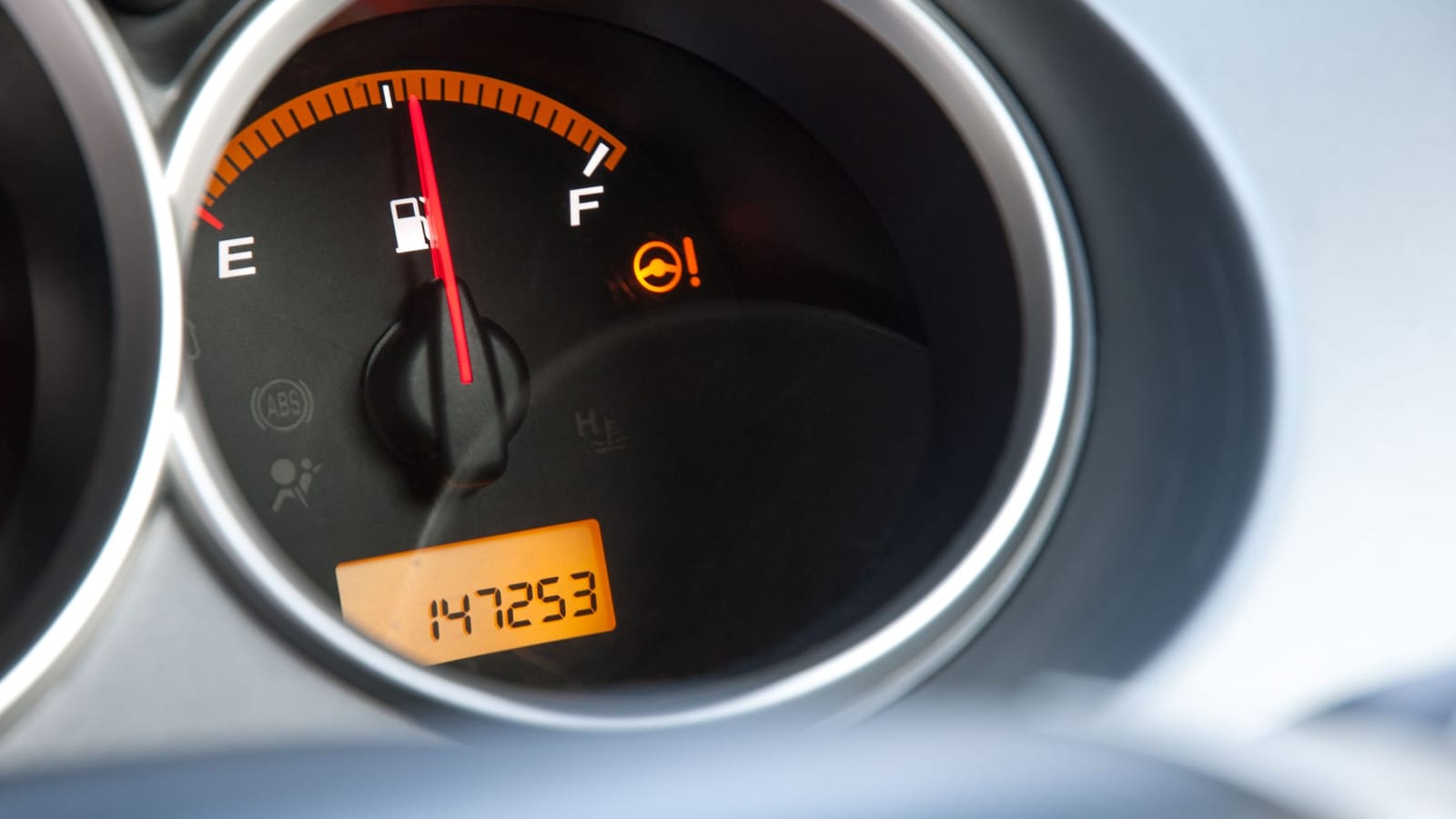
Cars rarely die because the engine wore out. They die because somebody skipped the transmission fluid for 140,000 miles, ignored a coolant weep for a year, or drove three weeks with the oil a quart and a half low. The mechanical parts of a modern car are good for a quarter of a million miles. The fluids aren't, and neither is the owner's attention span.
So the schedule below isn't exotic. It's mostly fluids, a few belts, and a habit of looking at your own car once a month. Do it and 250,000 is unremarkable. Skip it and you'll be shopping at 130,000 and calling it bad luck.
Start with the severe service column
Open your owner's manual and find the maintenance schedule. There are usually two: normal and severe. Read the definition of severe. Short trips. Stop-and-go traffic. Towing. Extreme heat or cold. Dusty roads. Idling.
Most people qualify. If your commute is under fifteen minutes, your car never gets fully warm, moisture and fuel stay in the oil, and the exhaust never dries out. That's severe service even though it feels like the easiest driving in the world.
Use the severe column. It's not a marketing upsell, it's the manufacturer telling you what the car actually needs when you drive it the way you drive it.
Oil, and the thing that matters more than the oil
Full synthetic at 5,000 to 7,500 miles covers almost everyone. Some engines are specified longer. If your manual says 10,000 and you do mostly highway miles, that's defensible. If you do short trips in winter, cut it.
More important than the interval: check the level once a month. Cold engine, level ground, pull the dipstick, wipe it, dip it again, read it.
Plenty of otherwise healthy engines burn or seep a quart between changes, and that's not a crisis. Running two quarts down for a few thousand miles is. Oil consumption is normal in a high-mileage engine. Ignorance of it is what kills the bearings.
Buy the oil filter that matches the spec, not the cheapest one on the shelf. Use the viscosity printed on the cap. If your engine takes a thin modern oil, don't put heavier oil in it because someone at a parts counter told you thicker is better for old engines. Modern variable valve timing runs on oil pressure through very small passages.
The automatic transmission is the real gate
This is where most cars are lost. Transmissions cost as much as a used car to replace, and they fail for one reason above all others: burnt fluid.
Some manufacturers call it lifetime fluid. What they mean is the life of the warranty. Cooked automatic transmission fluid loses its friction properties, the clutch packs slip, slipping makes heat, heat cooks the fluid faster, and the whole thing runs away from you at around 120,000 miles.
Drain and fill every 30,000 to 60,000 miles, using the exact fluid your transmission specifies. Not "universal." Not "compatible with." The exact spec. Modern transmissions are sensitive to friction modifiers in a way that older three-speeds never were.
A drain and fill only exchanges part of the fluid, which is fine when you do it regularly. Do it twice, a few hundred miles apart, if you're catching up.
The honest trade-off on a neglected transmission: if you're at 160,000 miles on original fluid and it already shudders, a fluid service may not save it, and some people argue fresh fluid can make a slipping unit worse. If it's shifting cleanly, service it. If it's already misbehaving, talk to a transmission shop before you do anything.
Manual transmissions are simpler. Gear oil every 60,000 or so. Clutch when it goes.
Coolant, brake fluid, and the two you forgot
Coolant every five years or per the manual, whichever comes first, and use the correct type. Mixing incompatible coolants can turn them to gel. A single serious overheat can warp a head or crack a block, which is why the coolant that costs the least of anything on this list protects the most expensive part.
While you're there, look at the radiator, the hoses and the plastic end tanks. Plastic gets brittle. A hose that feels rock-hard or spongy is telling you something.
Brake fluid every three years. It absorbs water from the air, and water boils. Long downhill grade, hot brakes, soft pedal. It's also the cheapest fluid service you'll ever buy.
Differential and transfer case fluid on trucks and all-wheel-drive cars. People forget these entirely. Check the manual for the interval and don't skip it if you tow or drive in deep water.
Power steering fluid, if your car has a hydraulic rack. A lot of newer cars are electric and have none.
Belts, plugs, and the one that can end the engine
If your engine has a timing belt, replacing it on schedule isn't optional. Typical intervals run 90,000 to 105,000 miles, but yours is printed in the manual. On an interference engine, a snapped belt drops valves into pistons and the repair costs more than the car is worth.
Do the water pump, tensioner and idlers at the same time. The labor is already paid for.
Timing chains generally last the life of the engine, but they depend on oil pressure and clean oil. Another reason not to stretch oil changes.
Serpentine belt by condition, usually somewhere past 100,000 miles. Cracks across the ribs mean replace it. Take the tensioner seriously too; a weak tensioner eats belts.
Spark plugs at the specified interval, often 100,000 miles on iridium. On a high-mileage engine it's worth pulling one earlier just to read it. Plugs tell you about oil burning, running rich, and coolant intrusion long before a warning light does.
Tires, brakes, and keeping it straight
Rotate every oil change. Check pressures monthly when the tires are cold. Get an alignment after any real pothole hit, any suspension work, and any time you notice uneven wear.
Replace tires by tread and by age. Rubber hardens whether you drive on it or not, and a six-year-old tire with good tread is still a worse tire.
Brake pads and rotors are consumables. Budget for them. Wheel bearings, tie rod ends, sway bar bushings and shocks all wear out somewhere in the 100,000 to 180,000 range. None of them are catastrophic. All of them ruin the way the car feels, which is what makes people decide the car is "tired" and trade it in.
Rust decides where the car ends
In the salt belt, the mechanical schedule is the easy part. Wash the underbody through the winter, especially the wheel wells and rocker panels. Keep the drain holes in the doors and rockers clear. Touch up paint chips before they blister. Check the brake and fuel lines when the car's on a lift.
An engine can be rebuilt. A rotted subframe is the end.
Write it down and pick your mechanic early
Keep a notebook in the glovebox or a note on your phone. Date, mileage, what you did. Without records you'll guess, and guessing is how the transmission fluid goes to 150,000 miles.
Find a good independent shop while the car is healthy, not on the day it strands you. Give them the small jobs. Ask them to tell you what's coming rather than only what's broken. A mechanic who knows your car for eight years is worth more than the difference in labor rate.
And fix small leaks now. A five-dollar seepage becomes a two-thousand-dollar failure when the fluid runs out on the highway.
The car that makes 250,000 miles isn't the lucky one. It's the one owned by somebody who noticed a new noise in week one instead of week forty.
Dean Shaw
Gear & Garage
Reads the warranty, the parts list and the long-term owner reviews before anything else. Trucks, tools, watches, and the cheap version that costs more.

Watch
Worth an hour of your evening
More from Cars.
From channels we rate. Plays on YouTube.
Read next