Pack Two Pairs of Shoes and Mail the Letter Early
What a teenager actually needs in the duffel for church camp, what the week really looks like, and how not to blow the ride home.
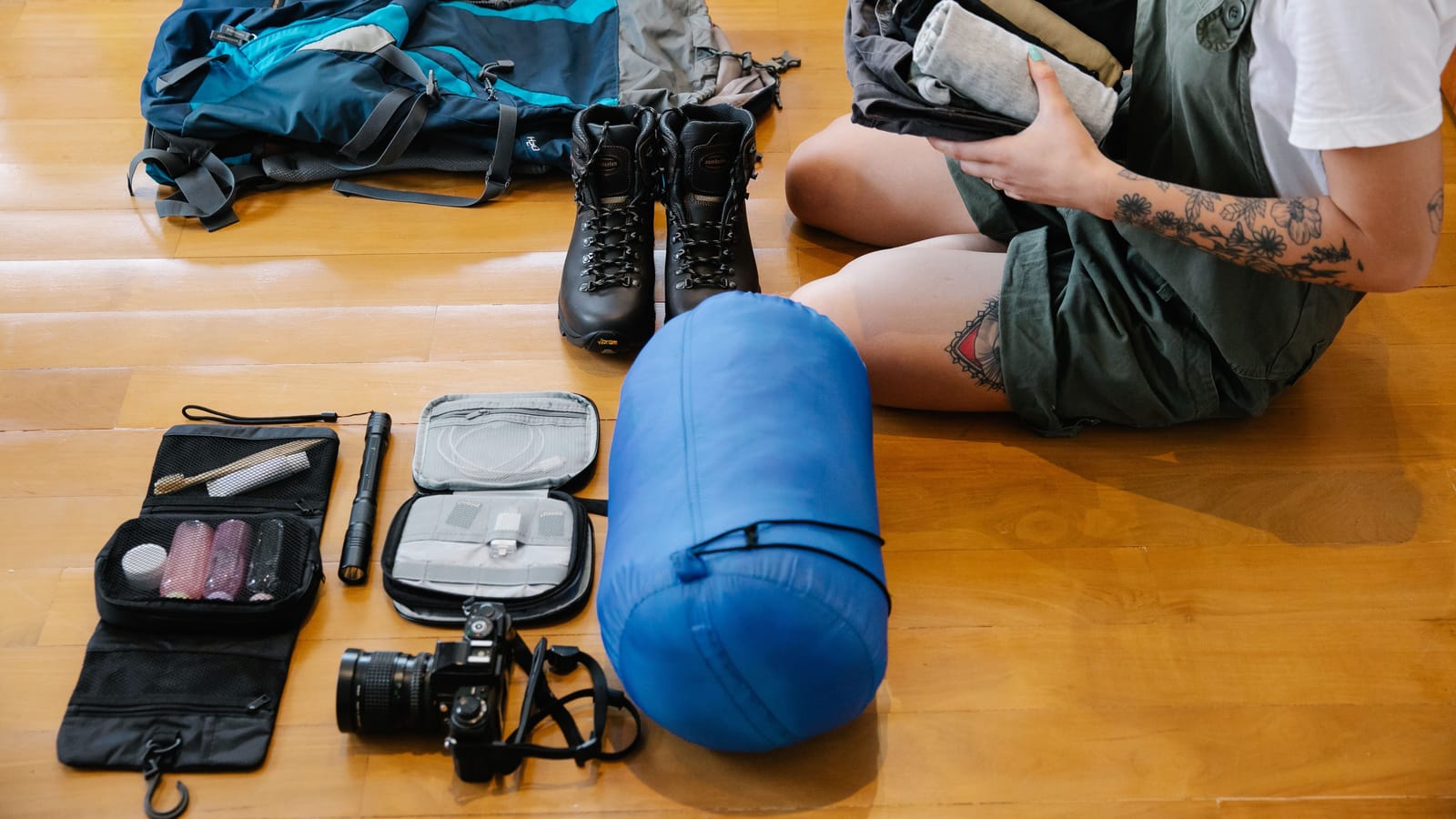
Pack two pairs of shoes. If you ignore everything else in this piece, do that one thing. Camp is grass, gravel, a lake or a pool, a mud pit somebody thought was a great idea on Wednesday, and a full afternoon of rain that nobody forecast. One pair of sneakers gets soaked on day two and stays soaked until Saturday, and your kid spends the rest of the week in slides with socks, which is its own kind of suffering.
Second thing: write the letter now and mail it two days before drop-off. Camp mail moves slowly, and a note that arrives Tuesday morning does more for a homesick fourteen-year-old than any phone call the camp won't let them make anyway.
Now the bag.
The duffel, in order of what gets forgotten
Start with a Sharpie and put your last name on everything. Towels, water bottle, flashlight, the inside tag of every shirt. Camp lost-and-found at the end of the week is a folding table piled two feet high with unclaimed gray T-shirts, and about a third of it goes to a thrift store because nobody can identify it.
- Bedding. Ask the camp whether bunks are twin or twin XL. Standard twin sheets on an XL mattress pop off at 2 a.m. A sleeping bag plus one pillow is simpler and most kids prefer it.
- A towel they can afford to lose, plus a second one. The first towel never dries. It hangs on the bunk rail all week smelling like a pond.
- Water bottle with a name on it. One they'll actually carry. A 32-ounce bottle with a handle beats a nice insulated one they'll leave at the archery range.
- Sunscreen SPF 50 and bug spray. Buy the spray-on sunscreen. It's the only kind teenagers reapply. Any sunscreen they'll wear beats none, but go mineral if you can, since zinc oxide sits on the skin and is gentler on sensitive skin: Thinksport SPF 50 or Blue Lizard Sensitive Mineral SPF 30.
- Flashlight or headlamp with fresh batteries. Cabin lights go off, the bathroom is sixty yards away, and phones aren't there to fill in.
- A plastic grocery bag or two for wet swimsuits and the shoes that lost the mud fight.
- Modest swimwear that meets the camp's stated dress code. Read the code before you shop, not in the parking lot at drop-off. One-piece for girls at most camps, trunks and a shirt for the lake at plenty of them.
- Closed-toe shoes for high ropes. Half the camps require them and won't make an exception.
- A jacket. Even in July. Cabins at elevation drop into the fifties at night and nobody believes it until they're shivering.
- $20 to $25 in small bills for the snack shack. Cabin leaders end up covering the kid who brought a hundred-dollar bill and the kid who brought nothing, and it's usually the same leader every year.
- A Bible they're willing to write in, and a pen. Not the leather one from grandma that they're scared to mark. A paperback they'll fold back on itself is better. Most camps hand out a notebook. Most kids lose it by Wednesday, so send one.
Leave at home: expensive headphones, jewelry, anything electronic they'd cry over, and any snack that attracts ants into a cabin. Cabin snack smuggling is a tradition. A sealed bag of beef jerky is fine. An open box of donuts is a raccoon invitation.
Medications, and the paperwork nobody reads until the line
Prescription meds go to the camp nurse at check-in, in the original pharmacy container, with the label intact. Not in a pill organizer. Camps enforce this because they have to, and the family that shows up with a baggie of loose tablets spends forty-five minutes at the medical table while the line backs up behind them.
Fill out the health form the week you register, not the night before. If your teen has asthma, a serious allergy, an EpiPen, or anything you'd want a stranger to know about at 3 a.m., write it on the form and then say it out loud to the nurse. If there's anything going on at home that might surface during the week, a divorce, a death, a diagnosis, tell the cabin leader privately at drop-off. They can't help with what they don't know. Anything beyond general first aid is a conversation for your kid's doctor before you go.
The phone question, settled before the car ride
Most camps collect phones at check-in and hand them back Saturday. A few let kids keep them. If yours does, set the rule yourself and set it in the driveway, not in the cabin.
The honest argument for locking the phone up: the week works because of what isn't there. No group chat from home, no comparison feed, no 11 p.m. scroll. Kids talk to each other on a porch at night because there's nothing else to do, and that's where half the real conversations at camp happen.
The honest trade-off: you'll go five days without hearing your kid's voice, and that's harder on you than on them. Get the camp's emergency number, tape it to the fridge, and then leave it alone.
What the week looks like from the inside
Wake-up is early and the coffee situation is bleak. Mornings are a session in the main room with music and a speaker. Afternoons are free time, the lake, the zip line, the gaga pit, a cabin competition with a trophy nobody can explain. Evenings are the big session, then cabin time, where a college-age leader who's been awake since six tries to get eight teenagers to say one honest thing.
Thursday night is usually the heavy one. Camps build toward it. There's an invitation, a long worship set, kids crying, kids praying with each other, sometimes a baptism in the lake on Friday morning. Some of that's the Holy Spirit doing exactly what He does. Some of it is a room full of tired teenagers with the lights low and a good band. Both things can be in the room at once, and pretending otherwise doesn't help anybody.
Homesickness peaks Tuesday. It almost always breaks by Wednesday afternoon. Don't promise your kid you'll come get them if it's bad, because then Tuesday has a hatch in it.
The ride home, and the two weeks after
Don't open with "So what did God do this week?" You'll get "it was good" and forty minutes of silence. Ask what the food was like. Ask who made them laugh. Ask what their cabin leader's name is and whether he was any good. The real stuff comes out somewhere around the second gas station, usually sideways, usually while they're looking out the window.
Then be ready for it to fade. Jesus said the seed on rocky ground springs up fast and joyfully and has no root, and a camp week can be exactly that soil if nothing changes at home. The fix isn't more intensity. It's ordinary Tuesday.
So pick one thing in the first week back. Get them to the student ministry that Wednesday, even if they say they're too tired. Find out the cabin leader's name and have him over for burgers. Let your kid tell the story out loud at your own dinner table, because one generation commends God's works to another and that starts in your kitchen.
And put the duffel in the garage with the tags still on it. You're doing this again next July.
Ade Fisher
Young Men
Teaches the trades intake at a community college. Writes the manual he wishes his students arrived with.

Watch
Worth an hour of your evening
More from Christian Bro.
From channels we rate. Plays on YouTube.
Read next