Find the dry cleaner who knows your name, then earn it
The best-value service in an expensive postcode costs about what a sandwich does. Here's how to find the shop worth keeping and become a customer worth remembering.
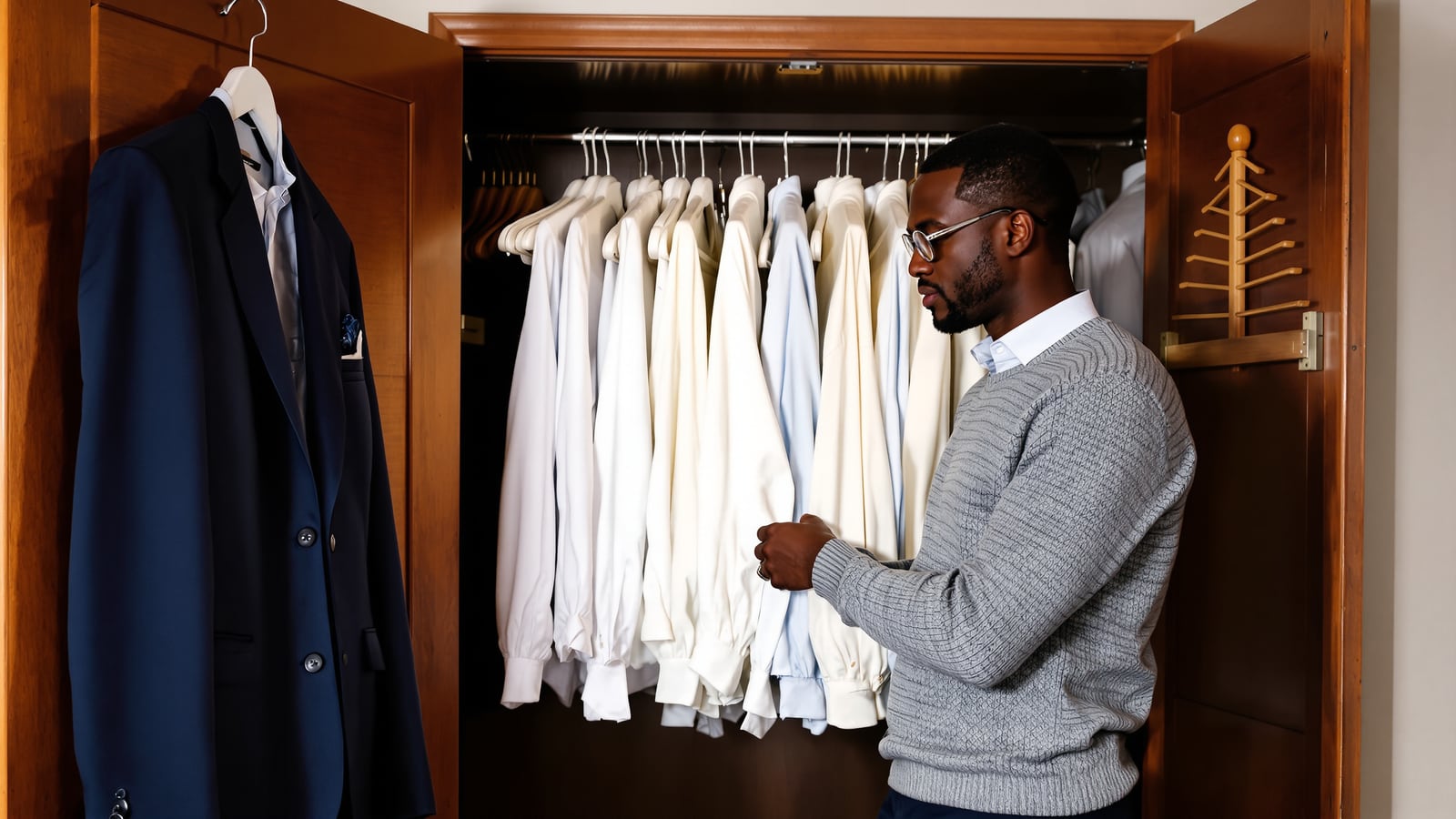
Quick answer: Skip the cheapest shop and the pickup app. Test a few places with one shirt each, keep the owner who looks at your clothes before he writes the ticket, and become the customer he's glad to see.
You walk in on a Thursday evening and he's already reaching for the rack. He doesn't ask your name. He knows the shirts are light starch, hung, no fold, and that the navy suit gets pressed but never steamed because you told him once, eight months ago, that it shines.
That isn't service. That's a relationship, and in a city where you can go a month without a neighbor learning your name, it's an underrated one.
Why the cheap place costs you more
The dry-cleaning market in most big cities splits two ways. There are chains and app services with drivers, lockers and a discount for your first order. And there are family shops that have held the same corner for twenty years.
The chain wins on price and convenience. Concede that. If you wear a T-shirt to work, it's all you need.
But if you own three good suits and a dozen real shirts, the cheap place is the expensive one. The press operator there's moving at volume. Nobody checks pockets. Nobody notices the loose button until it's gone. Nobody remembers that the wool blazer came back with a shine on the elbows last time, and nobody fixes it.
A good cleaner saves you money by what he doesn't do. He tells you a suit doesn't need cleaning every time you wear it, because over-cleaning wears wool out. He'll say that to your face, which costs him a visit. That's how you know he's thinking about your clothes and not his ticket count.
How to audit a shop with one shirt
Don't hand a new place your best suit. Spend one cheap order finding out who they are.
- Drop off one shirt you like but wouldn't cry over. Add one small thing: a tie, or a pair of chinos.
- Watch the counter. Does he look at the garment, turn the collar over, check the cuffs? Or does he count pieces and slide a ticket across?
- Point out one stain and say what it was. Coffee, sweat, salad dressing. A real cleaner treats stains differently depending on the source. If he asks a follow-up question, good. If he nods and moves on, note that.
- Check the result at home. Collar crisp, no iron shine, buttons all present, no chemical smell. Hangers that aren't wire-bent into pretzels are a small tell worth noticing.
- Ask a dumb question. "Should I be cleaning this every time?" A confident owner answers honestly. A salesman says yes.
Two shops will likely fail by the second visit. Keep the one that passes. That's your guy.
Becoming a customer worth remembering
Most men miss this part. He isn't going to treat your clothes like his own because you're a good customer on paper. He does it because you're a person to him. You can help that along, and none of it costs much.
Empty your pockets. Every pocket, every time. Pens, receipts, lip balm. A pen that melts into a shirt is your mistake, and he'll fix it on his own time if he's decent. Don't make him.
Tell him what happened. "Spilled red wine on this Saturday. I blotted it, didn't rub." That sentence is worth a hundred dollars in saved fabric. He can't treat what he can't identify.
Pick up on time. A rack full of abandoned orders is a small business's quiet misery. Collect your clothes when you said you would.
Pay without a fuss. If a fee goes up a dollar, don't comment. Prices rise on small shops from every direction. If you've got a real complaint, say it once, calmly, at the counter, with the garment in hand. Don't leave a review first. Give him the chance to fix it. Most will, and the next time he'll go the extra mile.
Learn his name and use it. Ask once. Then remember it. It's the oldest networking trick in the world and it works because it's courtesy, not technique. If you want more on that instinct, stop working the room and start being useful covers the same ground for the office.
Tip at the holidays. Cash in an envelope, handed over in person, before Christmas. Not a card. Not an app. A fair tip for a shop where the same two people have handled your laundry all year isn't charity. It's gratitude, and it's customary for good reason. He'll remember.
Send him people. A neighbor mentions a ruined jacket and you say, "Go see Dan on the corner." That's worth more to a small shop than any coupon. It's also how you build a reputation as somebody who knows where to find good people.
What he does back
This is where the arrangement pays you.
He'll sew a button on without being asked. He'll tell you when a stain has set and can't be saved so you don't pay for a miracle. He'll rush a shirt for a Monday-morning interview when you walk in Sunday night looking like you've got no options. He'll hold your suit at the back until you're out of town. And once in a while he'll say, "That sleeve's coming apart, you should get it looked at," and point you toward a tailor he trusts.
None of that's on a price list. All of it is worth real money.
Leave it better than you found it
The old code applies here too, in small ways. Return the hangers if he asks for them. Don't hold up the line while you hunt for a ticket you lost. If he's closing at six and it's five fifty-five, come back tomorrow.
Neighborhood shops survive on a thin margin of goodwill, and a few regulars who treat them well are the difference between a shop that's still there in ten years and a vacant storefront with a lease sign in the window. You can do that, and still enjoy the best shirt press in the zip code.
It's the same principle behind stopping living in your city like it's a long business trip. You're not passing through. You belong somewhere, and the people who serve you're part of what makes it yours. The man who runs the counter might also be the first to notice if you stopped showing up. Few things in a big city are worth more than that, and it's the kind of thing you build the same way you build friendships after thirty: by turning up, repeatedly, on purpose.
The test of a good shop
Here's the final check. Next time you walk in, count how long it takes before he says your name or hands you the right order without asking.
If it's the third visit, you've found him. If it's the tenth and he's still asking for your last name, take your business somewhere else. Not out of spite. Out of respect for the time you're both wasting.
Then go home, hang the shirts, and put a note in your phone for December: envelope, cash, hand it over yourself.
Marcus Vale
Editor-in-Chief
Twenty years in magazines, most of it deciding what to cut. Writes about work, discipline and the decisions that compound.

Watch
Watch how it's done
Picked for this article.
From channels we rate. Plays on YouTube.
Gentleman's Gazette
Dry Cleaning 101: When To Do It + What to Look For in a Quality Dry Cleaner & Why It Can Be Damaging
Read next