The electricity math to run before you buy a mining rig
A 3,000-watt miner burns 72 kilowatt-hours a day. Work out what that costs you before you work out what it earns.
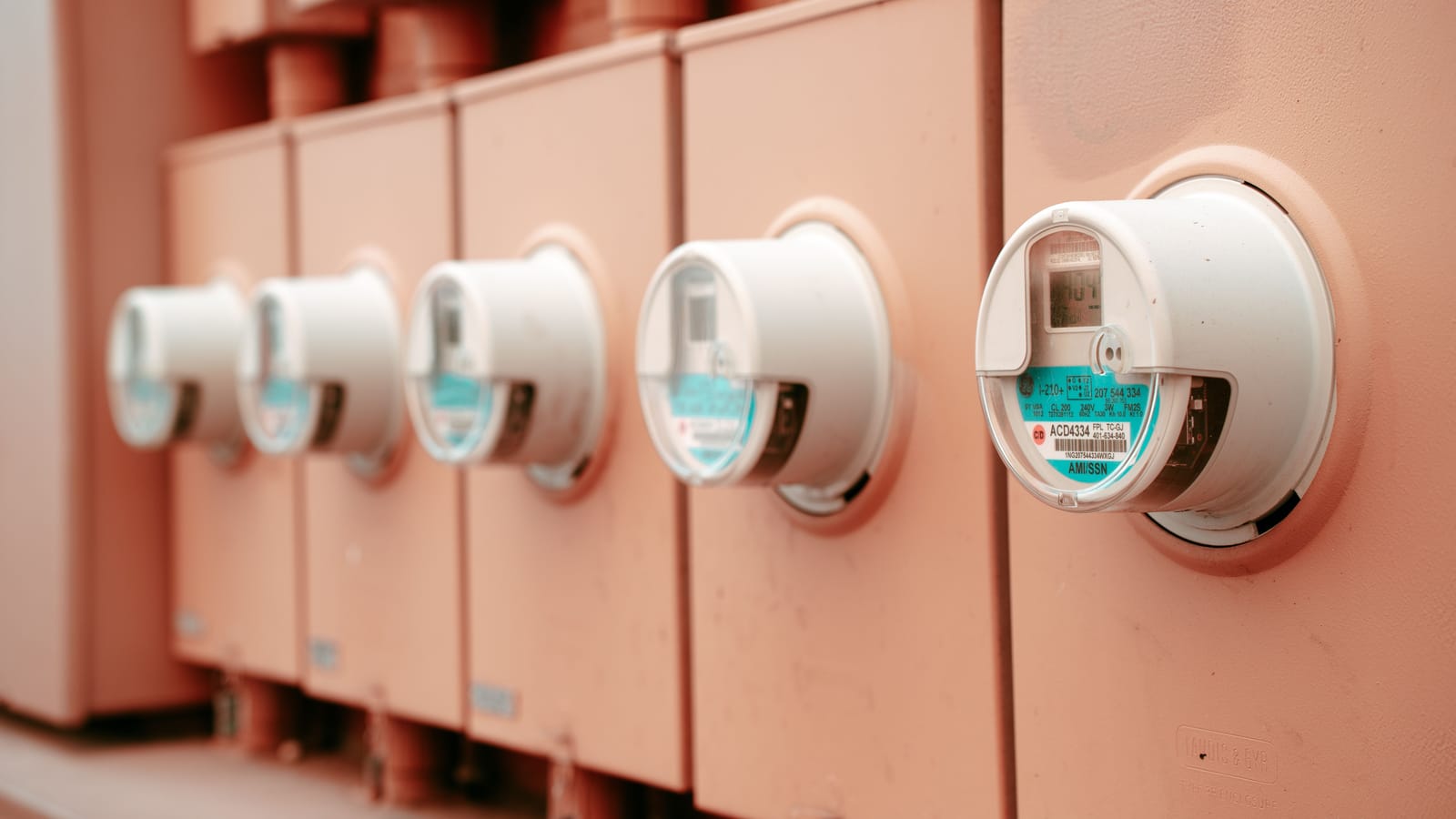
A 3,000-watt machine running flat out uses 72 kilowatt-hours a day. At 15 cents a kilowatt-hour, that's $10.80 a day. Call it $324 a month, every month, whether bitcoin doubles or halves. At 30 cents it's $648.
Most people start at the other end. They find a calculator online, punch in a hashrate, see a daily revenue figure with a dollar sign in front of it, and go shopping. Start with the bill instead. The bill is the part you can actually know.
Find the number your utility charges you, not the one on the marketing page
Your electricity rate is probably not what you think it is. Pull up last month's bill and look for two separate things: supply (the energy itself) and delivery (getting it to your meter). Add every line item, including taxes and fixed charges, then divide the total dollar amount by the total kilowatt-hours used. That blended number is your real rate.
Then check whether you're on a tiered plan. Plenty of residential tariffs charge one rate for the first chunk of monthly usage and a higher rate above it. A miner doesn't sit in the cheap tier. It parks itself permanently in the expensive one, so the marginal rate is the number that matters, not the average.
Time-of-use plans cut the other way. If your utility offers a genuinely cheap overnight window, a machine that only runs those hours has different economics entirely. Fewer hours, cheaper hours, less heat during the day. It also earns less. Run both numbers.
Turn the spec sheet into a monthly bill
The arithmetic is short enough to do in your head.
Watts ÷ 1,000 × 24 × 30 × your rate = monthly cost.
A 3,250-watt machine at 18 cents: 3.25 × 24 × 30 × 0.18 = about $421 a month.
Two cautions on the wattage. Manufacturer figures are quoted under favorable conditions, so treat them as a floor rather than a promise. And if you're running anything on the exhaust side, ducting fans, an inline blower, a dehumidifier in the garage, add that draw too. A proper inline meter on the circuit will tell you the truth once the thing is installed. That's after you've committed, which is why the estimate matters.
The revenue side is the part you don't control
Mining revenue comes down to one figure the industry calls hashprice: how much a unit of hashrate earns per day. It's usually quoted in dollars per terahash per day. Look up today's figure on a public mining dashboard, multiply by your machine's terahash rating, subtract your pool's fee, and you have gross daily revenue.
Now do it again at half that number, because two forces push it down over time.
Difficulty adjusts roughly every two weeks. When the bitcoin price rises, more machines switch on, difficulty climbs, and your share of the block rewards shrinks. Your electricity bill doesn't shrink with it.
And the block subsidy halves every 210,000 blocks, about every four years. That's written into the protocol. It isn't a risk, it's a schedule. Any rig you buy today will live through one of those events if you keep it more than a few years, and on the day it happens, roughly half your revenue disappears overnight unless transaction fees make up the gap.
The one calculation worth memorizing
Forget forecasting the price. Work out the electricity cost of producing one terahash-day on your machine, and compare it to what a terahash-day pays.
Efficiency is quoted in joules per terahash. A machine at 20 J/TH uses 20 joules every second for every terahash per second of output. Over a day that's 0.48 kilowatt-hours per terahash. At 15 cents a kilowatt-hour, that's 7.2 cents to produce one terahash-day.
If hashprice is above 7.2 cents, you're covering power. If it's below, every hour the machine runs costs you money, and running it harder loses faster.
That single figure tells you more than any calculator. A more efficient machine lowers it. Cheaper power lowers it. Nothing else you do moves it at all.
Heat, noise, and the wiring you'll need
Three kilowatts of electricity becomes about 10,000 BTU per hour of heat. That's a large space heater that never shuts off. From November to March in a cold garage, that's a feature. In July, your air conditioner now has to move that heat back outside, and you pay for the electricity twice.
The noise is the part people underestimate. Industrial ASICs use high-static-pressure fans, and they sound like a shop vac running in the next room, permanently. Nobody sleeps through it. It's not a spare-bedroom machine, it's a detached-garage or outbuilding machine, and if your neighbor's window is twenty feet from that wall, you're going to have a conversation you'd rather not have.
Electrically, most serious rigs want a 240-volt dedicated circuit, and continuous loads have to be sized with headroom on the breaker. This isn't a job for a YouTube video and a Saturday afternoon. Get a licensed electrician to quote the circuit before you buy anything, because that quote sometimes ends the project on its own. Check your lease, your HOA rules, and your homeowner's policy while you're at it.
The comparison nobody wants to run
Take the money you'd spend on hardware plus twelve months of projected electricity. Then ask what that same amount buys you in bitcoin, bought directly, today, with no fans, no breaker panel, no heat, and no depreciation.
Because hardware does depreciate, fast. A rig that's two generations behind on efficiency becomes worthless the moment its power cost per terahash-day exceeds hashprice, and it never recovers. The resale market for last-cycle machines exists, but the prices on it are sobering.
Mining wins in specific situations, not general ones. Genuinely cheap power, in the single digits of cents. A building you were heating anyway, where the exhaust replaces propane or electric baseboard. A solar setup where you're exporting at a poor rate and would rather burn the surplus yourself. If none of those describe you, direct purchase is the simpler road and the math usually says so.
The small-scale exception
There's a separate category worth knowing about: low-power solo miners that draw about as much as a desk lamp. They will almost certainly never find a block. They're a lottery ticket, a learning tool, and a way to support the network without turning your house into a plant room. If that's what you want, buy it with your hobby money and call it a hobby. It's an honest thing to do. Just don't build a spreadsheet around it.
One last piece of housekeeping. Mined coin has tax consequences at the moment it's received in most jurisdictions, and they're not the same as the consequences of buying it. Ask a qualified accountant before the first payout lands, not the following April. This is general education, not advice about your situation.
Tell your wife the monthly power figure before the pallet arrives, not after. The guys still mining at home in five years are the ones who bought a heater that happens to pay for part of itself, and who knew exactly what it cost them the whole time.
Ray Okonkwo
Money & Business
Former commercial banker turned small-business owner. Covers salary, credit, margins and the arithmetic nobody does before signing.

Watch
Worth an hour of your evening
More from Crypto.
From channels we rate. Plays on YouTube.
Read next