How to fight a denied insurance claim and get it paid
A denial letter looks final and usually isn't. Answer the reason they gave, in writing, before the deadline, and know who to call when they dig in.
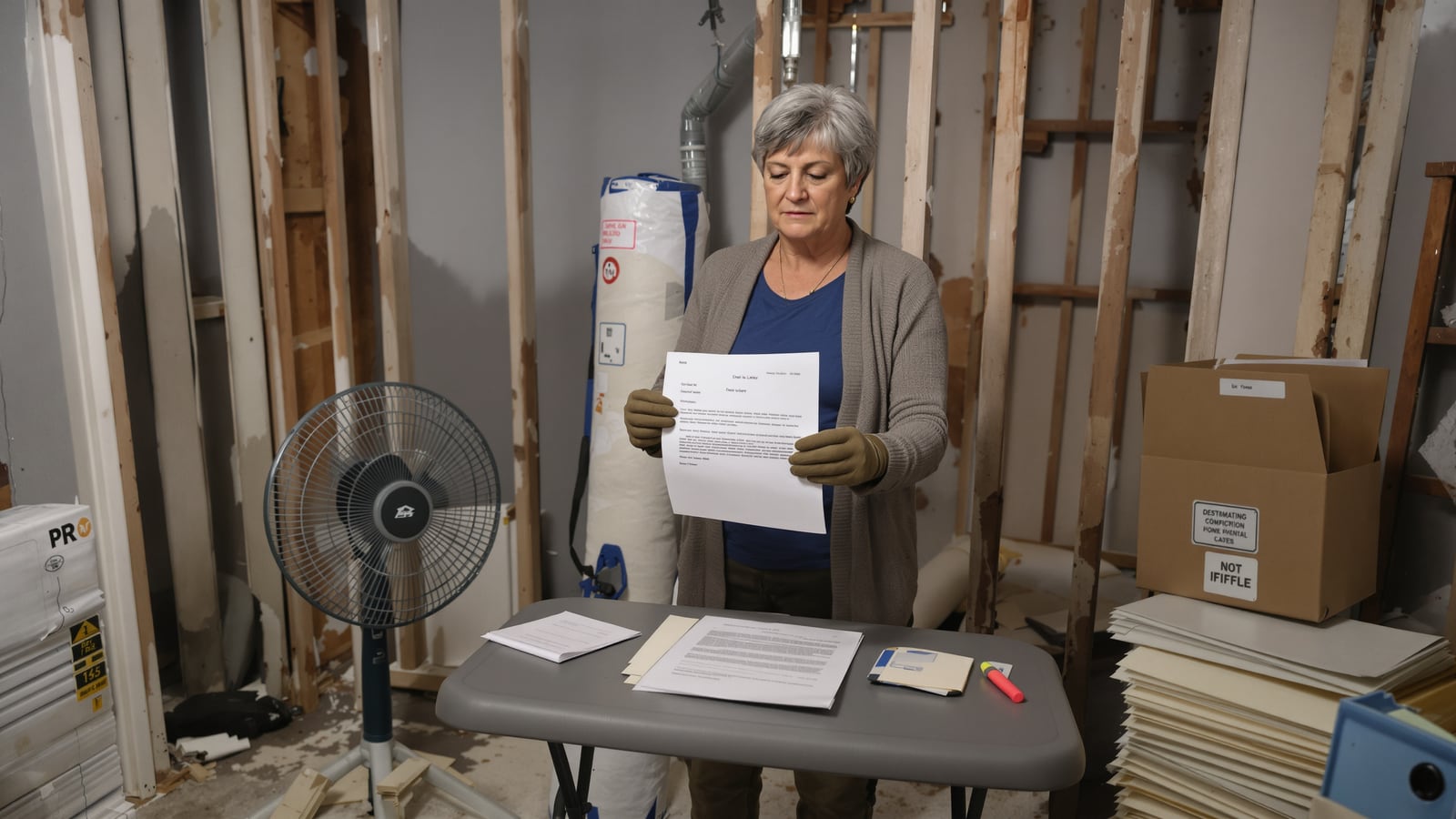
You challenge a denied claim by answering the exact reason the insurer gave, in writing, before the deadline printed on the denial letter. If they hold firm, you take it to an outside referee: external review for health plans, your state insurance department for home and auto. That's the whole game. The rest is paperwork, and paperwork is something you can do.
The letter arrives in a window envelope and reads like a verdict. It's an opening position. Insurers deny claims over missing information, coding mistakes and judgment calls, and none of those are permanent.
1. Read the letter for three things
Find the reason for the denial, the policy provision they cite, and the deadline to appeal. Highlight all three.
For most employer and marketplace health plans, federal rules give you at least 180 days from the denial notice to file an internal appeal. For home, auto and other property claims, the deadline sits in your policy and in your state's law, and it can be much shorter. Look for a section called "Suit Against Us" or "Legal Action." Some policies allow only one year to sue.
Put the deadline on your calendar. Then pick a date two weeks before it and treat that as the real one.
Keep paying your premiums while you fight. A lapsed policy hands the insurer a clean way out.
2. Get the documents
Ask in writing for the complete policy, not the glossy summary, and for the claim file: the adjuster's notes, photos, estimates and any medical reviewer's report they relied on. Health plans must give you the documents relevant to your claim free of charge. For property claims, ask for the adjuster's report and the estimate behind the number.
You can't answer a reason you haven't seen.
3. Make one call, then start a log
Call the number on the letter and ask a single question: "Is this fixable, or is it a coverage decision?" A surprising number of denials come from a wrong billing code, a missing form or a prior authorization that wasn't logged. If so, ask the provider's billing office to resubmit.
Be courteous. The person on the phone didn't write the policy and is working from a script. But don't get talked out of your appeal by a friendly voice. "We can look at it again" isn't an extension of your deadline.
Write down the date, time, name and reference number of every call. Follow each one with a short email or letter: "Per our call today at 2:15 p.m. with Dana, reference 88412, you confirmed..." That paper is what you'll point to later.
If a hospital or doctor's office is billing you for the denied amount, ask them to hold the account while your appeal is pending. Most will.
4. Build the evidence to fit the reason
Match your proof to what they actually said.
- "Not medically necessary." Ask your doctor for a letter of medical necessity that says why this treatment, why now, and what happens without it. Ask whether the doctor can do a peer-to-peer call with the plan's medical reviewer. Those calls change outcomes more often than you'd expect.
- "Not covered" or "excluded." Read the exact clause. Does it say what they claim it says? Check the definitions section, which is where the fine print hides.
- Property damage disputes. Get two written estimates from licensed contractors, dated photos, receipts and, for structural or cause-of-loss fights, a report from an engineer. If the damage was ongoing, show you stopped it fast. Insurers deny for failure to protect the property, so if a pipe was the problem, know how to shut off the water main before it happens.
- Auto claims. Bring a written estimate from a shop you chose, plus comparable-vehicle listings if the dispute is the car's value.
5. Write the appeal letter
One page. Keep it dull and exact.
- Your name, policy number, claim number and the date of the denial.
- The reason they gave, quoted word for word.
- Why it's wrong, in two or three short paragraphs, pointing to the policy language and your evidence.
- What you want: "I'm asking that this claim be approved and paid in full."
- A list of what's enclosed.
Skip the story about how long you've been a customer and how unfair it feels. They can't pay a claim on feelings.
Use the appeal form or address listed on the denial letter if there's one. Send it by certified mail with return receipt, which costs a few dollars on top of postage, and keep a full copy. If you can submit through the insurer's portal too, do it and screenshot the confirmation.
If a delay would put your health at risk, say so in the first line and ask for an expedited appeal. Health plans must decide urgent appeals within 72 hours.
6. Go outside the company
If the internal appeal fails, you aren't stuck with the insurer's decision.
Health insurance. You can request an independent external review, usually within four months of the final denial. A doctor who doesn't work for your insurer looks at the case, and if the reviewer sides with you, the plan has to pay. It's free or close to it, and states run their own versions with small fee caps. The final denial letter should explain how to file. If it doesn't, call your state insurance department.
Employer plans. Ask HR whether your plan is insured or self-funded. Self-funded plans fall under the U.S. Department of Labor, not your state. The Employee Benefits Security Administration (EBSA) will help at 1-866-444-3272 or dol.gov/ebsa.
Home, auto and other property. File a complaint with your state department of insurance. It's free, it takes about twenty minutes, and the insurer is required to respond. Find yours at naic.org. Response times vary by state. Many states also have rules on how fast an insurer must acknowledge, investigate and pay a claim. Ask the department for yours.
Medicare and Medicare Advantage. Different clock, different forms. Start with 1-800-MEDICARE and the appeal instructions on your notice.
7. Know when to hire help
If it's a large property claim or a flat refusal on a dispute over value, you have three options:
- Appraisal. Many property policies include an appraisal clause. You and the insurer each name an appraiser, they pick an umpire, and the amount of loss gets settled. It works for disputes about price, not about whether the loss is covered.
- Public adjuster. A licensed professional who documents and negotiates your claim, typically for a percentage of what you recover. Some states cap the fee, and some require a written contract. Check the license with your state before signing anything.
- Attorney. Insurance lawyers often take denied-claim cases on contingency, commonly around a third of the recovery, and many offer a free first consult. Rules on bad faith vary widely by state, so hire someone local. This is general information, not legal advice, and a licensed attorney in your state is the right person to ask about your deadlines.
If you've been through your own plan's appeal and the amount is small, a swing through the outside agencies often costs you nothing but time. Save the lawyer for when the stakes justify the percentage.
The mistake that sinks the most claims
Arguing on the phone and calling it an appeal.
You spend an hour with a rep, they say they'll "note the file," and the deadline passes. A phone call isn't a filed appeal. A letter in the mail with the right claim number is.
The second mistake sits close behind it: arguing that the denial is unfair instead of showing it's wrong. Answer the stated reason, cite the policy, attach the proof, and keep a copy of everything.
If this fight has you rethinking the plan itself, the open enrollment guide walks through how to change it without gaps. But finish this one first. Nobody's going to fight for your coverage harder than you will.
Ray Okonkwo
Money & Business
Former commercial banker turned small-business owner. Covers salary, credit, margins and the arithmetic nobody does before signing.

Watch
Watch how it's done
Picked for this article.
From channels we rate. Plays on YouTube.
ProPublica
How Can I Fight a Health Insurance Denial?
NBC Chicago
How to get claims approved by insurance (even after they're DENIED)
Read next