Twenty pages a day is the whole reading plan
A busy year will eat your ambitious list by March. It won't touch twenty pages a night, and twenty pages a night is two dozen books.
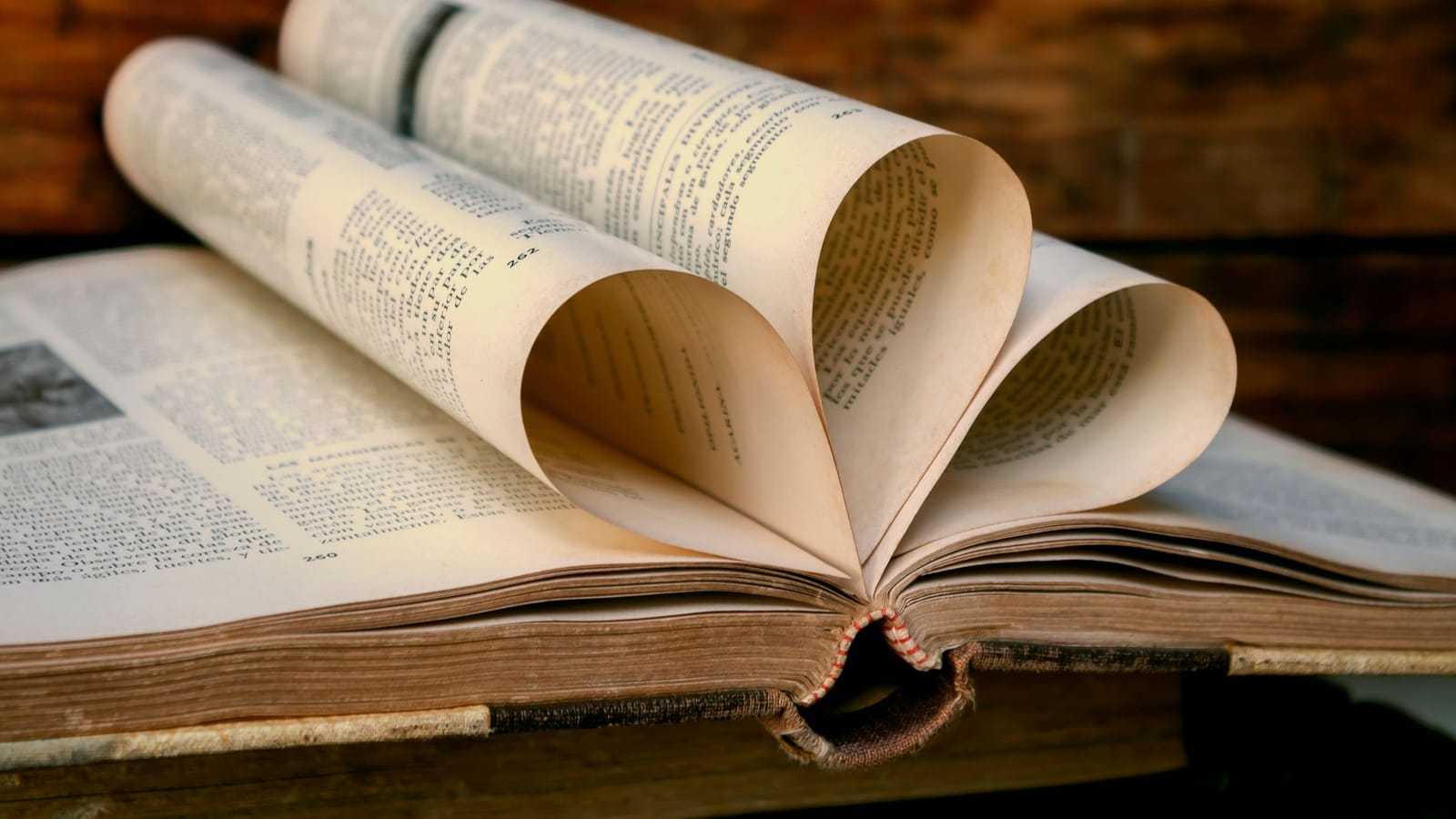
Twenty pages a day is 7,300 pages a year. Call the average book 300 pages and that's twenty-four of them. No speed reading, no app, no 5 a.m. cold plunge. Twenty pages takes most people about twenty-five minutes, and you already waste twenty-five minutes on a phone you don't even enjoy anymore.
So the arithmetic isn't the problem. Nobody fails at reading because twenty pages is too many. They fail in the gaps: the week the book got boring, the trip where the book stayed on the nightstand, the two months lost to a doorstop they felt obligated to finish.
Everything below is about closing those gaps.
Pick the slot before you pick the books
A reading habit needs a time and a chair, not a list.
Attach it to something that already happens without your permission. Kitchen's clean, dishwasher's running, it's 9:40. That's the slot. Or your coffee finishes brewing at 5:55 and you've got until the first kid surfaces. Pick one. Write it down somewhere stupid, like the back of a business card in your wallet.
The chair matters more than people admit. Reading in bed is where good intentions go to nap. If you've got a spot with a lamp and a straight back, that's your spot, and your body will start to know what happens there by about day nine.
Don't build a slot you'd need a good week to keep. Build one you could keep on a bad Tuesday in February when the truck won't start.
The phone is the whole fight
You're not competing with work or kids for those twenty-five minutes. You're competing with a device engineered by very smart people to be more interesting than a book, forever, for free.
Put the charger in the kitchen. Buy a nine-dollar alarm clock so you stop pretending the phone has to be in the bedroom. That's the entire intervention and it works better than any amount of willpower.
The annoying part: for the first week and a half, your hand will reach for a phone that isn't there, and you'll feel something close to panic about a text you haven't gotten. Sit in it. It passes around night eleven, and what replaces it's the ability to read three pages without checking anything, which you may not have had since 2014.
Quit books out loud, and quit them early
Fifty pages. If it hasn't earned the next fifty, you're done, and you say it out loud so it's official. "I'm done with this one."
This is the single highest-leverage rule in the whole plan, because a book you're dutifully not reading doesn't just cost you that book. It costs you every book behind it. Three weeks of not reading a novel you've stopped liking is three weeks of not reading anything.
The counterargument is real, so take it seriously. Some books are slow on purpose and pay you back on page 180. Some you were just the wrong man for that month. I bailed on Moby-Dick twice in my twenties and loved it at thirty-eight on a week off. Quitting isn't a verdict on the book. It's a verdict on this week.
And be careful with the thousand-page biography. Chernow's Grant is terrific. It's also roughly a thousand pages, which at twenty a day is seven weeks of your year spent on one man. Worth it, sometimes. Just know what you're spending.
Never finish a book without the next one in the house
The gap between books is where readers quietly stop being readers. You finish something on a Thursday, feel good, and don't pick up anything else until you notice in June that you haven't.
Keep three on deck. Physically on deck, stacked where you read, not saved in a cart. Get a library card and put four holds on it right now; holds arrive on a schedule you don't control, which is exactly the nudge you want. Free, and the late fees are a lot cheaper than the twelve books you didn't read.
When you close one, open the next one the same night. Five pages is enough. You're not reading, you're refusing to let the streak have a hole in it.
Run two books at once
One that takes effort and one that doesn't.
Effort book in the morning or on a Saturday when your head's clear. History, theology, something about your trade. Easy book at night, when you're tired and honest about it. A western, a thriller, a memoir by somebody funny.
People resist this because it feels unserious, like you're cheating on the hard book. You're not. The night book is what keeps the habit alive on the eighty percent of evenings when your brain is done, and a habit that survives tired nights is the only kind that gets you to the hard book at all.
Audio counts, with one caveat
Mowing, painting a bedroom, driving to the job site, the treadmill. That's found time and audiobooks turn it into finished books. Two hours of highway a week gets you through a lot of Dickens.
The caveat: you'll retain less, and you can't underline. So don't put the book you want to argue about with a friend on audio. Put the story on audio and the argument on paper.
Read where you wait
Coat pocket, glovebox, backpack. A paperback in the truck turns the school pickup line into eight pages, and the dentist running late into fifteen. Do that twice a week and you've added a book and a half to the year without finding a single new minute.
Mass market paperbacks fit in a jacket pocket. That's the entire reason they exist and we forgot.
Read out loud to somebody
This is the part that makes the whole thing stick for people with young kids, because it stops being a solo project.
Twenty minutes of The Hobbit at bedtime is twenty minutes you'd never carve out for yourself, and it counts toward the pile. It also does something you can't engineer any other way: your kids see a grown man who reads, in a chair, on an ordinary weeknight, without anybody making him. Nobody has ever been talked into loving books by a parent who doesn't read.
And if your wife reads, trade the good ones. Nothing improves a marriage-sized conversation like both of you being halfway through the same novel and disagreeing about the ending.
What actually goes wrong
November and December. Travel weeks. A new baby. A stretch at work where you get home at nine and have nothing left.
You will drop this. Plan for it now, because the way most people handle the drop is by trying to make up pages, failing, and concluding they're not readers.
You don't make up pages. There's no debt. You just read twenty pages tonight. The streak is a tool, not a scoreboard, and a year with three broken months in it still ends with twelve or fourteen books on the shelf, which is twelve or fourteen more than the perfect plan you abandoned in February.
Track it badly, on purpose. An index card in the nightstand drawer. Title, and the date you finished it. No app, no ratings, no public shelf. Just a card that gets longer.
Pull that card out next New Year's Eve. You'll remember what was going on in your life when you read each one, which is a strange and good thing to have, and nobody who scrolled instead has anything like it.
Cal Brennan
Fitness
Strength coach. Trains fathers, tradesmen and desk workers, which means programs that survive a bad week.

Watch
Watch how it's done
Picked for this article.
From channels we rate. Plays on YouTube.
Better Ideas
How to Read When You Hate Reading - 5 Tips and Tricks
ParkNotes
The Best Method to Develop a Daily Reading Habit
Read next