What Heat and Cold Actually Do to Dogs, Cats and Horses
The seven-second pavement test, the truth about blanketing horses, and the winter poison sitting in half the garages in America.
Put the back of your hand flat on the asphalt and hold it there. If you can't make it to seven seconds, your dog can't walk on it. That's the whole test, it takes less time than tying your shoes, and it will save you a four-hundred-dollar emergency visit for burned pads that blister two days later, when you've already forgotten about the trip across the hardware store parking lot.
Blacktop soaks up sun and holds it. Air temperature in the mid-80s can leave a parking lot hot enough to cook on, and the reading on your truck thermometer tells you nothing about the surface six inches off the ground where the dog lives. Grass is fine. Dirt is fine. The Home Depot lot at 3 p.m. in July is a griddle.
Heat kills fast, and it picks favorites
Heatstroke in dogs doesn't announce itself politely. Watch for panting that won't slow down, thick ropey drool, gums that go brick red or gray, staggering, vomiting, or a dog that lies down and won't get up. Vets treat a body temperature above 104°F as an emergency, and the damage compounds by the minute.
Some dogs are loaded dice. Bulldogs, pugs, boxers, Frenchies and anything else with a pushed-in face are working with a compromised radiator. Dogs pant to cool themselves, and a short muzzle is a short cooling system. Add heavy coats, black coats, overweight dogs, puppies, seniors, and any dog with heart or airway problems. A nine-year-old thirty-pound overweight Lab mix is a different animal in August than the same dog was at three.
If you think it's happening: get the dog out of the sun, pour or hose cool water over him, aim a fan at him, and drive to the vet with the AC blasting. Call the clinic on the way so they're waiting at the door. Skip the ice bath and skip the ice cubes. And don't stand in the yard for twenty minutes trying to cool him yourself. Cool and go.
The car isn't a gray area. Cracked windows do almost nothing. A 70-degree spring day turns a parked sedan into an oven in under half an hour. Leave him home.
Summer habits that actually work
Move the walk. Six in the morning and nine at night, all summer, no exceptions. If your dog needs a hard run, do it at dawn and give him a sniffing walk in the evening instead of a second session.
Water bowls outdoors get warm and gross. Put out two, in shade, and dump and refill them when you come and go. A kiddie pool with four inches of water in it does more for a Lab in August than any cooling vest ever sold.
Shade from a tree beats shade from a doghouse. A doghouse in full sun is a box that traps heat, and dogs will use it anyway because it's the shelter they know.
One honest trade-off on grooming: don't shave a double-coated dog down to the skin. That undercoat insulates against heat as well as cold, and shaving it invites sunburn and coats that grow back wrong. Brush the dead undercoat out instead. A Husky in July needs the de-shedding rake, not the clippers.
Winter, and the poison in your garage
Cold has a wider range of honest answers than heat. A Malamute at 20°F is having the best day of his year. A twelve-pound whippet at the same temperature is in real trouble in twenty minutes. Short coats, small bodies, thin dogs, puppies and old arthritic dogs lose heat fast, and wind and wet make everything worse. A wet dog at 35°F is colder than a dry dog at 20°F.
Signs to act on: shivering, tucked tail, lifting paws, whining at the door, slowing down. Frostbite shows up on the tips first, ear edges, tail tip, and it often doesn't look like much for a day or two. If a patch of skin goes pale, hard or waxy, that's a vet call, not a heating pad.
Coats and sweaters aren't soft. For a greyhound or a chihuahua, they're equipment. For a Bernese Mountain Dog, they're a costume, and you can save your money.
Then there's antifreeze. Ethylene glycol tastes sweet, a small amount can kill a dog or cat, and the damage to the kidneys starts before you see anything wrong. If your car drips, clean it up. Store the jug high and sealed. If you even suspect an animal licked some off the driveway, that's an emergency room trip within the hour, not a wait-and-see.
Ice melt is the other winter irritant. Salt burns pads and upsets stomachs when they lick it off. Keep a towel by the door and wipe the feet every time. Booties work, technically, though most dogs walk like they're crossing hot coals for the first week and half of them come home with three.
Cats get cold too, and they hide it better
Bang on the hood before you start the engine on a January morning. Cats climb into warm wheel wells and onto engine blocks, and the results are exactly as ugly as you'd imagine. It costs you two seconds.
If you feed a barn cat or a neighborhood stray, build the shelter right. A plastic tote with a hole cut in one side, raised off the ground on a pallet, packed with straw. Straw, not hay, and not blankets or towels. Hay holds moisture and molds. Blankets soak up damp and freeze into a cold slab. Straw traps air and stays dry. Make the entry hole just big enough for the cat and no bigger, and face it away from the wind.
Indoor cats run into trouble in summer when the AC gets shut off during the workday and a sunroom hits 95°F. Persians and other flat-faced breeds have the same breathing handicap as bulldogs. Leave a fan running, leave the blinds shut on the sun side, and give them a tile floor or a basement to escape to.
Horses, water and the blanket argument
The number one winter risk for a horse isn't cold. It's dehydration. Horses drink less when the water is near freezing, they eat dry hay all winter, and impaction colic follows. Heated buckets or a tank heater are the single best money you'll spend on a barn in December. Break ice twice a day if you can't heat it. Free-choice loose salt keeps them thirsty.
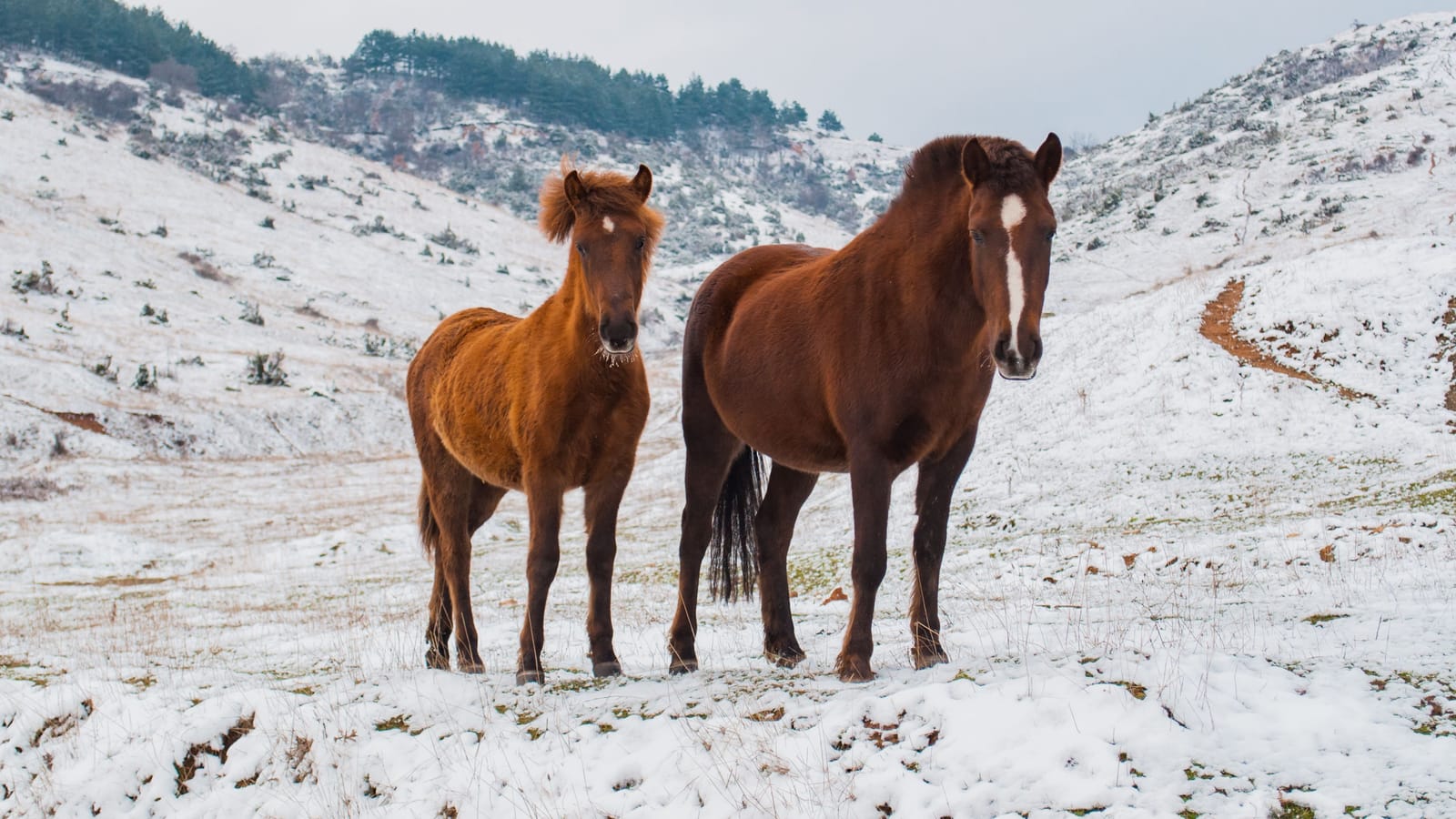
On blankets, be honest with yourself. A healthy, unclipped horse with a thick winter coat, a windbreak and plenty of hay handles serious cold better than most people believe. Hay fermenting in the gut is a furnace. A blanket flattens the coat and kills its loft, so once you start, you're committed for the season. Blanket the clipped horse, the hard keeper, the old-timer, the one standing out in freezing rain with no shelter. And check underneath every day, because a blanket that's soaked on the inside is worse than no blanket at all.
Summer flips it. Work them early, hose them off and scrape the water away instead of letting it sit and steam, and pay attention to any horse that stops sweating in the heat. A hot horse that's dry is a problem, and your vet wants to hear about it that day.
Weather doesn't negotiate, and the animal can't tell you. That part's your job.
Wes Dunbar
Country & Skills
Grew up on an acreage and never quite left. Covers trucks, trades, land, and how to do the thing yourself.

Watch
Watch how it's done
Picked for this article.
From channels we rate. Plays on YouTube.
Rescue Vet
Heat stroke in dogs! Prevention & symptoms | ASK THE VET with Dr Scott Miller
Dr. Lera @ Heron Lakes Animal Hospital
Heat Stroke in Dogs | Vet Tips
Read next