
Your house is the backup plan. Treat it like one.
Home equity can cover a bad stretch in retirement. Used in the wrong order, it can cost you the house. Here's how the options work and when to move.
Quick answer: Home equity is a reserve, not an income plan. Set up any credit line while you're still earning, spend savings and cut costs first, and talk to a fee-only fiduciary adviser before you borrow against the house or sell it.
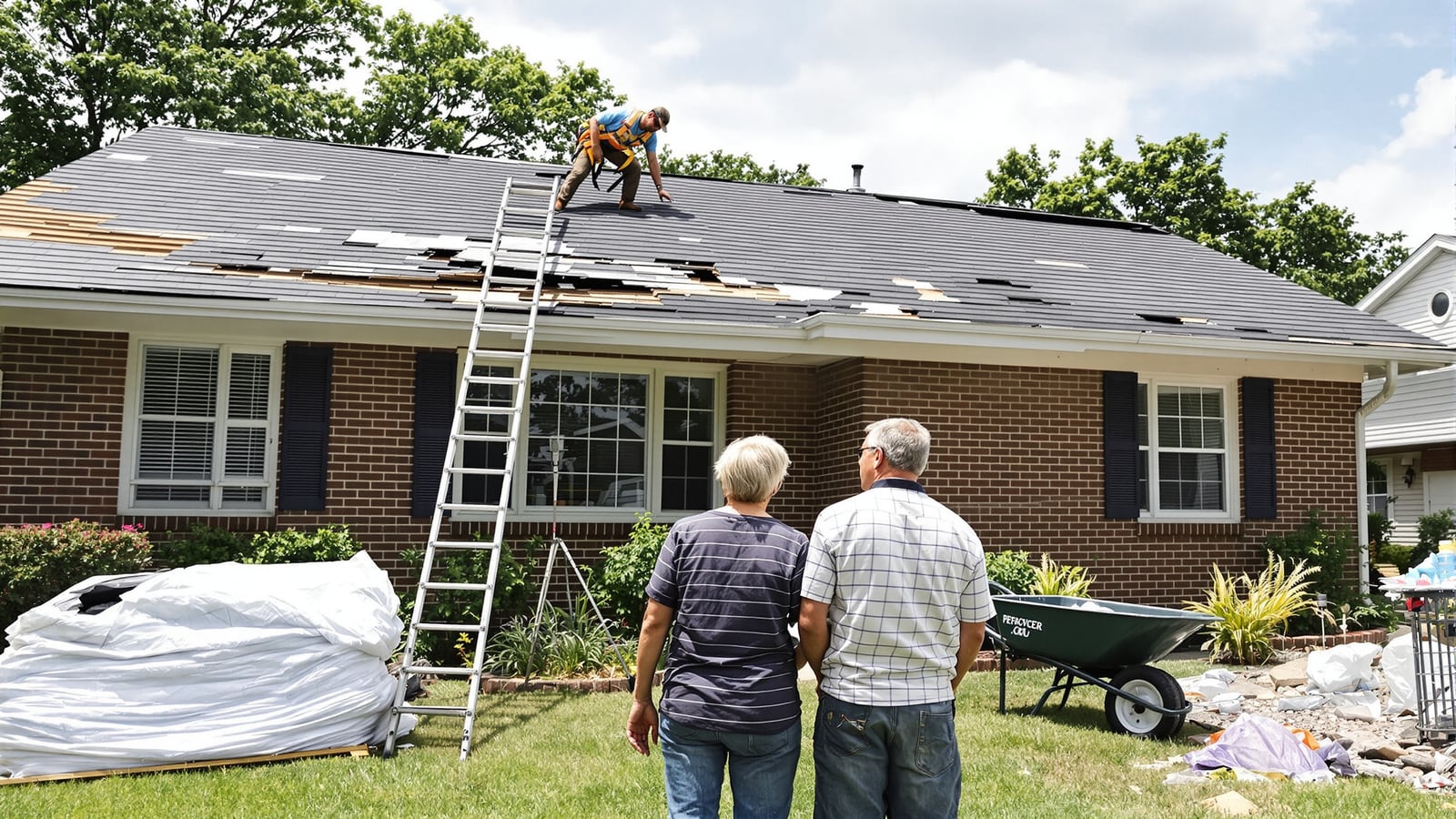
Picture a couple, both 71, paid-off house, decent savings. The market drops hard in year two of retirement. Then the roof goes, and one of them needs a procedure that Medicare covers only in part. Nobody did anything foolish. It's still a bad stretch.
For a lot of retirees, the house is the biggest asset they own and the one they've thought about least. This is about how to use it when you have to, and how to avoid using it when you don't.
This is general education, not individual financial, legal or tax advice. Rules, limits and ages change. Check IRS.gov, SSA.gov and Medicare.gov for the current numbers, and sit down with a fee-only fiduciary adviser, a CPA or an estate attorney before you act.
The best time to arrange a loan is when you don't need one
A home equity line of credit, or HELOC, works like a credit card secured by your house. You borrow what you need, up to a limit, and pay interest on what you've drawn. Rates on most HELOCs are variable, so the payment can move.
The catch is the timing. Lenders look at income. A 58-year-old with a paycheck gets approved easily. The same person at 68, living on withdrawals and Social Security, may not. And in a downturn, a lender can freeze or shrink a line that's already open. Read that clause before you sign.
So if you're within a few years of retiring and you own your home, ask a lender what you'd qualify for today. Open the line, leave it at zero, and pay any small annual fee it carries. It's cheap insurance. Think of it as a spare tire.
A home equity loan is the other version. You get a lump sum at a fixed rate and a fixed monthly payment. That payment is the problem in retirement. You're covering a bill with borrowed money, then adding a new bill on top of it.
On taxes, interest on these loans is generally deductible only when the money goes into buying, building or improving the home. Ask your CPA and check IRS.gov.
The order things go in
When retirement goes sideways, the house comes later in the line than most people think.
- Trim spending first. The trip, the second vehicle, the subscriptions. A few months of lean living costs nothing.
- Use the cash buffer. Money held in cash exists so you don't sell investments at a low point. Which account you spend from first matters here too, because the tax bill changes with the order.
- Then look at the house, as a bridge across a rough patch or a permanent change in how you live.
Borrowing to bridge a short gap is one thing. Borrowing every year to cover a budget that doesn't balance is another, and that's a spending problem the house can't fix for long.
Selling and moving is the plain option
It's not glamorous. It works.
Say you sell for $450,000 and buy a smaller place for $300,000. Selling costs and moving might run $45,000. That's a made-up example, not a forecast. You'd walk away with roughly $105,000 in cash, and your property taxes, insurance and upkeep probably drop too.
You also get a tax break many people don't know about. When you sell a primary residence you've owned and lived in for at least two of the last five years, a large part of the gain is generally excluded from tax. The amount differs for single filers and married couples filing jointly, and it's been the same for years, but check IRS.gov for the current figures and the exact tests.
The trade-offs are real. Moving costs money, and so does a bad choice of town. You may leave your church, your doctor and your neighbors. If you're thinking about a smaller community, read what to check before you retire to a small town first. Closing the hospital's emergency room isn't something you can fix after you've signed.
One more option for people who want to stay: rent out a basement apartment or a spare room. Check local zoning and talk to your insurance agent first.
A reverse mortgage is a tool with sharp edges
A reverse mortgage lets homeowners 62 and older borrow against their equity without a monthly mortgage payment. The most common kind is the federally insured Home Equity Conversion Mortgage, or HECM. You can take a lump sum, monthly payments, a line of credit, or a mix. The loan comes due when the last borrower dies, sells or moves out for good.
Know what you're getting into.
- You keep paying the house. Property taxes, homeowners insurance and maintenance stay on you. Fall behind and the lender can call the loan due. That's how people lose homes with these.
- It's expensive up front. Origination fees, insurance premiums and closing costs can add up to thousands of dollars. Ask for every fee in writing.
- The balance grows. Interest is added to what you owe, so your equity shrinks over time. Your heirs inherit the house with a loan against it. HECMs are generally non-recourse, which means the debt can't exceed the home's value, but check the terms on your own loan.
- Spouses need care. If one spouse isn't on the loan, protections for a surviving spouse are narrower. Both spouses should understand exactly who is named, and why.
- Counseling is required with a HUD-approved counselor before a HECM. Use it. Ask hard questions.
Proceeds from a reverse mortgage are generally treated as loan advances, not income, so they usually don't touch Social Security or Medicare. They can affect needs-based programs such as Medicaid. Confirm with a professional before you borrow.
Skip the glossy mailers and the TV pitches. If a reverse mortgage fits, a fee-only fiduciary adviser who earns nothing from the loan can tell you so.
What to do this month
If you're still working, call a lender and ask what a HELOC would cost and what limit you'd qualify for. If you're already retired, list what your house actually costs you each year: taxes, insurance, repairs, utilities. That number tells you whether staying is a plan or a habit.
Then read when to pay off the mortgage before you retire, because a mortgage you still owe changes every option above.
The goal isn't to use your equity. The goal is to know where the door is, and that it opens, before the day you need it.
Ray Okonkwo
Money & Business
Former commercial banker turned small-business owner. Covers salary, credit, margins and the arithmetic nobody does before signing.

Watch
Worth an hour of your evening
More from Retirement.
From channels we rate. Plays on YouTube.
Read next