What fathers, uncles and coaches can do that no app can
Grooming starts with attention, not a van. The men already in a kid's life are the ones best placed to out-supply it.
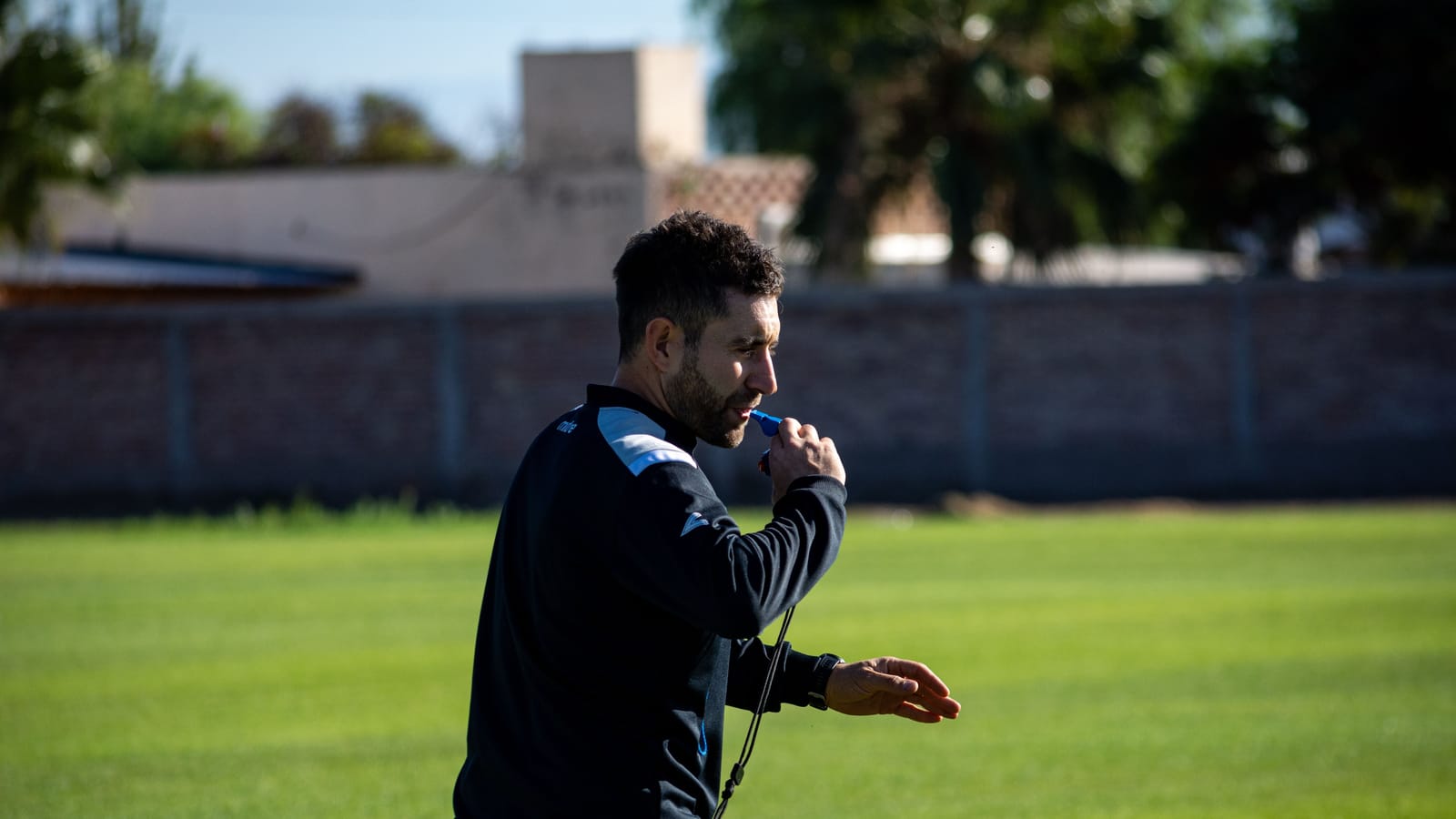
Most grooming doesn't start with a threat. It starts with attention.
Someone notices the kid. Asks about his day, remembers the answer, laughs at the joke nobody at the table laughed at. The Department of Homeland Security's Blue Campaign describes recruitment the same way in its indicator materials: false promises, manufactured affection, gifts, a manufactured sense of being understood. The coercion comes later, once there's something to lose.
Which means the men already in a child's life hold the strongest position on the field. Not because you can spot a predator across a parking lot. Because you can make the vacancy they're applying for disappear.
The role is already open, and somebody will fill it
Every kid has a slot in his head labeled the adult who thinks I'm interesting. If a father, an uncle, a coach or a youth leader is in it, it's occupied. If it's empty at 11 p.m. on a Wednesday, it's a job posting.
This isn't a theory about family structure. It's the operational reality that shows up in how the Department of Justice's Project Safe Childhood cases and NCMEC's CyberTipline reports get described: contact begins where supervision and attention are thin, and it builds on a relationship the child believes is real.
So the work is unglamorous. Show up to the game. Eat dinner at the table. Ask the second question after the one-word answer. A fifteen-year-old who has one adult male he can tell an embarrassing thing to is a much harder target than one who has none, and no parental control app on earth moves that number.
Most of them aren't strangers
The picture in most people's heads is a stranger and a vehicle. Polaris Project, which operates the National Human Trafficking Hotline, has said for years that the abduction scenario is rare compared with what they actually hear: recruitment by someone the victim already knows. A boyfriend. A family member. A friend of a friend. Someone met online who spent weeks being kind first.
That matters for how you supervise. If you're only watching the mall, you're watching the wrong room. The higher-traffic entrance is the phone in the kid's hand at midnight, and the second-highest is the adult with unsupervised, unaccountable one-on-one access. Coaches know this. So do pastors, scoutmasters and anyone who's sat through a background-check renewal.
And here's the part that stings a little: good men sometimes back away from youth work because they're tired of being looked at sideways. Don't. The answer isn't fewer men in the gym and the church basement. It's clearer rules, applied to everybody, including you.
Rules that protect the kid and protect you
Any organization that works with minors should have these written down. If yours doesn't, you can be the guy who asks why at the next board meeting.
- Two adults, always. No closed-door, one-on-one meetings with a child who isn't yours. Glass in the door, or the door stays open.
- No private digital channels. Adult-to-minor contact goes through a group thread or copies a parent. Not Snapchat. Not a DM that disappears.
- Rides get a second passenger or a text to the parent before and after.
- Gifts go through parents. An adult quietly giving a kid a phone, a prepaid card or clothes is one of the indicators DHS's Blue Campaign lists for a reason.
- Background checks and references, renewed, not done once in 2019 and filed.
None of this insults a decent man. It removes the ambiguity that a bad one needs, and it gives you a clean record if you're ever accused. I'd rather explain a policy than an allegation.
Teach the boys the script before they need it
In December 2022, the FBI, Homeland Security Investigations and NCMEC issued a joint national public safety alert about financial sextortion schemes targeting minors, with teenage boys singled out as the group being hit. The setup is a fake account, fast flattery, a request for an image, then demands for money.
Boys don't tell their fathers about this. They pay, panic, and pay again.
So install the script in advance, on a normal day, in the truck. Say it plainly: If anyone online ever threatens you over a picture, you come to me. I won't be angry. You won't be in trouble. We'll handle it together. Then give him the three moves the FBI tells people to make: stop communicating, don't pay, and don't delete anything, because the messages and account details are evidence.
Then tell him the last step, and make sure he believes it: the image can come down. NCMEC runs a free service called Take It Down at takeitdown.ncmec.org for exactly this. A kid who knows the situation is survivable is a kid who talks.
What an uncle is for
Every child needs a second adult. Not a replacement for dad. A backup line.
There are things a sixteen-year-old will say to his uncle at a job site that he'd never say across the kitchen table, and that's not a failure of parenting, it's how teenagers work. If you're the uncle, the family friend, the deacon, the assistant coach, take the role seriously. Learn the kid's friends' names. Text him on his birthday. Tell his parents you're around.
And if you're the father, recruit that man on purpose. Pick him, vet him, and tell your son who he is. An unassigned role gets filled by whoever applies.
Notice the flat things
Nobody sees a crime happen. What people see is a pattern that stopped making sense:
- A second phone the parents didn't buy.
- New clothes, shoes or cash with a vague story attached.
- A significantly older "friend," online or off, who nobody in the family has met.
- Sudden secrecy about accounts, or a kid who panics when the phone is face-up.
- A teammate who's suddenly exhausted, withdrawn, dropping out of everything, or repeatedly running away. Missing kids are the ones traffickers work hardest to reach, which is why NCMEC treats a runaway report as urgent rather than routine.
One of these means ask a question. Several together means call somebody who does this for a living. You're not accusing anyone. You're handing information to people with a case file.
"Defend the poor and fatherless: do justice to the afflicted and needy. Deliver the poor and needy: rid them out of the hand of the wicked." (Psalm 82:3-4, KJV)
Do these this week
Write the two-adult rule into your team or ministry handbook. Have the sextortion conversation with your son and your daughter, tonight, before the season's first away game. Ask your brother to be the backup number. And if you want to give money or hours, check the organization first: in the U.S., verify tax-exempt status through the IRS Tax Exempt Organization Search; in Canada, use the CRA's List of Charities. Give to groups that have been doing this for years and can tell you what your money buys.
If something is wrong:
In the U.S., call 911 for immediate danger, the National Human Trafficking Hotline at 1-888-373-7888 (text 233733), and report online exploitation to the NCMEC CyberTipline at report.cybertip.org or 1-800-843-5678. In Canada, call 911 or the Canadian Human Trafficking Hotline at 1-833-900-1010.
Be the man who's easy to tell. That's the whole job, and it's open every day.
Cal Brennan
Fitness
Strength coach. Trains fathers, tradesmen and desk workers, which means programs that survive a bad week.

Watch
Worth an hour of your evening
More from Protect the Children.
From channels we rate. Plays on YouTube.
Read next