The man who talks last gets followed first
Listening isn't passive. It's how you learn what your people need, and it's why they'll trust you when you finally make the call.
Quick answer: Ask a question, then ask a second one about the answer. Wait four seconds before you reply. If you hold rank in the room, speak last. Then decide and say so plainly. People follow the man who made them feel heard and then acted.
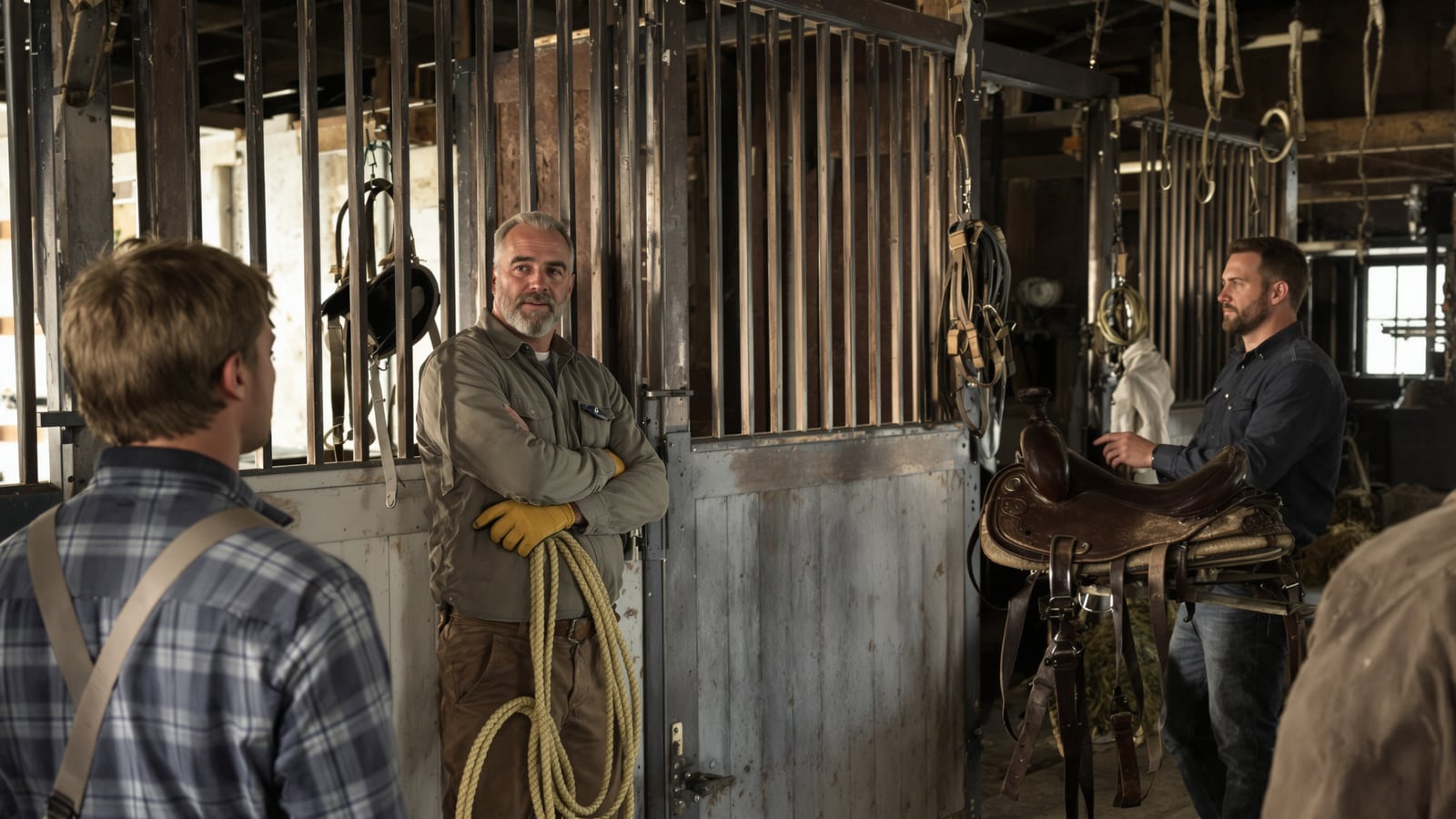
Watch any crew on a lunch break and you can tell who really runs it. It's rarely the loudest guy. It's the one the others drift toward when something's wrong. He's usually halfway through a sandwich, saying very little, and every man there knows he's been paying attention.
Why the quiet one gets followed
Talking tells people about you. Listening tells you about them.
The man who knows his people has a real advantage. He knows one guy's truck is dying and he's too proud to say so. He knows another is dreading a doctor's call. He knows the new kid is smarter than he's letting on. So when he gives an order or a piece of advice, it fits. The loud man is guessing, and people can feel the guess.
There's also plain dignity in it. Being heard out by a man who doesn't have to hear you out is rare. Men remember it for years. They'll follow him through a bad quarter or a hard winter because he never made them feel like a problem to be managed.
How to do it on purpose
Most of us think we're decent listeners. We're mostly waiting for our turn. Try the mechanics instead.
- Ask one open question. "What's the hardest part of this job right now?" beats "Everything going okay?" The second one gets you "Fine."
- Ask a second question about the answer. Almost nobody does. The first answer is the polite one. The real one sits behind the follow-up: "What do you mean, nobody told you?"
- Wait. When he stops talking, count four in your head before you say anything. People fill silence with the true thing.
- Say it back in your own words. "So the schedule changed twice and nobody called you." If you got it wrong, he'll correct you, and now you've got it right.
- Speak last. If you're the boss, the oldest, or the dad, your opinion lands like a ruling. Say it first and the conversation is over. Say it last and you've heard everything the room had to offer.
The annoying part
It feels like losing. For the first week or two, you'll sit through a conversation and feel useless because you didn't contribute a thing. You'll hear something wrong and want to correct it on the spot. You'll hear a problem you could fix in thirty seconds and have to let the man finish describing it anyway.
Do it anyway. Keep your eyes on him and your phone face down. The urge to jump in is the habit you're breaking, and it's a strong one.
At home it matters more
Your wife tells you the day was a mess. You've got a solution ready in eleven seconds. Often she didn't ask for one. She wanted somebody to hear it. If you can't tell which, ask: "Do you want me to help with this, or do you just need me to hear it?" It's a good question, and she'll notice you asked.
Same with the kids. Your eight-year-old will talk for twenty minutes about a video game you couldn't care less about. That's a door being held open. The boy who's heard at eight is the one who still talks to you at sixteen, when the subject is something that matters.
Listening is also the quiet engine behind two things we've written about. A man who hears the whole story before he reacts rarely blows up, which is half of keeping your temper. And you can't give a real apology for something you haven't first listened to. Most bad apologies come from men who skipped that step.
Listening isn't folding
Here's the trade-off, and it's a real one. Some moments don't want a listener. A kid steps toward the road, a stranger's at your door at night, someone's frozen on a job site with a load swinging. You talk, loud and short, and people do it. Nobody resents that. They want it.
And a man who only listens is a suggestion box. People don't follow a box. They follow a man who takes in everything, weighs it, and then makes the call and owns it. That's part of the weight of duty. Somebody has to decide, and it's usually you.
Hearing a man out also doesn't mean you agree with him. You can sit through a full complaint and still say, "I heard you. The answer's no." Say it kindly and say it once. The listening is what makes the no tolerable. It's also what keeps you from being walked over, because you've shown you're fair and he can't claim you never gave him a chance.
Start with one conversation
Pick the person you talk at most. Your son, your wife, the guy who works beside you. Next time, ask a real question and then a second one. Keep your mouth shut for four seconds after he stops.
Afterward, ask yourself what you learned that you didn't know that morning. If the answer is nothing, you were the only one talking.
Men will follow a loud man for a week. They'll follow the one who listened for the rest of their lives.
Marcus Vale
Editor-in-Chief
Twenty years in magazines, most of it deciding what to cut. Writes about work, discipline and the decisions that compound.

Watch
Watch how it's done
Picked for this article.
From channels we rate. Plays on YouTube.
TED-Ed
4 things all great listeners know
TEDx Talks
How to be a better listener | Julian Treasure | TEDxManchester
Read next