Dressing for 28 degrees at seven and 58 by two
The mistake is dressing for the thermometer you see at dawn. Layer for the hour you'll be working hardest, and decide in advance where the coat goes.
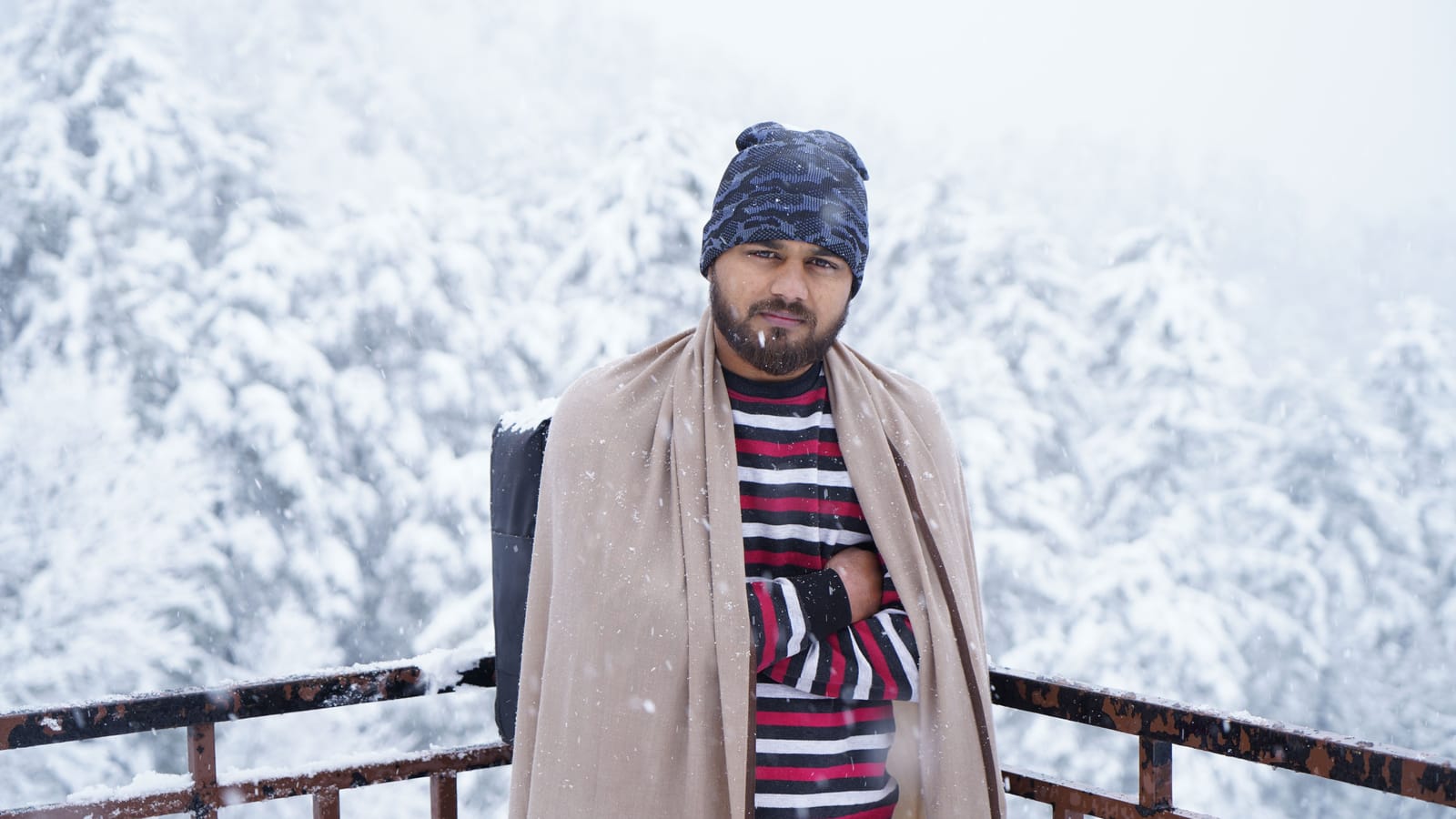
Dress for ten o'clock, not seven.
At dawn it's 28 and the grass crunches. By two in the afternoon it's pushing 58 and the south side of every hedge has been dry for hours. The man who dresses for 28 spends the middle of the day carrying his own clothing around in his arms, or worse, wearing it and sweating into it. Then the sun drops behind the tree line at four and he's colder than he was at breakfast, because everything he owns is damp.
That's the whole problem. Not the cold. The sweat you make at eleven and have to live in at four.
Three layers, and a plan for the one you take off
You need a base, a mid, and a shell. If you're reaching for a fifth layer, you own the wrong three.
The base sits on skin and its only job is to move moisture off you. Merino wool around 150 to 200 gsm does this and keeps doing it when it's damp. Synthetic base layers work too and cost less, though they hold odor by the third day. Cotton next to skin is the single worst decision available in this weather. A cotton t-shirt under a coat soaks up everything you produce splitting wood and then hands it straight back to you as a chill the moment you stop moving.
The mid layer is the one that comes off. Pick it on that basis. A grid fleece stuffs into a bag. A wool overshirt doesn't compress at all but you can wear it open, which is halfway to taking it off. A light down vest keeps your core warm while your arms dump heat, which is the right trade if you're swinging anything.
The shell handles wind and wet, and nothing else. On a still, dry, frosty morning you may not need it at all once you're moving.
Where the layer goes matters more than what it's
Nobody tells you this part, and it ruins more mornings than bad fabric.
You strip off the fleece three fields from the truck. Now what? Tied around the waist it catches on wire and drags in the mud. Hung on a gatepost it stays there. Stuffed down the front of a jacket it turns you into a barrel and you can't bend.
So decide before you leave the house. Either the mid layer compresses into something you're already carrying, or you don't bring it. A small pack with a compression strap on the outside solves it permanently. A bungee across the quad rack works. So does planning your morning so you loop back past the truck around ten, which is when you'll want to shed anyway.
The corollary: if there's no way to carry it, start colder and skip the layer. You'll be uncomfortable for fifteen minutes. That's cheaper than the alternative.
Start cold on purpose
Walk out the door slightly underdressed and give it ten minutes of work.
If you leave the house comfortable at 28, you're overdressed for everything that comes after. Your body puts out real heat once you're moving, and the gap between standing still and working hard is larger than the gap between morning and afternoon. Fifteen degrees of it, easily, and you generate that within the first two hundred yards.
The feeling you're after at the gate is "I'd rather be indoors." By the time you've walked the fence line, it's gone.
Vent before you strip
Full layers are a blunt instrument. Most of your temperature control lives in the small openings, and using them saves you from having to take anything off at all.
- Cuffs. Unbutton or push up. Blood runs close to the surface at the wrist and you'll feel it in under a minute.
- Collar and zip. A jacket unzipped six inches dumps a surprising amount of heat up and out.
- Hat. The fastest cooling available to a man standing still. Off, into a pocket, back on when you stop.
- Waist hem. Untuck the shirt. Chimney effect, and it costs nothing.
Work the small stuff in that order. Hat, zip, cuffs, then the layer. Most mornings you never get to the layer.
Hands, feet, neck
A pair of thin liner gloves under a heavy pair beats one thick pair, because at ten o'clock you take the heavy pair off and can still handle a wrench without losing skin to cold steel. Thin liners also let you use a phone, which matters when you're trying to tell somebody which gate you're at.
Feet are the opposite of everything else. Don't add layers. One good pair of wool socks, mid or heavy weight, in a boot with room for them. Two pairs crush the air out of both and squeeze your foot, and a squeezed foot is a cold foot no matter what you've wrapped it in. If your feet are cold in the morning and hot at noon, the fix is a lighter sock and a looser lacing, not more sock.
A neck gaiter is the most efficient thing you can carry. It weighs nothing, it lives in a pocket, and pulling it up or down changes how warm you feel more than a whole jacket does.
When to ignore all of this
If you're going to be still, invert the advice.
Sitting in a stand at first light, standing at a livestock sale, watching a kid's game from the sideline in November. You aren't generating heat, so you need bulk, and you won't have to carry it because you're not walking anywhere. Take the heavy coat. Take the insulated bibs. Take a second pair of gloves. The sweat problem doesn't exist when you're not working, and the warm afternoon is a gift rather than a hazard.
Cotton gets a pass here too. A flannel shirt on a dry, still day when you're mostly standing is fine, and it's more pleasant against the skin than anything synthetic. Waxed cotton is much the same. It breathes poorly and it's heavy, so it's a bad choice for hauling brush, and it's an excellent choice for standing in wind and thorn for three hours.
Kids
Same system, one change. Children won't carry the layer they take off, and they won't tell you they're hot until they're soaked.
Give them a vest as the mid layer rather than a jacket, so their arms can dump heat while their chest stays warm, and check the back of their neck around ten. Damp means strip something now. Take one bag for discarded clothing and make it the rule that everything goes in the bag, because otherwise you're driving home missing a glove and a hat.
Decide where the coat goes before you leave. Every man I know has left a good fleece on a gatepost at least once. You only do it twice.
Tobias Reed
Style & Grooming
Spent a decade in menswear retail watching men buy the wrong size. Believes fit is ninety per cent of it and says so weekly.

Watch
Watch how it's done
Picked for this article.
From channels we rate. Plays on YouTube.
Clay Hayes
Cold Weather Tips | Choosing and Layering Winter Clothes
SpiritusSystems
Cold Weather Layering: Part 1 - How to Choose a Base Layer
Read next