

Will or trust: where your crypto sits decides which one
Your estate plan can be airtight on paper and still leave your family locked out of your bitcoin. Here's how to tell what needs changing.
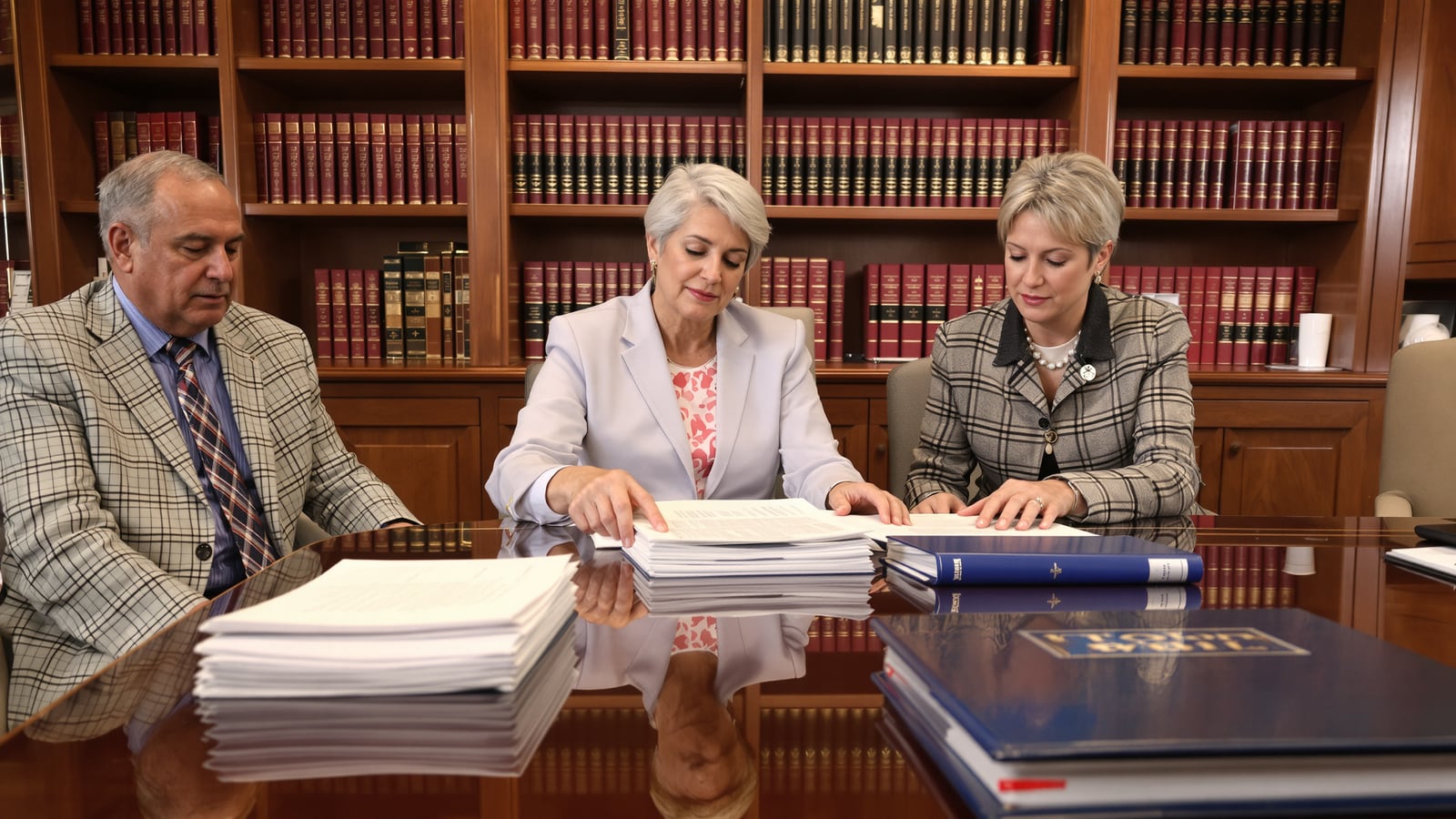
Quick answer: Don't start with the document. Start with how each holding is titled and who can actually access it. A will controls what's in your name alone. A trust controls only what's been put into it. And neither one should ever contain your seed phrase.
This is general education, not legal advice. An estate attorney in your state makes the final call, and by the end of this piece you'll know what to ask.
Sort what you own into piles
Write down every place crypto lives. Most people have more than they remember. For each one, note who legally holds it.
- Exchange account in your name. The company holds the coins. You hold a claim against the company, and your login is the door.
- Self-custody wallet. A hardware device or app where you hold the keys. Nobody's name is on it. Whoever has the keys controls it.
- Crypto in an IRA or other retirement account. The custodian holds it, and a beneficiary designation on file decides who gets it.
- Joint account. Usually passes to the surviving owner by the account terms, whatever your will says.
- Business or LLC holdings. The ownership interest is what passes, and the operating agreement matters.
That list does more work than the documents do. A will can't override a beneficiary designation or a survivorship clause. If most of your crypto sits in the last three piles, a will update may change nothing.
If all you have is a will
A will covers what's in your name alone and has no other instructions attached. It's carried out by your executor through probate, which is a court process, and probate records are generally public.
Three questions for your will:
- Does it mention digital assets at all? Many wills written before 2015 say "all my personal property" and stop there. That can work. Language that names digital assets and gives your executor authority over them works better.
- Is your executor someone who can handle it? An executor who has never opened an exchange account is going to struggle. You can name a second person to assist, or choose a different executor.
- Is there anything in the will that shouldn't be? Don't put wallet addresses, passwords or recovery words in it. Once it's filed in probate, it can become a public record. Anyone who reads those words can empty the wallet.
Most states have adopted a version of a law on fiduciary access to digital assets, which gives your executor a legal route to accounts when you've authorized it. That helps with an exchange login. It does nothing for a hardware wallet in a sock drawer. The law can't produce keys that nobody wrote down.
If your will already covers digital property and the executor makes sense, a will update may be a minor tweak. If it's silent and you hold real money in crypto, update it.
If you have a trust
Here, the question changes. A revocable living trust doesn't help your family unless the asset is in it. Most trust failures come from this gap. The trust gets signed, the lawyer's folder goes on a shelf, and nothing gets retitled.
For crypto, "funding" usually means one of two things. Exchange accounts can sometimes be retitled to the trust, depending on the exchange's rules, and you'd ask the exchange directly. Self-custody holdings, which have no title to change, are usually covered by a written assignment in which you transfer your digital assets to the trust. That assignment often takes the form of a schedule you can add to as you buy.
So ask your attorney:
- Does my trust define digital assets and give the trustee authority over them?
- Do I have a signed assignment that covers crypto, including coins I buy later?
- Does my pour-over will catch anything I forgot to fund?
If your trust is well drafted and you've never listed your crypto on a schedule, you probably don't need a full amendment. You need to update the paperwork that points to it. If the trust has no digital-asset powers, an amendment is the fix, and it's usually a short one.
The tiebreaker
Still unsure? Use this.
Update the will if you have no trust, your will doesn't mention digital property, or you want to change who handles things.
Amend or update the trust if you already have one and it's missing digital-asset powers, or your holdings aren't assigned to it.
Fix the beneficiary forms if the money sits in a retirement account or a joint account. A new will changes nothing there.
Do more than one if your situation mixes these, which is common. A man with a trust, a hardware wallet and a crypto IRA has three different things to fix.
The gap no document closes
Say you've done everything right. The will is current and the trust is funded. Your wife is the successor trustee. You die, and she finds a small metal device with no label.
She has the legal authority and no way in.
Neither a will nor a trust is a place to store access. What you need is a separate set of instructions, kept apart from both. It should say what you own, where it is, what the device is, and how a trusted person gets in. The recovery words go in a secure physical location, such as a fire-rated safe or a safe-deposit box, and your attorney or executor knows where to find it. Think of it as a map to the vault, not the vault itself.
We cover the paper side in The biggest threat to your crypto is your own filing system. If you're still getting your footing with the asset itself, start with Bitcoin, explained for somebody who skipped the last decade.
And never hand your recovery words to anyone who contacts you offering "estate help." The crypto scams that catch careful people too explains why.
Taxes, briefly
Heirs may care about the cost basis of what they inherit, and the rules on that are for a CPA, not for a magazine. Ask yours whether your records are good enough for your family to work out the numbers. A transaction history that exists only inside an exchange that later shuts down is a problem.
When to revisit it
Put a date on the calendar. Update when any of these happens:
- You move to a different state
- You marry, divorce, or have a child
- You change executors or trustees
- You move coins between exchange and self-custody
- Your crypto becomes a meaningful share of what you own
Bring your pile list to the attorney. Bring a printout of the current will and trust too. The meeting will take less time and cost less. Ask the attorney, in plain words, who can reach what if you're gone tomorrow.
Then go home and check that the answer is true. A plan your family can't open isn't a plan, and a man looks after his people, even when he isn't around.
Ray Okonkwo
Money & Business
Former commercial banker turned small-business owner. Covers salary, credit, margins and the arithmetic nobody does before signing.

Watch
Worth an hour of your evening
More from Crypto.
From channels we rate. Plays on YouTube.
Read next