Book The First Dentist Visit At One, Not At Five
The first tooth starts a clock most dads don't know is running. What actually happens at that appointment, and what to ask about fluoride and sealants.
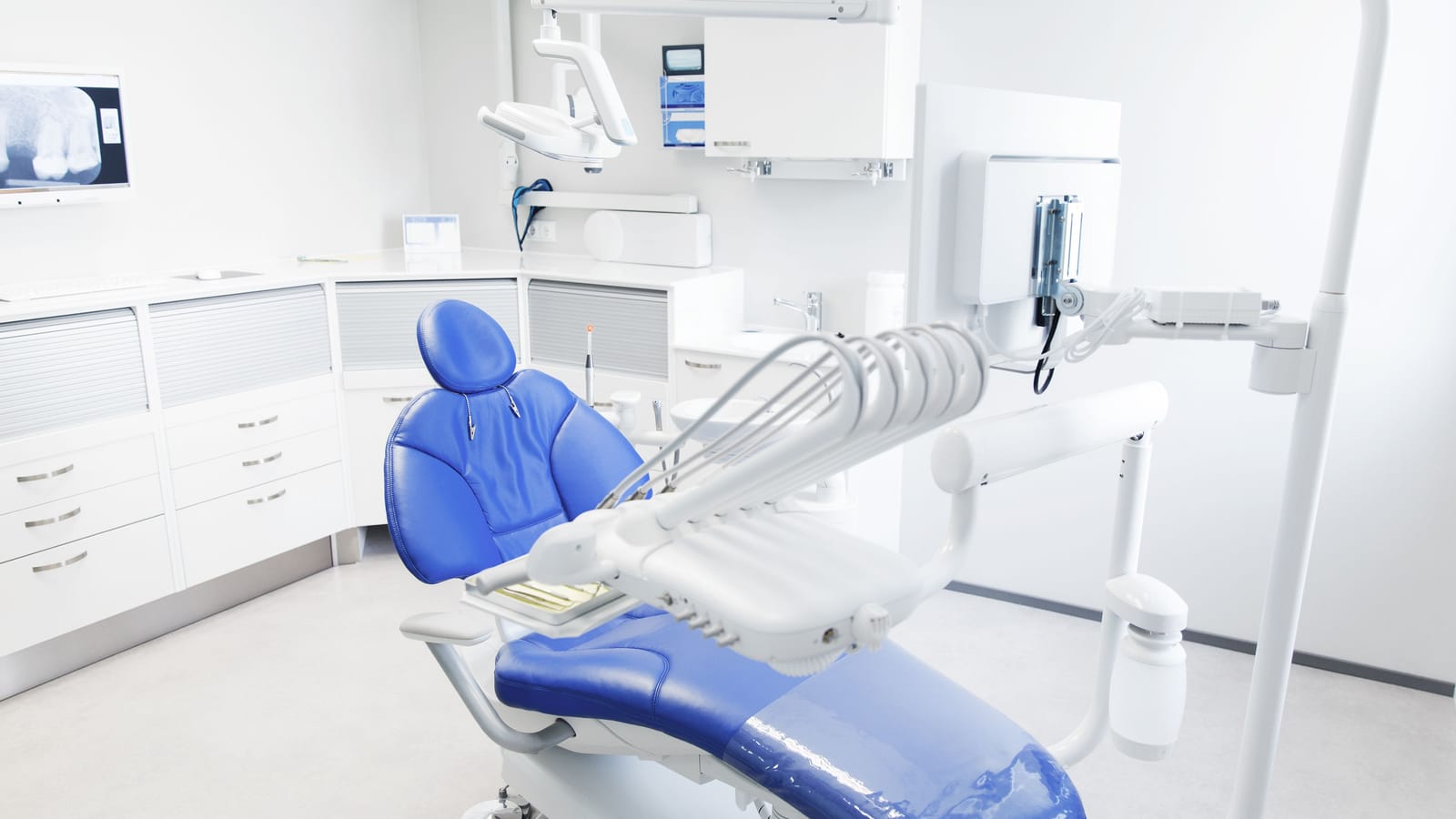
The American Academy of Pediatric Dentistry and the American Academy of Pediatrics both say the same thing: first dental visit by the first birthday, or within six months of the first tooth showing up, whichever comes first. Not kindergarten. Not "when something hurts." One.
Most parents miss it. Not out of neglect. Nobody hands you a card at the hospital that says your kid has a dentist now, and a fourteen-month-old with eight teeth and no complaints doesn't feel like a patient. So the visit slides to two, then three, then the day a molar turns brown and you're pricing sedation.
Go at one. The appointment takes twenty minutes and it's mostly a conversation.
What actually happens at that first visit
It's called a knee-to-knee exam. You sit in a chair facing the dentist, knees touching, and you lay your kid back so their head rests in the dentist's lap and their legs stay in yours. You hold their hands. The dentist looks at every tooth with a light, wipes them with gauze or a brush, maybe paints on fluoride varnish, and sits the kid back up.
Your child will probably scream. Not from pain. From being horizontal, upside down, with a stranger's fingers in their mouth and a bright light in their eyes. Every toddler screams. The hygienist has seen ten thousand of them scream and won't think less of you.
Don't say "it won't hurt." Don't say "no shots today." Don't introduce words the kid didn't have yet. If they ask, you say the dentist counts teeth. That's true, and that's the whole sales pitch.
Book the earliest morning slot you can get. A tired toddler at 3:40 in the afternoon is a different animal, and you already know that.
Bring your face, not just your car
Here's the part worth saying plainly to dads specifically: this tends to become Mom's job by default, and it shouldn't be. Kids read your posture in a medical room faster than they read words. If you've got your own history with dental work, and a lot of men our age do, they will clock it. The jaw, the arms, the way you go quiet.
Take at least half the appointments. Sit in the chair yourself for your own cleaning and let them watch you do it without drama. A six-year-old who has seen his father get his teeth cleaned and then go get a coffee like nothing happened has a very different idea of what a dentist is.
Baby teeth aren't disposable
"They're going to fall out anyway" is the single most expensive sentence in pediatric dentistry.
The second baby molars usually stay in until around age eleven or twelve. That's a decade of chewing. A decayed baby tooth can abscess, and an abscess in a five-year-old is a fever, an antibiotic, and sometimes an extraction. Pull a molar early and the teeth on either side drift into the gap, and now the permanent tooth underneath has nowhere to come in. That's how you end up paying for a space maintainer, and later, more orthodontics than you would have needed.
Cavities in baby teeth also predict cavities in permanent teeth. Same mouth, same bacteria, same habits.
Frequency beats quantity, and that's the whole trick
Every time sugar or starch hits the teeth, the mouth goes acidic for a while and enamel loses minerals. Then saliva brings it back. Decay happens when that cycle runs too many times a day for the saliva to keep up.
Which means a slice of birthday cake, eaten and done, is less destructive than a sippy cup of juice that a toddler carries around from nine to noon. Same sugar. Very different damage. Grazing is the problem.
Practical version:
- Water in the cup between meals. Milk and juice at the table only.
- No bottle or cup in the crib. Ever. Milk pooling on the upper front teeth overnight is the classic pattern, and the dentist will spot it instantly.
- Gummy vitamins and fruit snacks stick in the grooves of molars for a long time. Treat them like candy, because they are.
- If there's dessert, do it right after dinner instead of an hour later. One acid hit instead of two.
Fluoride, without the shouting
Fluoride comes at your kid from up to three directions: toothpaste, drinking water, and the varnish the dentist paints on. The dentist needs to know all three so nobody's guessing.
Toothpaste amounts are specific. Under three, a smear the size of a grain of rice. Three and up, a pea. That's not nutritional caution, it's practical. Small kids swallow toothpaste instead of spitting, and too much swallowed fluoride during the years the permanent teeth are forming can cause fluorosis, which shows up as white flecks or streaks on the adult teeth later. Cosmetic, permanent, avoidable. Squeeze the paste yourself until they're old enough to be trusted, and teach spitting early.
If you're on a private well, get the water tested for fluoride content. You may be at zero, which changes the conversation, or you may be naturally high, which also changes it. Either way, the dentist can't advise you well without that number, and a well test is cheap.
Varnish is the sticky amber stuff they paint on in about thirty seconds. Follow the office's instructions on the card, usually soft food for a few hours and no brushing until the next morning. The kid's teeth will look yellow and slightly fuzzy that evening. It comes off.
If you have reservations about fluoride, say so out loud at the appointment instead of quietly skipping it. There are alternatives, including silver diamine fluoride for arresting decay and different varnish protocols, and a good pediatric dentist would much rather work the problem with you than find out at the next visit that nothing's been happening at home. Ask them what they'd do and why. That's what you're paying for.
Sealants, around six and again around twelve
The first permanent molars come in behind the baby teeth around age six. No tooth falls out to announce it, which is why parents miss them. The second permanent molars arrive around twelve.
Those chewing surfaces have deep pits and grooves narrower than a toothbrush bristle. Food gets in, the brush doesn't. That's where most kid cavities happen, and that's exactly what a sealant covers.
The procedure is nothing. They clean the tooth, dry it, put on an etching gel for a few seconds, rinse, paint on a thin resin, and harden it with a blue light. A few minutes per tooth. No drill, no numbing, no needle. The CDC has funded school-based sealant programs for years because sealed molars just don't decay at the same rate.
Sealants chip and wear. Have them checked at every cleaning and expect to repair one eventually. That's normal maintenance, not failure.
Supervise the brushing longer than feels right
Kids don't have the wrist control to brush their own molars properly until somewhere around seven or eight. Before that, "he brushed his teeth" means he moved a brush around in his mouth.
Two minutes, twice a day. You do it, or you go behind them and do the back teeth yourself. Stand behind them at the mirror with their head tipped back against you and you'll actually see what you're doing. Start flossing when any two teeth touch, because the brush can't reach that contact point no matter how good you are.
Ten years of that's roughly a hundred and twenty hours of your life spent on somebody else's molars. Nobody claps.
The win isn't a spotless checkup when he's four. It's a twenty-six-year-old who books his own cleaning, doesn't flinch when the chair tips back, and has no idea why anyone would be afraid of the room.
Cal Brennan
Fitness
Strength coach. Trains fathers, tradesmen and desk workers, which means programs that survive a bad week.

Watch
Watch how it's done
Picked for this article.
From channels we rate. Plays on YouTube.
MCHD Dentistry
18 month-old Visits the Dentist
Read next