What a kid can actually do at five, eight, eleven and fourteen
Handing over chores costs you time for about three weeks. After that, it pays you back for the next decade.
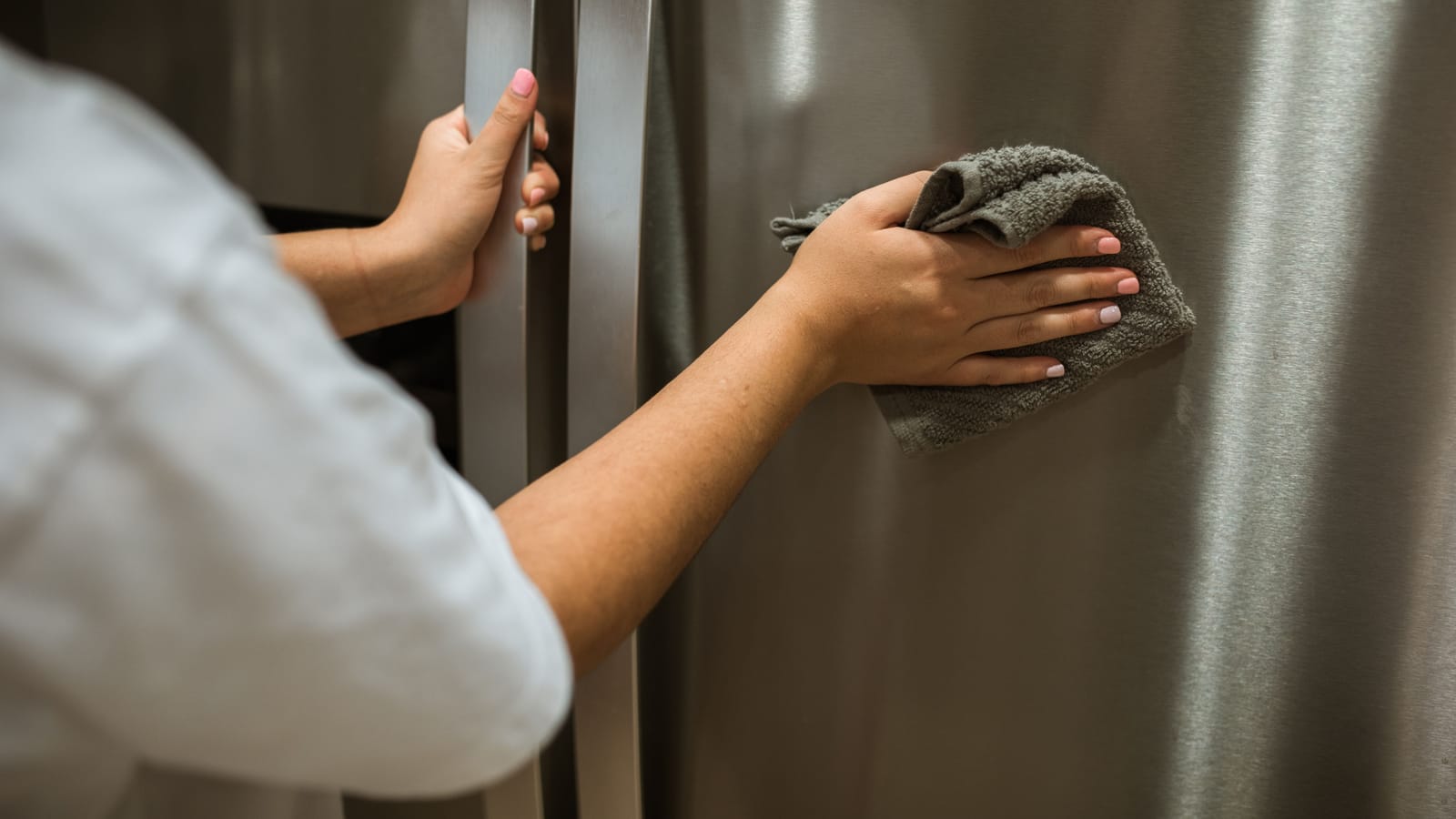
Teaching a five-year-old to set the table takes four times as long as setting it yourself. That's true for about three weeks. Then it's the same. Then it's faster, because you're not doing it at all.
Most dads quit during the three weeks.
The other common failure is handing a kid a job that's too big, watching them do it badly, and concluding they aren't ready. Usually they were ready for a smaller version of it. A five-year-old can't clean a kitchen. A five-year-old can absolutely wipe one table with a damp cloth, and know when it's done, because he can see the crumbs.
Five: the job needs a visible finish line
At five, the limit isn't strength or coordination. It's memory and sequencing. A kid this age can hold about one instruction. Give him three and you'll find him in the hallway holding a sock, genuinely confused about how he got there.
So pick jobs with an obvious end state:
- Carry his plate and cup to the counter after every meal
- Feed the dog from a pre-filled scoop you leave in the bin
- Match socks out of the clean laundry pile
- Put shoes on the rack, not near the rack
- Wipe the table
- Water two specific plants with a small watering can
Get a step stool. Half the reason small kids don't help in a kitchen is that the counter is at chin height and everything happens above the horizon.
Work alongside him at this age. Not supervising. Actually doing the other half of the job next to him, talking about something else. The chore isn't the point at five. The point is that he grows up with the assumption that when the meal ends, everyone moves.
Eight: one job he owns when you're not in the room
This is the real handover. Eight is old enough to complete a task start to finish with nobody watching, which means it's the first age where you find out whether you're actually willing to let go.
What an eight-year-old can do well: unload the entire dishwasher, take out the trash and put a new bag in, vacuum a room, fold towels, feed and water animals unprompted, make himself toast and cereal, strip his bed. Remaking the bed is harder than it sounds. The fitted sheet defeats plenty of adults. Show him the corner trick twice and let him fight it out.
What he can do with you: use a real knife for soft things, wash the car, rake, carry firewood, help hold a board while you cut it.
Pick one job and make it his. Named, permanent, not on a rota. "The dishwasher is yours" beats a chart with stickers, because a chart is a system you have to maintain and a named job is just a fact about the family.
The mistake here's inspecting by redoing. You come down, the cutlery drawer is a disaster, and you silently fix it. He notices. Within two weeks he's doing it at sixty percent because the remaining forty gets done by you anyway.
Send it back instead. "Go look at the drawer again." Don't list the faults. Make him find them. Takes longer, works permanently.
Eleven: multi-step jobs and real consequences
Eleven is where you stop assigning tasks and start assigning outcomes. Not "wipe the counters" but "the kitchen is closed by eight." How he sequences it's his problem.
Reasonable at eleven:
- Cook one simple dinner a week, from a short list he can already make
- Run his own laundry, start to finish, including putting it away
- Clean a bathroom properly, which means the base of the toilet and the mirror, not just the sink
- Pack his own bag for a trip
- Watch a younger sibling for twenty minutes in the house while you're in the yard
Mowing depends entirely on the machine and the kid. A self-propelled walk-behind on a flat lawn is a different thing from a rider on a slope. Some states and counties have rules about minors and powered equipment, and your insurance may have opinions too. Check before you assume.
The packing one matters more than it looks. Let him forget the swim shorts. Don't do a bag check at the door. The consequence of forgetting at eleven is one uncomfortable afternoon; the consequence of never having forgotten is a nineteen-year-old who still can't pack.
Teach both sons and daughters all of it. A boy who can't cook and a girl who's never touched the lawn mower are both being set up to depend on someone. That's not a favor to either of them.
Fourteen: hand over a domain
At fourteen the unit isn't a chore. It's a whole area of the house he's responsible for, including noticing when it needs doing.
Laundry, entirely his own. One dinner a week including the shopping list, which means he has to look in the fridge and plan around what's there. The yard, or the trash and recycling for the whole house, or the bathroom the kids share. Whatever it is, you don't remind him. You notice out loud when it doesn't happen.
This is also the age for the maintenance skills that most adults never pick up, because nobody showed them at the right moment:
- Change a tire on the actual car in the actual driveway, in daylight, before he ever needs to at night
- Find the water shutoff and the breaker panel, and know which breaker is the kitchen
- Plunge a toilet without panicking
- Check oil and tire pressure
- Read the label on a cleaning product and understand why bleach and ammonia never share a bucket
- Patch a small hole in drywall
Teach the ladder rules before the gutter job, not during it.
When he gets a paying job at fifteen or sixteen, the household work doesn't end. It gets renegotiated. He shows you his shift schedule and you work out together which nights he covers. That negotiation is the lesson.
On paying for it
Two workable positions, and reasonable families land in both.
One: baseline chores are unpaid because they're the cost of living here, and extra work beyond the baseline gets paid. Washing the car, clearing the garage, stacking a delivery of wood.
Two: pay an allowance tied to the whole set, and dock it when work doesn't happen.
The first teaches that family work isn't transactional. The second is simpler to run and gives you a clean weekly conversation about money. What doesn't work is paying for some things inconsistently while nagging about others, because then every request becomes a negotiation about rate.
The thing that actually kills it
Not the kids. The reminding.
If the chore only happens when you say the words, you haven't handed over a chore. You've given yourself a new one, and it's worse than the original, because now you're the person who mentions the trash four times a day.
Attach jobs to triggers instead of to your voice. The dishwasher gets emptied before breakfast. The trash goes out Sunday night. Bathroom on Saturday morning before anything else happens. The trigger does the reminding, and the whole thing stops being about your mood.
Expect it to fail in week three anyway. Every system does. You reset it, quietly, and it holds a bit longer the second time.
One morning you'll come down at seven and the dishwasher will already be empty, and you won't know which one of them did it.
Cal Brennan
Fitness
Strength coach. Trains fathers, tradesmen and desk workers, which means programs that survive a bad week.

Watch
Watch how it's done
Picked for this article.
From channels we rate. Plays on YouTube.
Living On A Dime To Grow Rich
Age Appropriate Chores for Kids
Confidently Mom
The NEW Way Smart Parents Assign Chores in 2025 | Age Appropriate Chore Chart Guide
Read next