The Heist and Spy Classics Worth Clearing a Saturday For
Twelve picks, the content concerns named straight, and a running order that gets everybody home before midnight.
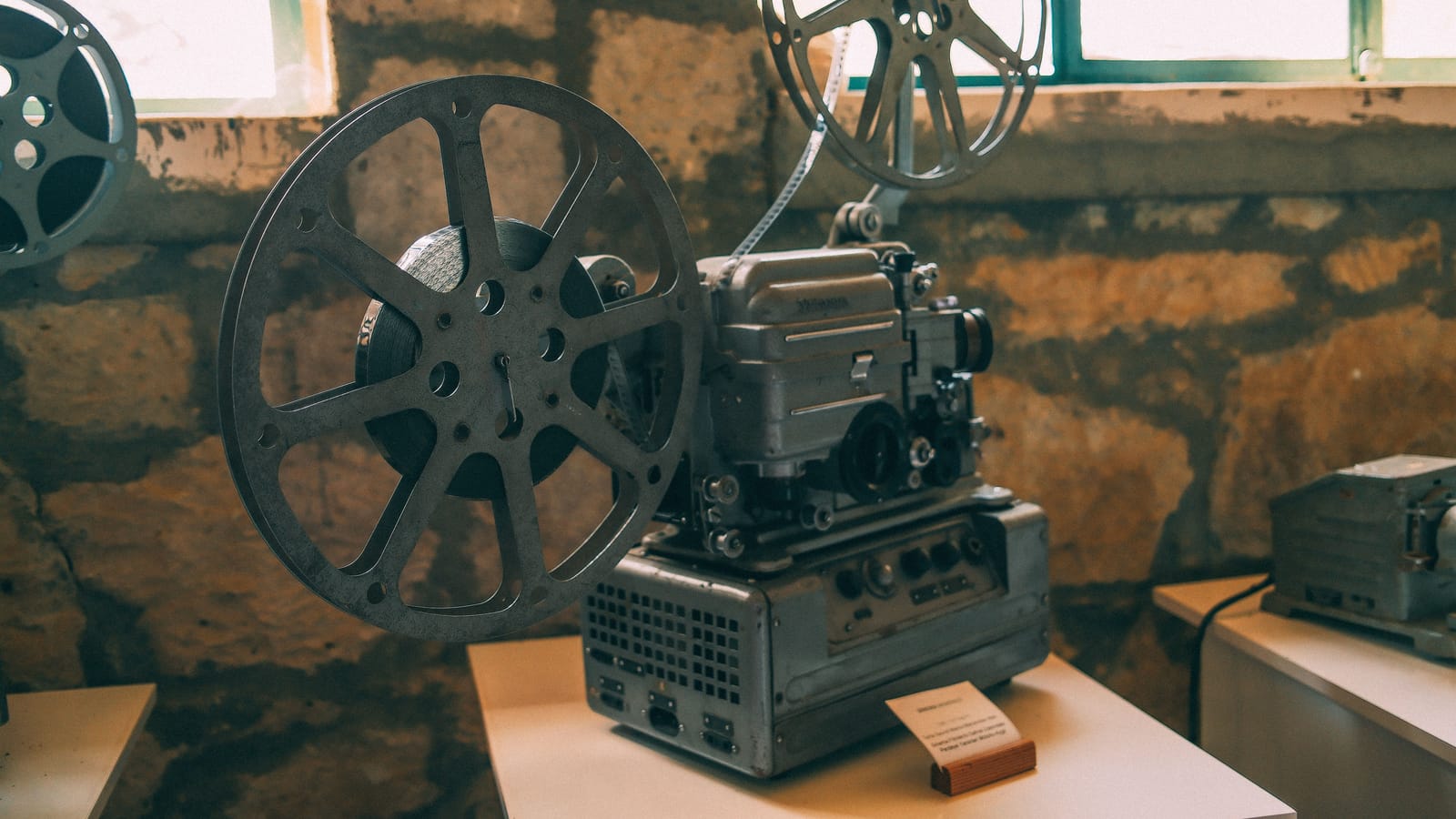
Start with Rififi. Jules Dassin's 1955 French crime picture contains a roughly half-hour burglary sequence with no dialog, no score, and almost no sound at all beyond a chisel, an umbrella and a man breathing. Four guys crack a jewelry store from the apartment above. You won't check your phone once. Real burglars reportedly studied it, which is either film criticism or a review, depending on your line of work.
That sequence is the whole argument for this genre. A heist movie is a competence fantasy with a bill that comes due at the end. Men who are extremely good at something, a plan laid out so you can follow it, then the plan meeting reality. Spy pictures run the same engine with better tailoring.
Below are the ones that hold up, with the content concerns stated plainly so you're not discovering them in front of your brother-in-law.
Three to open with
Rififi (1955, about 118 minutes). Subtitled, black and white, and slow for the first thirty minutes while Dassin sets up four men you'll come to know by their hands. Content: hard violence in the back half, one sequence in which a man beats a woman with a belt, and enough cigarette smoke to season a brisket. Nothing sexual is shown. It's the best-built heist ever filmed and the ending isn't a celebration.
The Asphalt Jungle (1950, about 112 minutes). John Huston's original template. A safecracker, a driver, a "hooligan" with a farm he wants back, and a crooked lawyer financing the job. Content: gunplay, a crooked cop, and a young woman living under an older lawyer's support, which the film makes clear and never shows. Sterling Hayden's last scene will sit on your chest for a week.
The Sting (1973, about 129 minutes, rated PG). Newman and Redford run a long con on a New York mob banker in Depression-era Chicago. Scott Joplin on the piano, title cards, the best final ten minutes in the genre. Content: period violence, mild language, a couple of scenes in an establishment the movie doesn't linger in. Warning worth giving: the con is designed to confuse you. That's the point. Don't let the guy on your left explain it during the movie.
If your crew won't read subtitles
Topkapi (1964, about two hours). Dassin again, this time playing it for laughs. A crew goes after an emerald-studded dagger in an Istanbul museum, and the rope-lowered vault sequence is the direct ancestor of the one Tom Cruise did in 1996. Peter Ustinov won an Oscar for playing the bumbling amateur who gets dragged along. Content is mild throughout, a little flirtation and no violence to speak of.
The Italian Job (1969, about 99 minutes). Michael Caine, a gold shipment in Turin, three Mini Coopers, and a traffic-control computer. The stunt driving is real cars on real stairs and it still plays. Content: a few 1969 attitudes toward women that land as dated, some jailhouse comedy, almost no blood. The ending is a genuine cliffhanger and half your guests will yell at the screen.
Where Eagles Dare (1968, about 158 minutes). Richard Burton and Clint Eastwood infiltrate an Alpine castle to rescue an officer, except the mission isn't the mission and the double-crosses stack four deep. It's a heist film wearing a war movie's coat. Content: an enormous bloodless body count and a cable-car fight that would kill everyone involved twice over. Long. Program it for a night with no early alarm.
The spy shelf
The Third Man (1949, about 104 minutes). Post-war Vienna, a zither score nobody forgets, and Orson Welles delivering the cuckoo-clock speech on a Ferris wheel. It's a black-market racketeering story at heart, and the racket is diluted penicillin sold for children. The film tells you what that did rather than showing it, and it's worse that way. Content: that moral horror, some shooting, a chase in the sewers. No language issues, nothing sexual. If one man in your group thinks old movies are stiff, this is the one that fixes him.
North by Northwest (1959, about 136 minutes). Cary Grant, mistaken identity, a crop duster, Mount Rushmore. Hitchcock at his most purely entertaining. Content: bloodless violence, a great deal of drinking, and innuendo in the train scenes that's done entirely through dialog. Fine for teenagers with a parent in the room.
The Spy Who Came in from the Cold (1965, about 112 minutes). Richard Burton as a burned-out British agent sent on one last job in East Germany. This is le Carré's world, where nobody wins and the tradecraft is paperwork and lying to people who trust you. Content: grim tone, a trial sequence, violence at the close, and a worldview that will start an actual argument afterward. Bleak in the honest way, not the fashionable way.
The Day of the Jackal (1973, about 143 minutes). A procedural: an assassin builds a rifle and a false identity, and a French detective does the unglamorous work of catching him. Two hours and twenty minutes of pure method. Content: it carries a PG from 1973, which tells you how far ratings have moved. There are two brief scenes with nudity, and a few cold, quick killings. Preview it before you invite anybody's fifteen-year-old.
The modern end of the shelf
Mission: Impossible (1996, about 110 minutes, PG-13). The Langley vault break-in is the cleanest suspense sequence made in the last thirty years, and the movie is remarkably tame otherwise. Some violence, minimal language. The plot genuinely doesn't make sense the first time. Nobody has ever cared.
Ocean's Eleven (2001, about 116 minutes, PG-13). Slick, funny, zero body count, a heist you can follow. Content: language, casino setting, and a running plot thread about a man trying to win his ex-wife back from another man, which some of your guests will read one way and some another. It's the easiest sell on this list for a mixed group of ages.
Heat (1995, about 170 minutes, rated R). The downtown shootout is the reason every action director since has hired firearms instructors. It's also three hours long with heavy profanity throughout, brutal violence, and adult storylines running underneath. Grown men only, and only if everyone's committed. The middle sags. The bank robbery doesn't.
Running the night
Do the arithmetic before you send the invite. An 8 p.m. start with a 99-minute movie has people in their trucks by 10. An 8 p.m. start with Where Eagles Dare puts you at 11 with a second hour nobody's tracking.
Turn the subtitles on for everything, not just Rififi. Older mono soundtracks bury dialog, and Burton mumbles.
One pause, announced in advance, at a natural break. Otherwise the night becomes a two-hour conversation with a movie playing behind it.
Best double feature on the list: The Asphalt Jungle into The Sting. Same city archetypes, same trade, opposite endings. You go from a man dying in a Kentucky pasture to Newman grinning through a fake shooting, and the contrast is the entire argument about what these films think of crime.
And if somebody asks why the crooks never get away clean in the good ones, that's not censorship talking. That's the writers being honest about the arithmetic.
Marcus Vale
Editor-in-Chief
Twenty years in magazines, most of it deciding what to cut. Writes about work, discipline and the decisions that compound.

Watch
Official trailers and clips
The studios' own trailers and clips for the titles in this piece.
Official studio videos, matched through TMDB. Plays on YouTube.
Rialto Pictures
RIFIFI - Trailer
Universal Pictures
The Sting | Paul Newman Cons a Con Man in a High-Stakes Poker Game in 4K HDR
Universal Pictures
The Sting | Johnny’s Five Grand Swindle
Read next