Normal hemoglobin doesn't mean your iron is fine
The exhaustion that gets waved off as stress has a specific test, a specific number, and a correction that takes about three months.
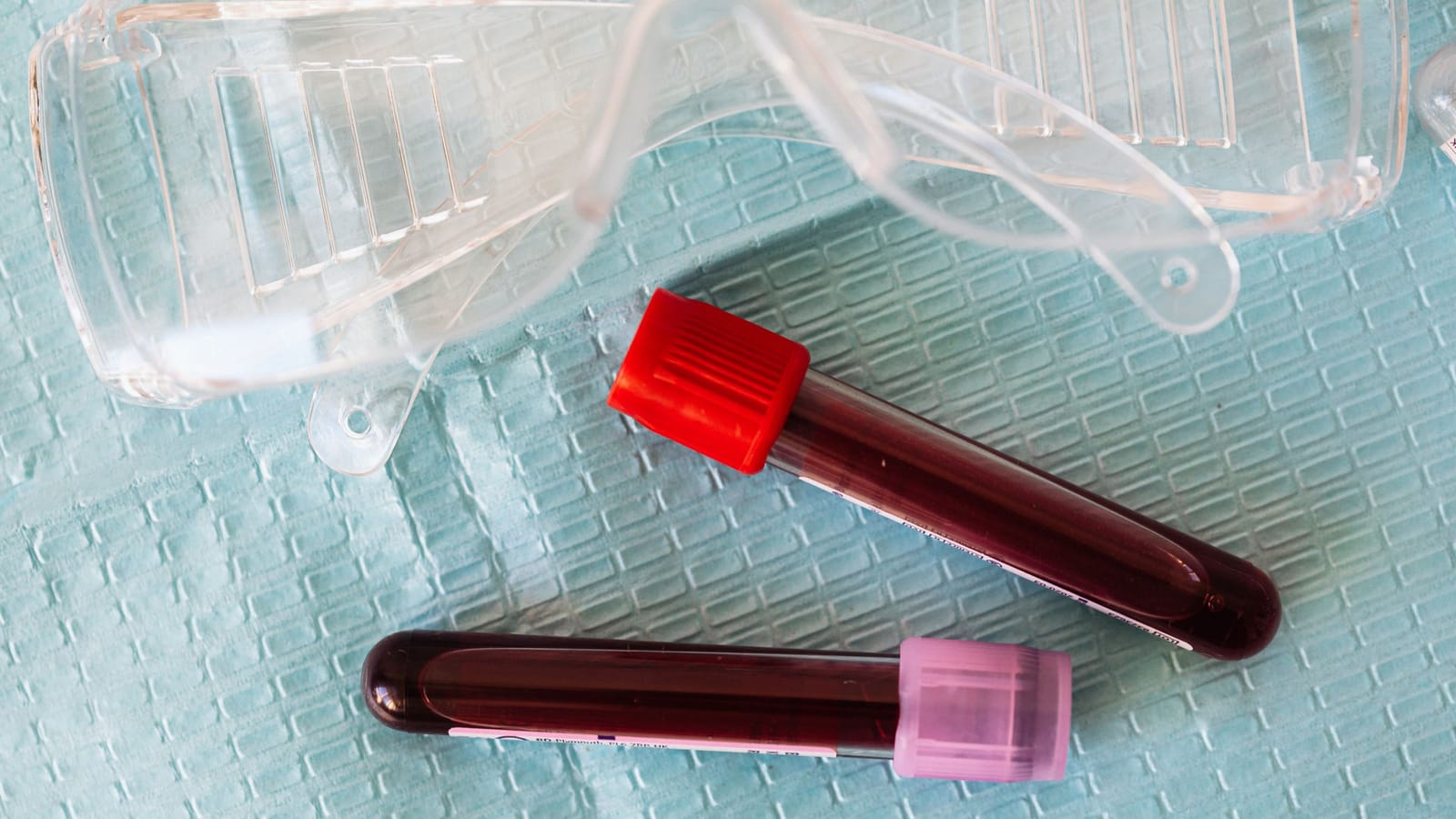
Chewing ice is a symptom.
Not a quirk, not a habit you picked up from the hospital cafeteria. Craving ice, or the smell of a wet gravel driveway, or raw potatoes, is a recognized sign of iron deficiency. So is hair coming out in the shower in amounts that scare you. So is getting winded on one flight of stairs when you were fine on three last spring. So are cold hands in a warm room, brittle nails that split down the middle, and legs that won't hold still at 11 p.m.
And yes, so is being tired in a way that sleep doesn't touch.
That last one gets dismissed constantly, because every woman over thirty is tired and most of us have a good reason to be. But tired with a cause shows up on a lab report. You can find out in one blood draw whether you're running your body on fumes or just running it too hard.
The two numbers, and why one hides the other
Most people get a complete blood count and stop there. Hemoglobin comes back within range, the note says everything looks good, and that's the end of it.
Hemoglobin is the last thing to fall. Your body protects your red blood cells the way you protect the grocery money. It burns through savings first.
Ferritin is the savings. It's the protein that stores iron, and it drops long before you're anemic. You can be flat on your back with a perfectly respectable hemoglobin and a ferritin in the single digits, and nobody has told you anything is wrong because the lab flagged nothing.
Reference ranges make this worse. A lot of labs only flag ferritin as low below 10 or 15 ng/mL. Plenty of clinicians treat symptomatic women well above that, often anywhere under 30, and some go higher when hair loss or restless legs are in the picture. The range printed on the page is a statistical description of the people who got tested at that lab. It's not a verdict on how you feel.
So get the actual number. Not "normal." The number.
What to ask for by name
Walk in and ask for a CBC plus an iron panel with ferritin. The iron panel gives you serum iron, TIBC, and transferrin saturation, which together tell a different story than ferritin alone.
Ask about CRP too, or at least know why it matters. Ferritin rises with inflammation. If you've got an infection, an autoimmune condition, or a joint that's been screaming for a month, ferritin can read falsely reassuring while your stores are empty. A normal ferritin next to a high CRP deserves a second look.
Get a copy of the results on paper or in the portal, and keep them. Six months from now, "it was fine" is useless. "Ferritin 14 in March" is a baseline.
Low iron is itself a symptom
This is the part that gets skipped for women and never gets skipped for men. A 55-year-old man with iron deficiency gets a referral for a scope, because the assumption is he's bleeding somewhere. A 38-year-old woman gets told it's her periods and gets sent home with a bottle of pills.
Sometimes it's her periods. Menstrual loss is the most common cause of iron deficiency in women who are still cycling, and pregnancy takes a serious bite too. But "you're a woman" isn't a diagnosis, and heavy bleeding is itself something to ask about rather than accept.
The other causes are worth ruling in or out, especially if you're past menopause or you don't bleed heavily:
- Celiac disease. Unexplained iron deficiency is one of its classic presentations, sometimes without any stomach complaints at all.
- GI blood loss. Ulcers, polyps, long-term NSAID use for a bad back.
- Low stomach acid from long-term acid reducers. Iron needs acid to absorb.
- Bariatric surgery, which changes where absorption happens.
- Not eating much iron, which is real if you've cut red meat and replaced it with nothing in particular.
- Endurance running, which chews through iron through several routes at once.
If your ferritin is low and nobody asks you a single question about why, ask it yourself.
The pills, and what the label leaves out
Any dose and any length of treatment belongs to you and your doctor. What follows is the practical stuff that tends to get left out of the two-minute visit.
Oral iron is poorly absorbed and hard on the stomach. Nausea, cramping, and constipation are why most women quit around week three. Black stool is expected and harmless. Constipation isn't harmless, it's miserable, and it's the thing that ends the whole project.
Two things help. Vitamin C taken with the dose improves absorption of non-heme iron, so a glass of orange juice earns its keep. And coffee, tea, milk, calcium supplements, and antacids all block it, so keep them an hour or two away on either side. That morning routine of a pill washed down with tea is a wash.
Ask your doctor about alternate-day dosing. There's decent evidence that taking iron every other day can absorb as well or better than daily, because a big dose raises a hormone called hepcidin that shuts absorption down for the next day or so. Fewer doses, less stomach trouble, same result. It's worth a conversation.
Then be patient. Symptoms can lift in a few weeks. Refilling the storage tank takes months. Most protocols keep going for about three months after your numbers normalize, and if you stop the day ferritin crosses the line, you'll be back where you started by Christmas.
Food does part of the job, not all of it
Heme iron from animal sources absorbs several times better than the non-heme kind in plants. Beef, liver, oysters, sardines, dark turkey meat. If you can get past the idea of it, a few ounces of chicken liver hidden in a meatloaf does more than a week of salad.
Spinach is the great American iron myth. It has iron. You barely absorb it, and the oxalates in it fight you the whole way. Eat it because it's good. Don't count on it.
Cooking acidic foods in a bare cast iron skillet does add usable iron to the food. It's small. It also costs you nothing, and the pan lasts fifty years.
Food will maintain a normal ferritin. Food won't refill an empty one in any reasonable amount of time. If you're deficient, you need repletion first and then a diet that holds the line.
Don't take iron on a hunch
Iron isn't a harmless "might as well" supplement. Hereditary hemochromatosis causes the body to hoard iron, and adding more does real organ damage over time. Men and post-menopausal women have no monthly losses and are the ones most likely to accumulate.
Test first. Every time.
And put the bottle somewhere a toddler can't reach. Iron tablets look like candy and pediatric iron poisoning is a genuine emergency, not a caution-label formality.
If pills and food haven't moved your numbers after a few months, that's information too. It usually means you're still losing iron faster than you can take it in, or you're not absorbing it. IV iron exists, it works quickly, and it's ordinary now. Ask about it instead of white-knuckling another year.
Somewhere around week six you'll carry a laundry basket up the stairs and get to the top still talking. That's the tell. Not the lab report. The stairs.
Nina Castellan
BRO for Her
Runs the women-facing desk. Same standard, same tools, written for a different reader — not a softer one.

Watch
Watch how it's done
Picked for this article.
From channels we rate. Plays on YouTube.
Australian Prescriber
E121 – Iron deficiency without anaemia
Talking With Docs
Low Ferritin And Iron Deficiency Anemia. Causes, Symptoms & Treatment Explained By Internist
Read next