Start with a .22 and fifty rounds
A first range day goes better when you shoot less, stand closer and wear the right shirt. What to book, what to bring and who to ignore at the counter.
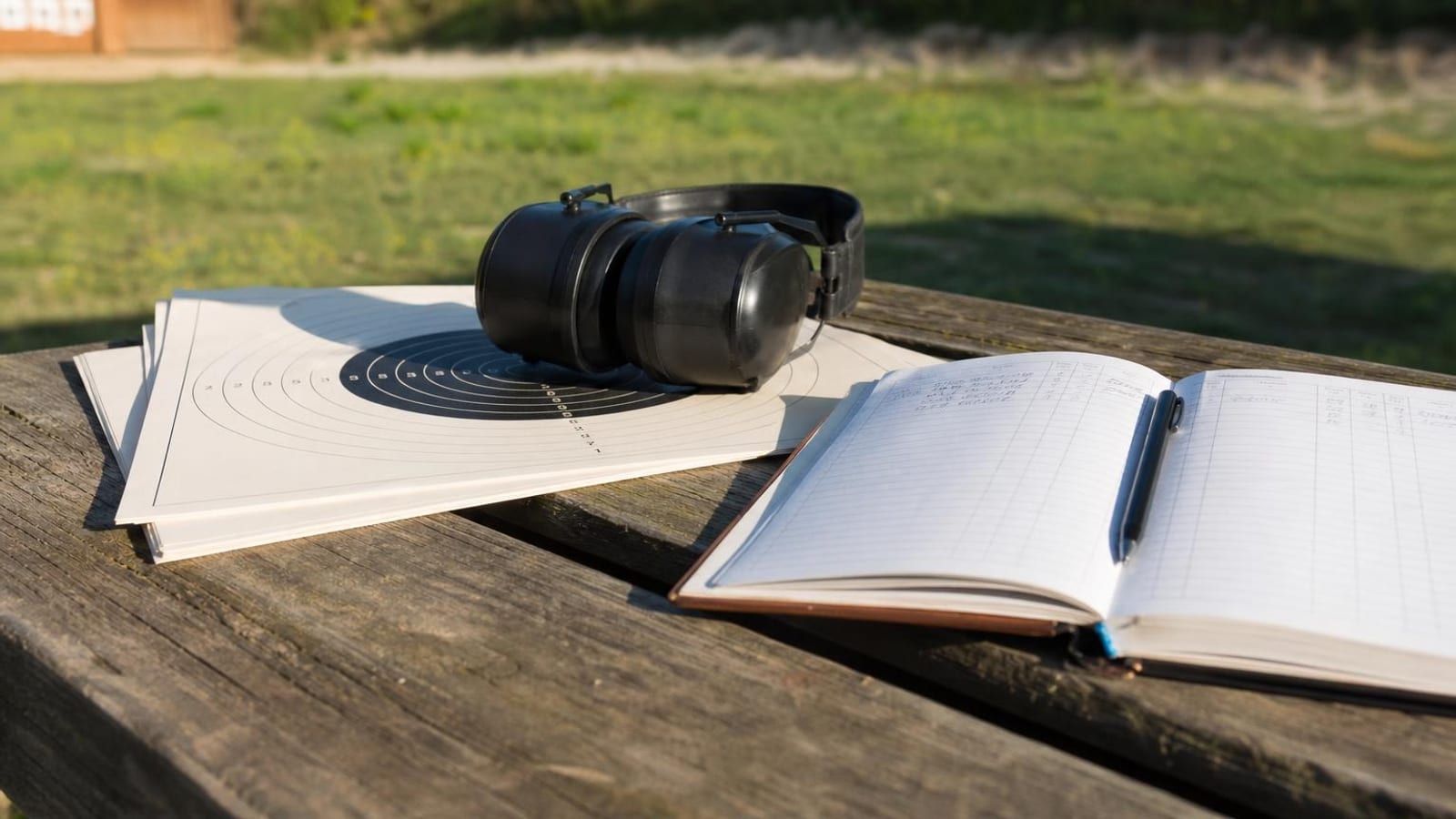
Book a .22.
Not a 9mm, not the .38 revolver someone's uncle swears is "perfect for a lady," and definitely not the .40 that the guy behind the counter wants to rent you because it's sitting in the case. A .22 LR pistol or rifle. Fifty rounds. One hour.
The .22 barely recoils, it's the cheapest ammunition on the shelf, and it lets you learn the only two things that matter on day one: where the sights need to be, and how to press the trigger without disturbing them. Everything else is noise. You can move to 9mm on your third or fourth trip, and you'll get there faster than the person who started on a snubby and spent six months flinching.
Call the range before you go
Ranges vary wildly in how they handle first-timers. Some have a dedicated introductory class with a rental and ammunition bundled in. Some have an instructor you can book by the half hour. Some have a bored teenager and a laminated sheet.
Ask three things on the phone. Do you rent .22 pistols. Do you have an instructor available on the day I want to come. Do you allow first-time shooters to rent alone.
That last one surprises people. Many ranges won't rent a firearm to a solo shooter who doesn't own one, for reasons connected to suicide prevention rather than anything to do with you. If you're going by yourself, that policy can end your trip at the counter. Bring a friend, or book the class.
If the person on the phone talks past your questions, call the next range. There's usually another within thirty minutes, and you're paying.
What to wear, and why it isn't a style question
A crew neck. High, close, no gap.
Here's what a scoop neck gets you. A spent case leaves the ejection port at a few hundred degrees, bounces off the lane divider, and lands inside your shirt against your collarbone. It stays there. What happens next is that a brand new shooter with a loaded pistol in her hands does a panicked dance, and the muzzle goes wherever her hands go. The burn is minor. The sweep of the lane next to you isn't.
So: crew neck or a buttoned shirt done up. Closed-toe shoes, laced, because brass lands on the floor and rolls. Hair tied back and off your neck. A ball cap with a brim, which catches brass coming back off the divider before it reaches your face and stops it hitting your safety glasses.
Skip anything hanging from your ears or your wrists that will foul the muffs or tangle in the gun.
Hearing and eye protection, taken seriously
Double up. Foam plugs under muffs, every time, even for .22. Indoor ranges are concrete boxes and the lane next to you might be running a short-barreled rifle. Hearing damage doesn't announce itself; it just shows up in your fifties as a ringing that never stops.
Foam plugs only work if they're in properly. Roll the plug thin between your fingers, reach over your head with the opposite hand to pull your ear up and back, and get it seated deep before it expands. If you can still hear the counter conversation clearly, it isn't in.
For glasses, look for a wraparound with an ANSI Z87.1 marking. Your own prescription glasses aren't eye protection. They cover the front and leave the sides open, which is exactly where brass arrives.
Fifty rounds is plenty
The most common first range day looks like this: two hundred rounds, twenty-five yards, a silhouette target, and a woman who leaves thinking she's a bad shot. She isn't. She was set up to fail.
Start at five yards. Use a big, plain target with a defined aiming point, not a full silhouette. Shoot five rounds, then put the gun down and look at what happened. Talk about it. Then shoot five more.
Fatigue arrives faster than you expect, and every round fired after your hands get tired is teaching you something you'll have to unlearn. Fifty good rounds beat three hundred sloppy ones by a distance.
The two things to actually work on
Front sight. Your eye can only focus at one distance. Put that focus on the front sight, sharp and clear, and let the target go slightly soft. New shooters instinctively stare at the target, which is why the shots wander.
Trigger press. Straight back, increasing pressure, without the rest of your hand tightening. Most misses at five yards are a hand squeezing all at once at the moment of the break.
The drill that fixes flinching is old and it works. Have the instructor load the magazine with a couple of inert dummy rounds mixed in, so you don't know when the gun will fire. When it goes click and you watch the front sight dip, you've just seen your own flinch. Nobody can talk you out of it. Watching it happen does.
Grip, and what smaller hands change
If you can't reach the trigger with the pad of your index finger while the barrel sits in line with your forearm, the gun is too big. That's a fitting problem, not a strength problem, and the answer is a different gun rather than a different you.
Same with racking the slide. The pinch-and-pull method fails almost everyone. Instead, grab the rear of the slide with your whole support hand over the top, lock that arm, and drive the frame forward with your firing hand. It's leverage, not grip strength. Any instructor who tells you a woman needs a revolver because slides are hard has just told you he can't teach.
Wash your hands before you touch your face
Firing ranges put lead in the air and on every surface. Indoor ones concentrate it.
Don't eat, drink or chew gum at the bench. When you're done, wash your hands and forearms with cold water and plenty of soap, twice. Hot water opens your pores. There are lead-removal wipes sold for exactly this if the sink situation is grim.
At home, your range clothes go straight in the wash on their own, not in with the kids' laundry. If you're pregnant or trying to be, talk to your doctor before you book an indoor range at all. That's a real conversation with a real professional, not something to settle from an article.
The honest trade-off
Everything above says start small and stay close. At some point that advice runs out.
If your reason for learning is home defense, a .22 at five yards won't prepare you for the gun you'd actually reach for at 2am. You'll need to shoot that gun, with its recoil and its trigger, until it's boring. Same if you're heading toward hunting: sooner or later you have to feel the real cartridge. The .22 isn't the destination. It's the thing that stops the first three sessions from building habits that take a year to break.
And some people genuinely do fine starting on a 9mm. If that's you, good. You'll know by round twenty.
What to do before trip two
Dry practice, at home, costs nothing. Unload the gun, take the ammunition to a different room, pick a safe direction with something solid behind it, and press the trigger while watching the front sight. Ten minutes twice a week will do more for your groups than another hour of paid lane time.
Somewhere around the third or fourth session, usually without warning, the front sight stops wobbling. You'll notice the exact shot it happens on.
Nina Castellan
BRO for Her
Runs the women-facing desk. Same standard, same tools, written for a different reader — not a softer one.

Watch
Worth an hour of your evening
More from BRO for Her.
From channels we rate. Plays on YouTube.
Read next