Beans Don't Feed Your Corn This Summer. They Feed Next Year's
Tuck bush beans between the hungry crops, but know when the nitrogen actually pays out, and what to do with the plants in September.
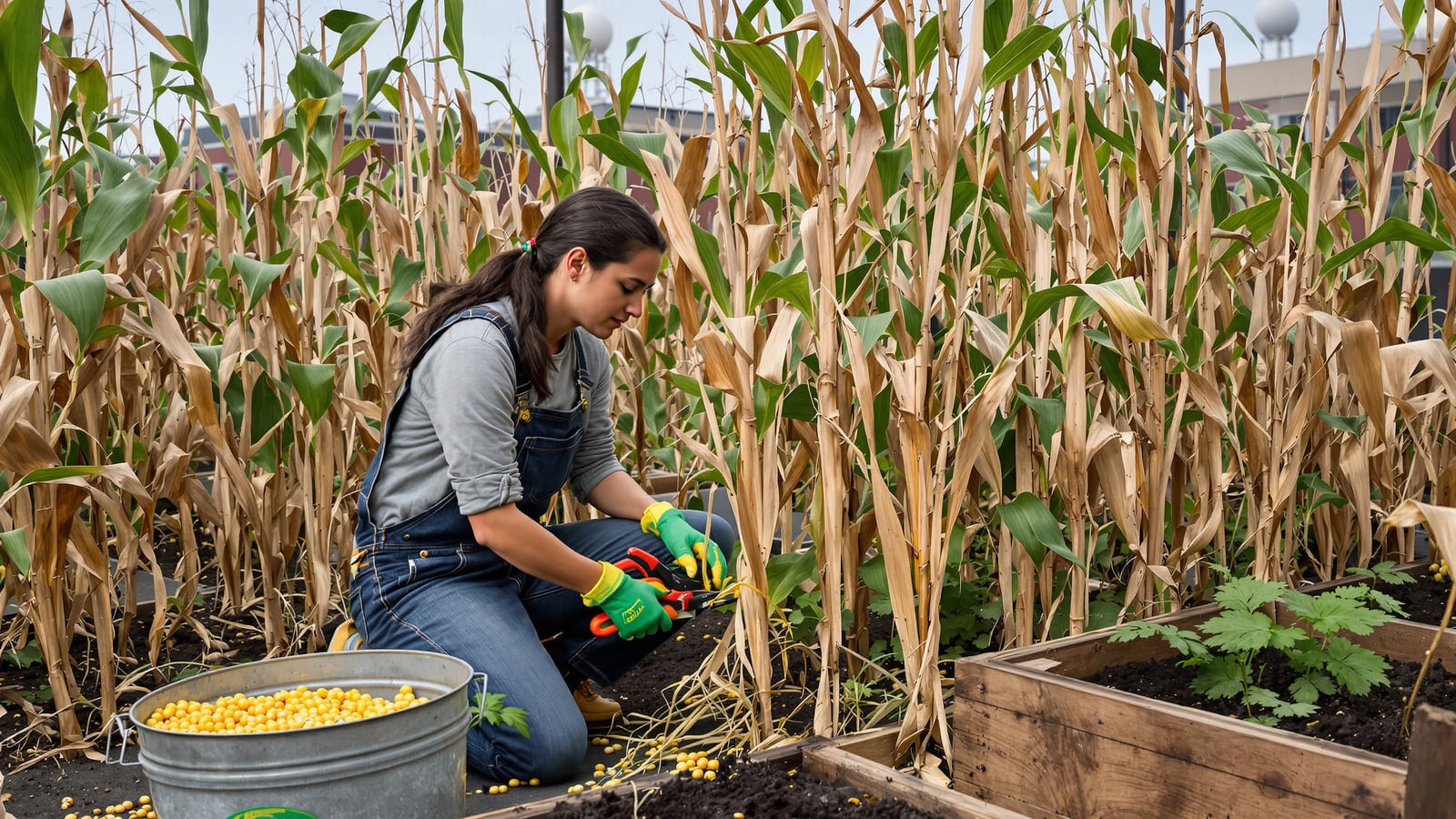
Quick answer: Plant bush beans in the gaps between corn, tomatoes, cabbage and squash once the soil hits 60°F. Skip the nitrogen fertilizer on the beans. When the harvest ends, cut the plants at the soil line and leave the roots in the ground. That's where the nitrogen is.
What the garden advice gets wrong
You've read it a dozen times. Beans pull nitrogen out of the air, so plant them next to your corn and the corn gets fed. It's about half true, and the half that's wrong will leave you disappointed in July.
Beans do host bacteria (rhizobia) in nodules on their roots, and those bacteria turn atmospheric nitrogen into a form the plant can use. That part is solid. But the plant spends most of that nitrogen on itself, and a lot of it ends up in the pods you pick and carry to the kitchen. Very little moves sideways to the corn this season. Most of the payout comes when the roots and leftover plant break down.
So don't expect your tomatoes to turn deeper green because you wedged beans beside them. Expect a modest gain this year and a real one for whatever you plant there next.
Why plant them between the heavy feeders anyway
Because it's free real estate. Corn, tomatoes, broccoli and squash all need room to grow up and out, which leaves bare soil for weeks. Bush beans fill that gap fast. Most varieties give you picking beans in about 50 to 60 days, and a packet of seed costs a few dollars.
They also shade the soil, which holds moisture and slows weeds. And they leave the ground richer than they found it, which is the old rule applied to dirt.
Here's how the pairings work in practice:
- Corn: Plant corn in blocks, not single rows, so it pollinates. Sow bush beans in the gaps. If you want pole beans, wait until the corn is 4 to 6 inches tall. Plant them with the corn and they'll smother it or pull the stalks over.
- Tomatoes: Put bush beans 12 to 18 inches from the base of caged plants. Stake the tomatoes first so you're not digging around roots later.
- Cabbage and broccoli: Bush beans slot between them neatly in a raised bed. Give each crop its own elbow room.
- Squash and zucchini: Squash vines run wide. Plant beans at the edges of the mound, not underneath the leaves, or you'll lose them to shade.
If you're building a bed for exactly this layout, the 4x8 raised bed plan handles it with room to spare.
Keep them away from the onion row
Onions, garlic and leeks stunt beans. Gardeners have said so for generations, and the cure is easy: give them separate beds. Don't wedge beans into the allium patch just because there's open ground.
Zone and season decide the date
Beans are a warm-weather crop. A frost kills them and cold, wet soil rots the seed before it sprouts. Wait until the soil is at least 60°F. A cheap soil thermometer settles the question better than the calendar.
Look up your hardiness zone and your average last frost date. Then work from there:
- Colder zones (3 to 5): Sow after the last frost, usually late May into early June. You'll get one good run, and succession plantings every two to three weeks stretch it until about 60 days before first frost.
- Middle zones (6 to 7): Sow in May. A second planting in July gives you a fall crop.
- Warm zones (8 to 10): Sow in early spring, and again in late summer. In the deep South, heat in the low 90s makes blossoms drop without setting pods. Don't count on midsummer beans.
Sow seeds an inch deep, 2 to 3 inches apart, then thin to about 4 inches. Water the row once, then hold back until sprouts appear. Soggy soil kills more bean seed than anything else.
Use inoculant, and skip the fertilizer
Garden soil that's never grown beans or peas may not have the right bacteria. A small packet of legume inoculant, sold with the seed at most garden centers, costs little. Roll the damp seed in the powder before planting.
Don't fertilize the beans with nitrogen. A well-fed bean has no reason to form nodules, so you pay for fertilizer and get less nitrogen fixed. Compost worked into the bed beforehand is plenty. If you're still building that supply, here's how to make compost that doesn't stink or draw rats.
What goes wrong
Rabbits and deer. Tender seedlings are a salad bar. A low fence of chicken wire, 2 feet high, buried a couple of inches, stops rabbits. Deer need taller fencing or a different spot.
Beetles. Mexican bean beetles and Japanese beetles chew leaves into lace. Hand-pick them in the morning into a jar of soapy water. It takes five minutes. Check the undersides of leaves for yellow egg clusters.
Wet leaves. Walking through the bean row while the leaves are wet spreads rust and blight from plant to plant. Wait until they've dried.
Crowding. Plant beans too thick between big crops and nothing gets air. Mildew follows. The spacing above is a rule worth keeping.
Letting them go long. Pick every two or three days once they start. Pods left to fatten and toughen tell the plant to stop making new ones.
The September move that earns the nitrogen
When picking is done, don't pull the plants. Pulling takes the nodules, and the nitrogen, out of the garden with them.
Cut the stems at the soil line with pruners. Chop the tops and lay them on the bed as mulch, or add them to the compost. Leave the roots to rot in place. Next spring, plant corn or tomatoes or cabbage in that same spot and they'll find fertility waiting.
That's the real trade. The beans give you dinner now, and next year's heavy feeders get the leftovers. For a crop that costs a few dollars and takes ten minutes of effort, it's hard to beat. Leave the bed better than you found it, and it will pay you back.
Wes Dunbar
Country & Skills
Grew up on an acreage and never quite left. Covers trucks, trades, land, and how to do the thing yourself.

Watch
Worth an hour of your evening
More from Garden & Yard.
From channels we rate. Plays on YouTube.
Read next