
Your Screen Isn't Wrecking Your Eyes, But It Is Tiring Them
Digital eye strain is real. Permanent damage from screens isn't. Sort the fact from the myth, fix your setup, and know when to see a doctor.
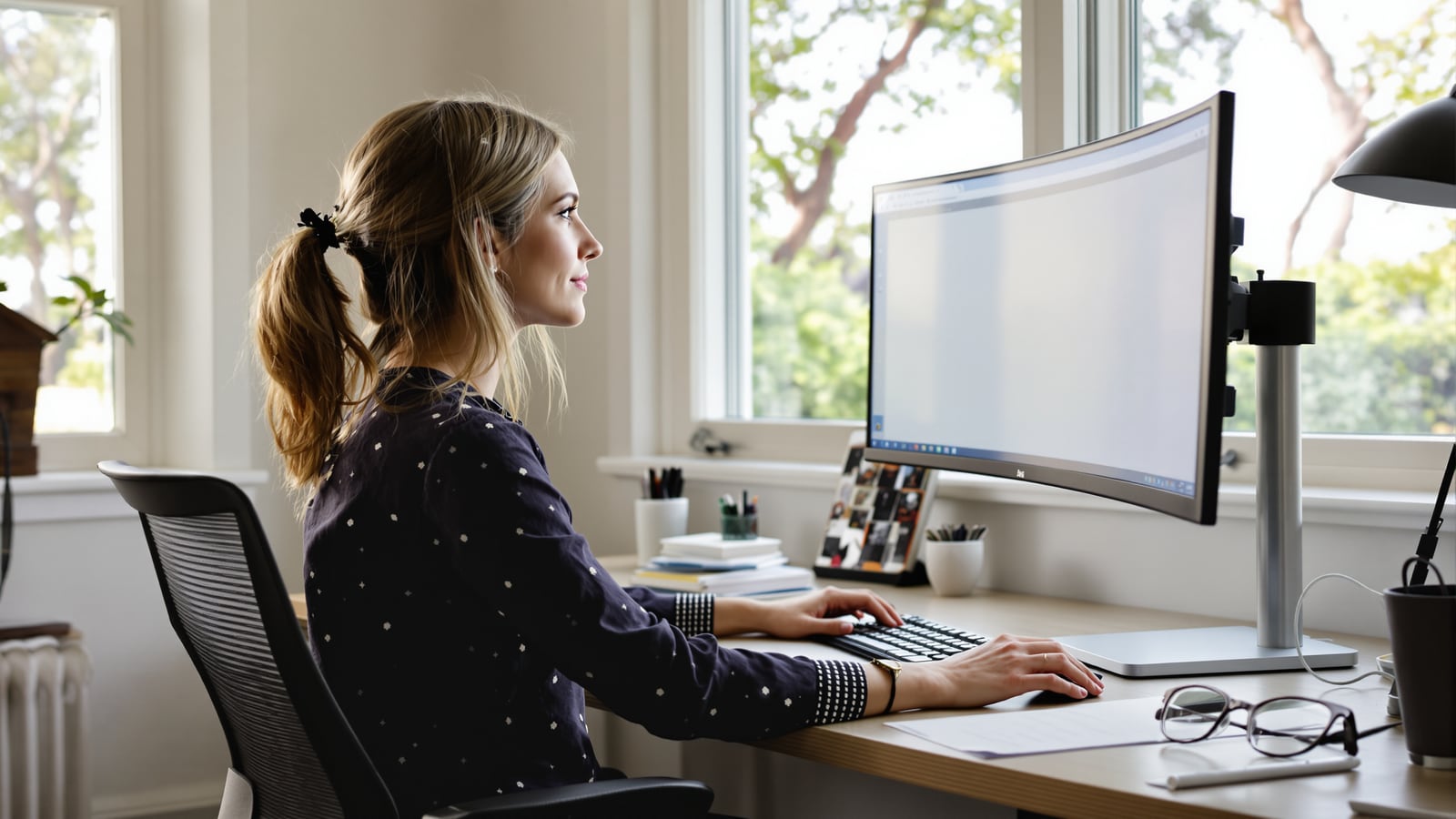
Quick answer: Screens cause tired, dry, achy eyes. They haven't been shown to cause lasting damage. The fixes are mostly free: blink more, set your screen up properly, take short breaks, and get your prescription checked. Blue-light glasses aren't on that list.
The 3 p.m. headache is real
You've had the day. Eight hours on a laptop, a dull ache behind the eyes by mid-afternoon, a tight neck, and a vague sense that your vision went soft around the edges. You decide the screen is cooking your eyes and start shopping for gadgets.
Slow down. What you're feeling has a name: digital eye strain, sometimes called computer vision syndrome. It's well documented. Dry or burning eyes, blurry vision that clears up after a rest, headaches, sore neck and shoulders. It's uncomfortable and it's common.
It's also temporary. The American Academy of Ophthalmology says there's no evidence that screen use causes permanent eye damage. Your eyes are tired, not injured. Think of it like carrying groceries up three flights of stairs. Your arms ache, and nothing's broken.
What's actually happening
Two things, mostly.
You stop blinking. When you concentrate on a screen, you blink less, and the blinks you do manage are often partial. Blinking is how your eyes spread tears across the surface. Skip it and the surface dries out, which gives you the burning, the grit, and the blur that comes and goes.
Your focusing muscles never get a rest. Looking at something close for hours keeps the muscles inside your eyes working the whole time. Nothing in your day asks them to relax.
Add a screen that's too bright for the room, a monitor set too high or too low, and glare from a window behind you, and you've built the headache yourself.
The myths worth dropping
"Screens will ruin my eyesight." Not shown. Tired eyes feel like damaged eyes, but the discomfort fades with rest.
"Blue-light glasses fix it." A 2023 Cochrane review, which pools the best available trials, found these lenses probably make little to no difference to eye strain. The American Academy of Ophthalmology doesn't recommend them for screen use either. If you like the look, fine. Just don't expect them to carry the load.
"Reading in dim light or sitting close to the TV hurts your eyes." Your mother meant well. It can make your eyes tired, but it doesn't do lasting harm.
"Dark mode saves your eyes." Some people find it more comfortable. Nobody's shown it protects anything. Use whichever lets you read without squinting.
Seven fixes that actually work
- Use the 20-20-20 rule. Every 20 minutes, look at something about 20 feet away for 20 seconds. Eye doctors have recommended it for years because it's simple and it works well enough. Put a timer on your phone for the first week. After that it becomes habit.
- Blink on purpose. Feels silly. Do it anyway. Full, slow blinks, especially when you notice your eyes burning. Better yet, tie it to the 20-20-20 break.
- Put the screen an arm's length away. Roughly 20 to 28 inches. The top of the screen should sit at or just below eye level, so you're looking slightly down. That also keeps your eyelids lower and covers more of the eye surface, which slows drying.
- Match the screen to the room. If your display looks like a lamp compared to the wall behind it, turn the brightness down. If it looks gray and dull, turn it up. Kill the glare too: move the monitor so a window isn't behind or beside it, or close the blinds.
- Watch the air. A vent or fan blowing across your face dries your eyes faster. Redirect it. In winter, a humidifier in a dry office or bedroom can help.
- Make the text bigger. If you're leaning in to read it, you're working harder than you need to. Bump the font size up and sit back.
- Think about the neck, too. Eye strain and a stiff neck usually show up together, because you crane toward the screen when you can't quite see it. Sort out your seating and your screen height and you'll often fix both. If your back and neck are already a problem, our piece on when to rest a bad back and when to get moving is worth a read.
The cause nobody checks: your prescription
Plenty of eye strain isn't a screen problem at all. It's an old or wrong prescription, or no prescription when you need one.
Many people start needing help with close-up focus in their forties. It creeps up. You hold your phone farther away, you reach for more light, and you blame the phone. An eye exam can tell you whether you need reading glasses, or computer glasses set for your actual working distance. Regular distance lenses aren't always right for a desk.
If you wear contacts, tell the doctor about the dryness. Contacts can make it worse, and there are options.
For dry eyes, over-the-counter artificial tears are common. But which kind, and how often, is a question for your eye doctor, particularly if you wear contacts or the dryness doesn't ease.
Kids and screens
Parents ask about this more than anyone, and it's a fair question. Short term, kids get the same tired eyes you do. Longer term, researchers have linked more time outdoors with a lower risk of nearsightedness developing in childhood. So the practical move is simple: cap the screen time you'd cap anyway, and push them out the door. Baseball in the yard does more for their eyes than any filter. Their pediatrician or eye doctor can tell you how often to schedule exams.
When it isn't eye strain
Eye strain gets better when you rest. If it doesn't, or if something looks different, stop troubleshooting and call a doctor.
Get seen promptly, and go to urgent care or the ER if it's sudden, for any of these:
- Sudden loss of vision, in part or all of one eye
- A curtain or shadow across your field of vision
- New flashes of light, or a sudden shower of floaters
- Double vision that appears out of nowhere
- Eye pain with redness, or with nausea
Those aren't screen problems. They need a professional right away.
Also worth knowing: certain conditions affect the eyes without warning you. If you've been told your blood sugar is running high, eye exams matter more than usual. Our piece on what to do after an A1C of 5.9 covers the bigger picture. And if you've been living on stress and bad sleep, remember that stress doesn't stay in your head. It shows up in your body, including headaches that get blamed on the monitor.
What to do this week
Set a 20-minute timer. Move the screen to arm's length. Turn the blinds so the window isn't in your face. Then book the eye exam you've been putting off, and tell the doctor exactly how many hours a day you spend at a desk.
Your eyes will probably thank you by Friday. And you'll have kept forty dollars for something better than glasses that don't do what the box says.
Cal Brennan
Fitness
Strength coach. Trains fathers, tradesmen and desk workers, which means programs that survive a bad week.

Watch
Worth an hour of your evening
More from Health.
From channels we rate. Plays on YouTube.
Read next