
Nobody has beaten the wool blanket, and plenty have tried
It's heavy, it itches a little, and it has outlasted every gadget sold to replace it. Inducting the wool blanket into the Garage Hall of Fame.
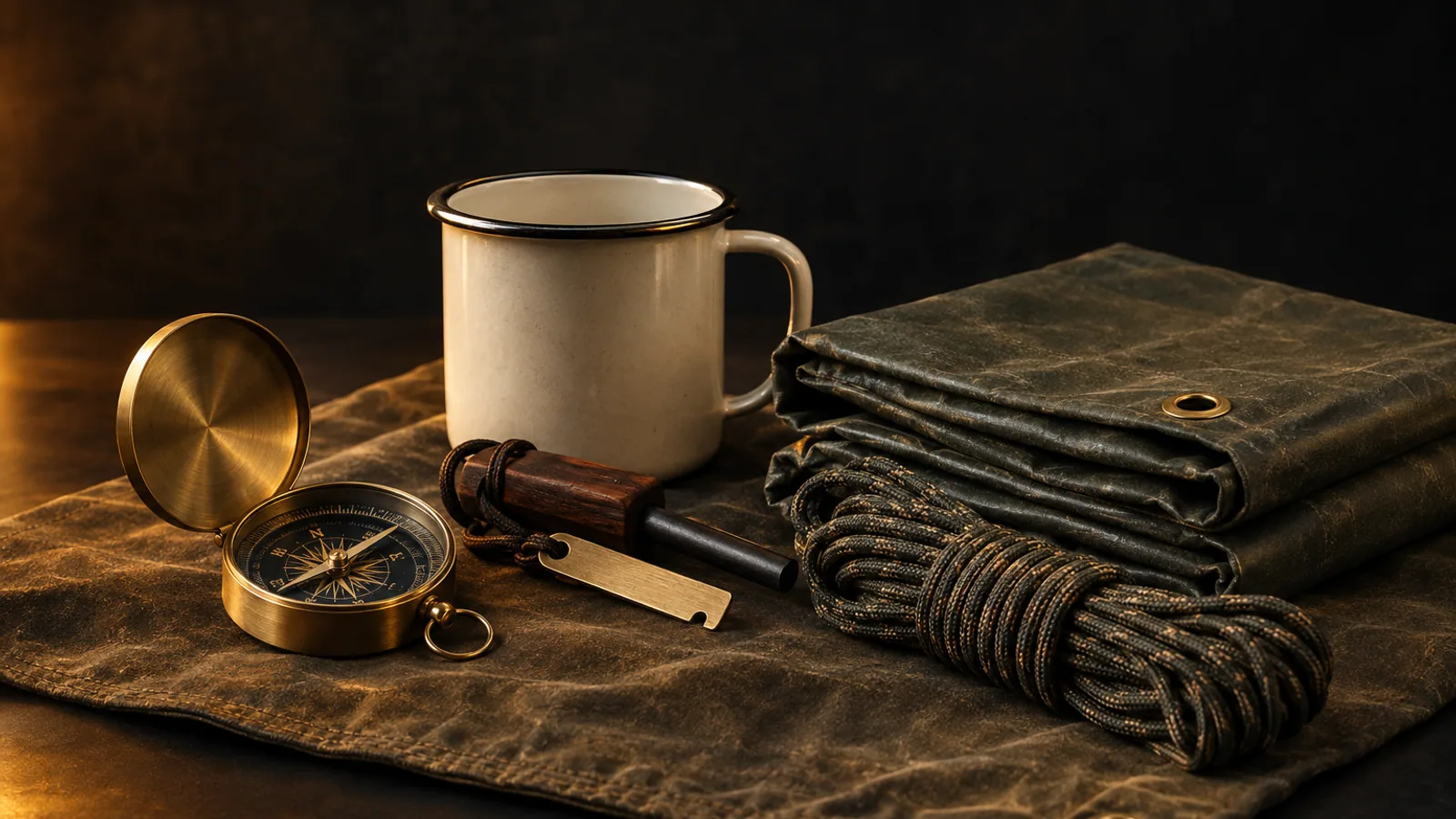
Quick answer: Buy one tight-woven blanket that's mostly wool, check the fiber content on the label, and keep it behind the seat of your truck. Air it out, wash it rarely, and it will outlive the truck.
The inductee
Ladies and gentlemen, please rise for a rectangle of gray wool.
It has no battery and no app. Nobody has ever updated its firmware. It's a flat piece of woven sheep, and it has done more work than most of the things in your garage combined.
Armies have issued wool blankets for centuries. The Hudson's Bay Company traded its famous point blankets for generations, and the little colored stripes on them are still a recognizable piece of North American gear. Mills like Pendleton still weave them in the U.S. Farmhouses kept one at the foot of every bed. Hunters kept one in the truck.
The job description is long. It's a bedroll layer, a ground cover, a windbreak you can hang between two trees, a picnic spread, a lap warmer at a football game, and a wrap for somebody who's gone pale and shaky on a cold trail. Few tools get that many jobs and keep all of them.
Why it has never been improved on
Start with the fiber. Wool is crimped, like a tiny spring. Those crimps hold pockets of still air, and still air is what actually keeps you warm. The blanket's job is to hold your own heat in place, and wool does it with nothing but its shape.
Then there's water. Wool can take on a good deal of moisture and still insulate, which is why a wool blanket that got rained on at a campsite is a nuisance and not an emergency. Plenty of other fabrics lose most of their warmth the moment they're damp. A wet cotton blanket is just a cold, heavy towel.
Wool also doesn't melt. A stray ember from a campfire tends to leave a small char mark where a synthetic would leave a hole that keeps spreading. That's a general trait of the fiber, not a license to wave it over open flames, but it's the reason wool is the traditional choice for people who sleep near fires.
And nothing on it can break. No zipper to jam, no seam of baffles to leak, no heating element to fail in the cold. If an edge frays, you fix it with a needle and thread at the kitchen table.
The one real cost is weight. It's heavy and it's bulky, which is why it lives in a truck bed, a canoe, or a cabin, and not in a pack. For anything you carry on your back, you're better off with the gear in your first overnight backpacking trip and what to leave home.
What the "improved" versions got wrong
Fleece. Fleece is lighter and dries faster, and that's a fair point. It's a good layer. But it pills, it holds odor, and it melts when it meets a spark. It's a decent blanket for the couch. It's the wrong thing for a fire ring.
Space blankets. The foil sheet folds down to the size of a deck of cards, and it belongs in a first aid kit. As a sleeping blanket it's noisy, it tears, and it collects condensation. It reflects heat back at you but gives you nothing soft to lie on. Carry one as a backup. Don't make it the plan.
Electric blankets and heated throws. They're wonderful when there's an outlet. Where the outlet isn't, they're a folded-up reminder of what you forgot.
Wearable blankets, the kind with sleeves. They solve a problem nobody had. If you want your arms free, wrap the blanket and tuck it under your belt.
The wool-blend. This one's quieter. Some blankets carry a wool name and a few percent of actual wool, with the rest acrylic or polyester. They can be fine blankets. They aren't what this column's inducting. Read the label.
Buying one that lasts
Most tools in this column come down to forged versus cast, handle wood, head fixing. A blanket has its own version of those questions.
- Fiber content. Look for a high percentage of wool, ideally all of it. The label tells you. If a listing won't say, move on.
- Weave and weight. Hold it up to a window. If you can see light through the weave, it's thin. Many makers list the weight, so compare those numbers and decide how much blanket you want to haul. Heavier is warmer and harder to stuff in a bag.
- Edges. A bound or blanket-stitched edge holds up better than a raw one. Look at how well the stitching is done, because the edges are where a blanket starts to come apart.
- Itch. Coarser wool scratches. Finer wool like merino is softer, and usually costs more. If you're buying for kids or for a guest bed, feel it in person if you can.
- Surplus and used. Military surplus and estate-sale blankets can be real finds. Check them for small round moth holes (holding them to the light shows them fast) and for a musty smell that doesn't air out.
On price, check the current price. A good wool blanket costs real money and a cheap one costs less. Say a solid one runs $150, which is an example and not a quote. Spread over thirty years of use, that's a few dollars a year. Read any warranty document before you buy, so you know what it covers and what voids it.
If you're setting up a rig, a wool blanket belongs next to the gear in your truck is already an overland rig. And if you're sleeping out, remember that the ground steals your heat before the air ever does. Put the blanket under you as well as over you.
Keeping it for the next generation
Wool doesn't want much, but it wants the right things.
Air it out. A day on a clothesline in the shade does more than most washing. Sunlight is fine for a few hours. Longer will fade the color.
Wash it rarely. When you must, follow the care label. Many wool blankets call for a gentle cycle in cool water with a wool-safe detergent, or for dry cleaning. Never a hot dryer. Heat and agitation shrink and felt wool, and you can't undo it. Let it dry flat.
Store it clean. Moths go after dirty wool first. Wash or air the blanket before you pack it away, then store it in a breathable cotton bag or a cedar chest. Skip the sealed plastic bin, which traps moisture.
Repair early. A small hole is a ten-minute job with matching yarn. A big one is a project.
Lend it right. If a friend borrows it, ask for it back cleaner than it left. If you borrow someone else's, air it out and bring it home with a note of thanks. That's the old rule, and a good blanket is worth following it for.
One day it will be yours to hand down. The corner will have a burn mark from a long-ago fire and the label will have faded to a ghost. Whoever gets it won't need to be told what it's for.
Wes Dunbar
Country & Skills
Grew up on an acreage and never quite left. Covers trucks, trades, land, and how to do the thing yourself.

Watch
Worth an hour of your evening
More from Outdoors.
From channels we rate. Plays on YouTube.
Read next