What a Horse Actually Costs and What You Do Every Day
The purchase price is the cheapest thing about a horse. The hay, the farrier, and the 5:40 a.m. ice-breaking are the real deal.
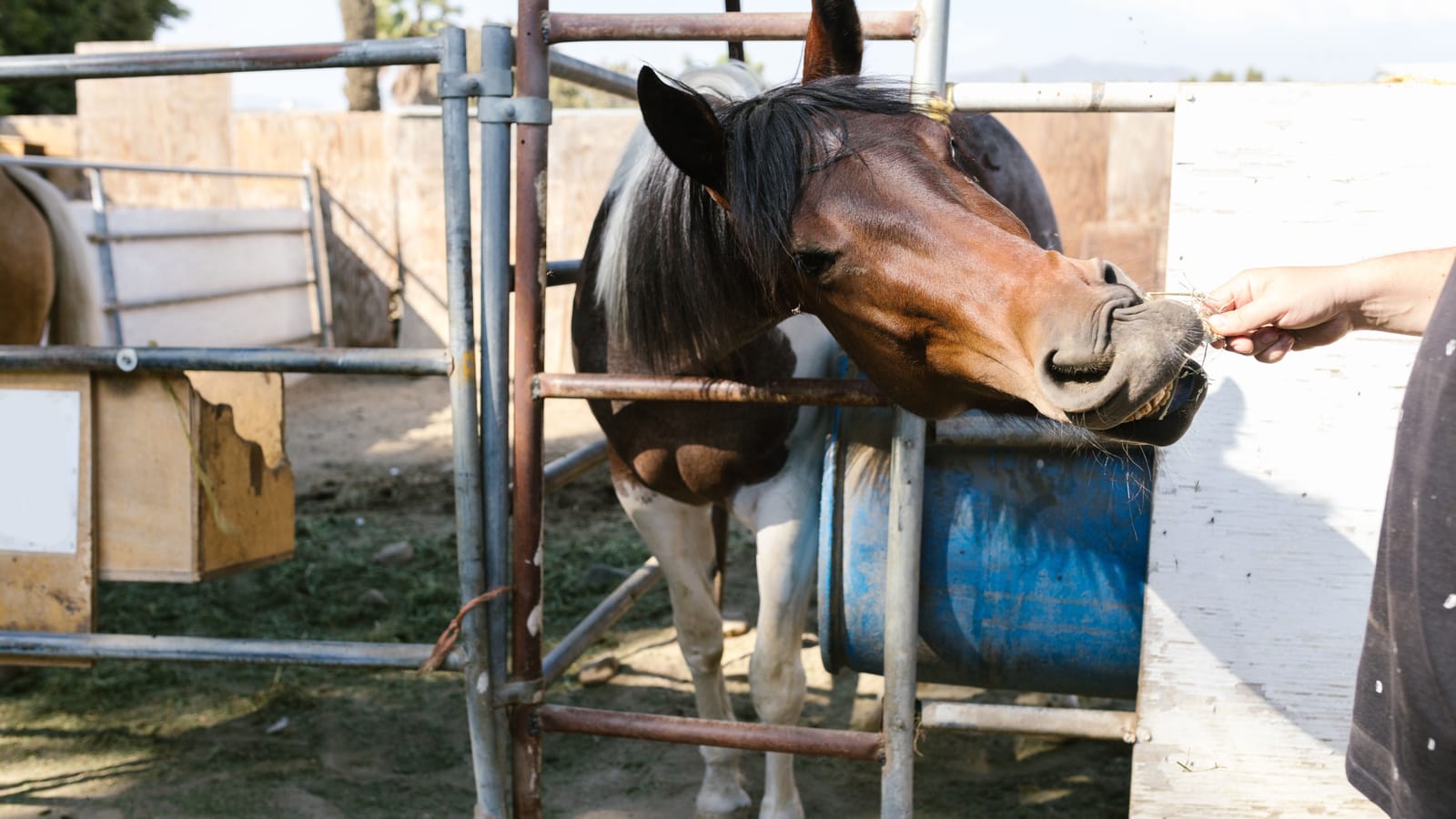
The horse is the cheap part.
That's the sentence nobody says at the sale barn, and it's the one that matters most. A sound, sane, well-broke gelding in his early teens can be had for less than a used ATV. Free horses exist. Good free horses exist. What follows the handshake is a recurring bill that doesn't care about your quarter-end bonus, and a chore list that doesn't care that it's Christmas morning or that you have the flu.
If that sounds like a warning, it isn't. Horses are one of the last things in American life that will teach a twelve-year-old that her feelings aren't the most important variable in the room. Plenty of families should own one. They should just walk in with the numbers in hand.
The recurring bill, line by line
Before you look at a single horse, call three boarding barns within 30 miles of your house and ask what full board costs. Then ask what's included, because "full board" means different things down different driveways. Some barns feed grain you supply. Some charge extra for blanketing. Some include daily turnout, some charge for it, and some have a dry lot they call a pasture.
The spread across the country is enormous. A pasture-board spot in rural Oklahoma and a full-service stall outside Denver aren't in the same universe of price. Get local numbers, in writing, and assume a raise every couple of years.
Keeping the horse at home doesn't delete the cost. It converts it into hay, bedding, fencing, water, a tractor you will eventually need, and your own labor at 5:40 a.m. Hay is the big one, and it swings hard with drought. A dry summer in the Plains shows up in your barn two states away.
The steady items, the ones that arrive whether you ride or not:
- Hoof care every five to eight weeks. A barefoot trim is the budget version. A full set of shoes is several times that, and horses with pasture-ornament jobs often do fine barefoot. Ask your farrier what this particular horse needs, not what the internet says.
- Annual and semiannual veterinary work. Core vaccines, a Coggins test if you plan to haul anywhere, and a dental exam. Horses' teeth erupt through their lives and wear unevenly, and a float is routine maintenance, not a luxury. Your veterinarian sets the schedule based on your region and the horse's age.
- Deworming based on fecal egg counts, not a rotating calendar from 1985. Ask your vet to run counts and tell you which horses actually need what.
- Feed. Most easy keepers need good forage, a ration balancer, and salt. Most people spend money on feed their horse doesn't need and skimp on hay quality, which is backwards.
The bill you can't budget for
Horses are large, fast, expensive animals built around a digestive tract that seems designed by a committee that hated them. Colic is the word you'll learn first. Most cases resolve on the farm with a vet visit and banamine. Some don't, and surgery at a university hospital is a five-figure conversation held at two in the morning while you're standing in a hallway in muck boots.
Decide now, in daylight, what your ceiling is. Write it down. Tell your spouse. A family that has had that talk before the crisis makes a clean decision. A family that hasn't makes a panicked one and then argues about it for a year.
This is also where equine insurance earns a look. Mortality and major medical policies exist, they're priced by the horse's value and age, and an agent who specializes in livestock can walk you through what's actually covered. Anything medical, including whether a given colic is an emergency, goes to your veterinarian. Not to a group chat.
The daily work, honestly
Two feedings, roughly twelve hours apart. Water checked every single day, because a horse can drink ten gallons in summer and a tipped trough on a July afternoon is a genuine emergency. Stalls picked. Turnout in, turnout out. Hooves picked before you ride and after.
January is the test. The hydrant freezes. The automatic waterer quits because the power's out. You haul five-gallon buckets from the mudroom sink, two at a time, across frozen ruts that will roll an ankle if you're careless, and you do it twice a day until the thaw. Nobody sees it. Nobody claps. The horse doesn't thank you.
Then there's mud season, when the gate area turns to soup and a horse with a scratch on his pastern develops a skin problem that takes six weeks to clear. And fly season, when you discover that fly spray is a consumable and that a good fly mask lasts until the horse decides otherwise.
Vacations become a logistics problem. Either you're at a boarding barn where someone else feeds, or you have a neighbor who genuinely knows horses and owes you a favor. The second one is rarer than you think, and it's worth cultivating for a decade before you need it.
Choosing well beats buying cheap
The single most expensive mistake in this sport is a green rider on a green horse. It ends in a hospital bill, a sold horse, and a kid who's afraid of the thing she used to love.
Buy the older one. A twelve- to sixteen-year-old with a job history, a few blemishes, and a reputation at the local shows for being boring is worth more to a family than a flashy four-year-old with potential. Potential is a word that costs money.
Get a pre-purchase exam from a veterinarian you hired, not the seller's vet. Tell that vet exactly what you intend to do with the horse, because the flexion test that disqualifies a jumper prospect may not matter at all for trail riding twice a week. Radiographs cost real money and have saved more people from real money.
Ride the horse twice. Ride him on a windy day. Have your kid ride him while you watch, and watch the horse's face, not your kid's.
The stuff around the horse
A saddle that fits the horse and the rider. A trailer, eventually, and a truck that can legally and safely pull it, which is a bigger purchase than most first-time owners plan for. A helmet, replaced after any fall that hits it. Fencing that a panicked animal can't wrap a leg in, which rules out most of the cheap options.
If you're keeping horses at home, the old rule of thumb is one to two acres per horse for grazing, and that's regional. Your county extension office will tell you what your ground actually supports. Call them. They're one of the few government offices that reliably gives you something useful.
What you get for it
Chores that don't negotiate. A daughter who learns that a 1,100-pound animal reads her nerves before she knows she's nervous, and that the way through is to be steady on purpose. A son who's up at six on a Saturday without being asked twice, because the horse doesn't care about the alarm clock.
You'll spend money you'd rather have kept. You'll spend mornings you'd rather have slept through. And then one evening in October you'll be leaning on a gate with a cup of coffee, watching a horse you paid too much for graze in the last good light of the day, and the math will stop mattering entirely.
Wes Dunbar
Country & Skills
Grew up on an acreage and never quite left. Covers trucks, trades, land, and how to do the thing yourself.

Watch
Watch how it's done
Picked for this article.
From channels we rate. Plays on YouTube.
Carmella Abel - Equine Helper
HOW MUCH DOES IT COST TO OWN A HORSE? DETAILED COST GUIDE 💰
My New Horse
The Daily Horse Care Tasks We Never Skip
Read next