
The job
The county has issued an evacuation order. You've got a car, a family, maybe a dog, and a few hours. Load the car and get on the road, with everything that matters and nothing that doesn't.
How the rookie does it
2:00 p.m. The order comes through. I tell my wife we've got plenty of time. The gas gauge sits at a quarter tank. I've known this since Tuesday.
2:10 p.m. I start loading with an empty cooler, because I'll fill it later. Then the cornhole boards, because they were leaning by the door and they weren't cheap.
2:40 p.m. My wife walks out with one labeled bag per person. She packed them in the spring. She's also holding a printed list. I nod like I knew about the list.
3:15 p.m. The trunk is full. The back seat is a landslide waiting for the first hard brake. A floor lamp is riding next to our son's booster seat. I can't tell you why. The rear window now shows a comforter.
3:40 p.m. We find out the prescriptions are still on the kitchen counter. The phone chargers are in the one bag at the bottom of the trunk. I unpack the entire car on the driveway while the neighbors drive past with their cars already packed.
4:30 p.m. We finally leave, two and a half hours late. The gas station line is twenty cars long. My phone has one bar and a GPS that's sending everyone in the county down the same road as us.
How the veteran does it
Call him Walt. Thirty years of storm seasons.
2:00 p.m. Walt reads the order, then sets a timer for twenty minutes. His tank hasn't dropped below half since June.
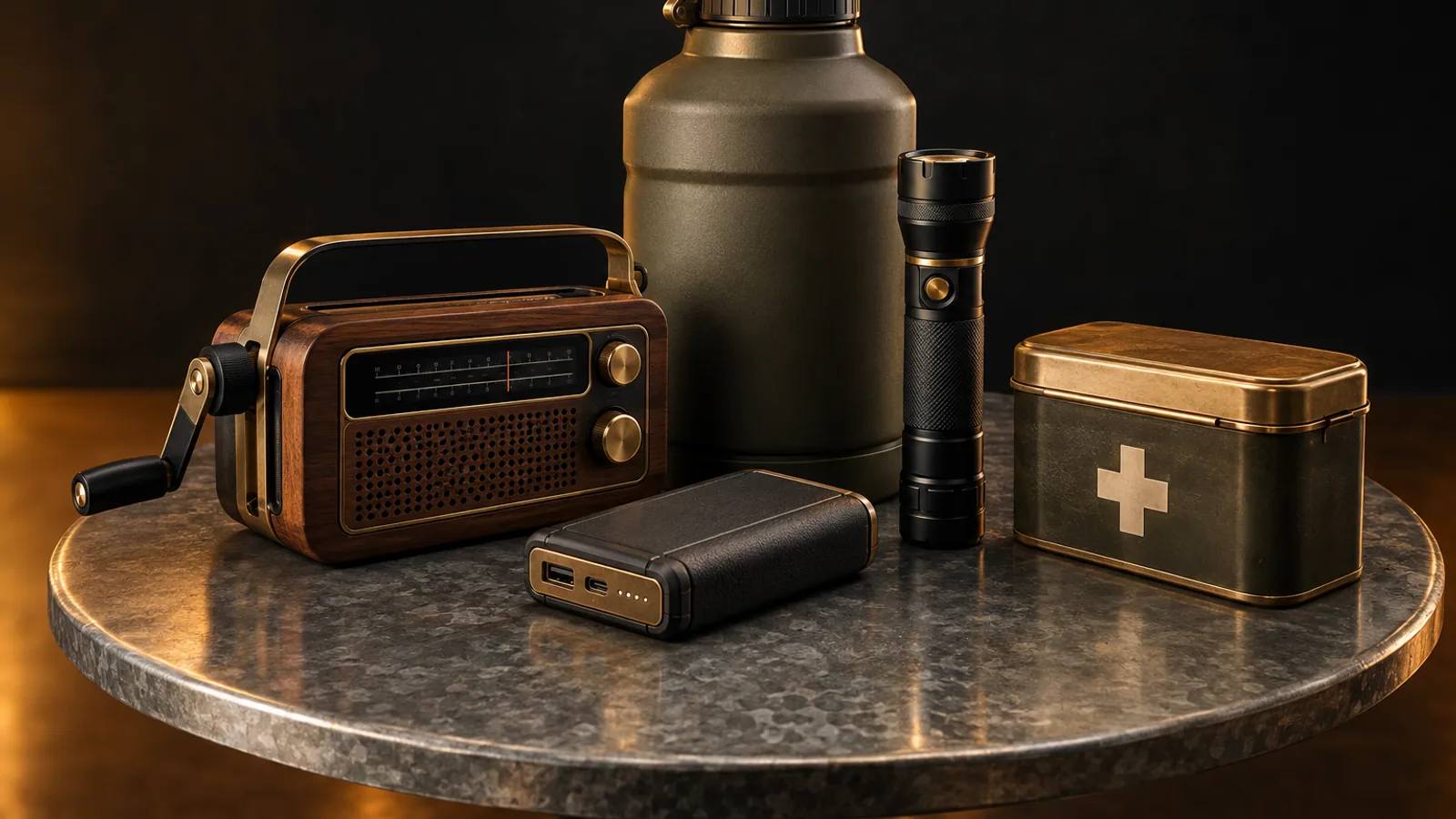
2:02 p.m. He carries out the bags and one lidded bin that live together in the garage. The bin holds water, food, chargers, a radio, a first aid kit and a folder of document copies. It hasn't been opened since he checked it last month.
2:08 p.m. Heavy items go in flat and low. Soft items go on top. Nothing sits on the rear shelf. Pet carriers are buckled in, and the dog has his leash on before the door opens.
2:15 p.m. The medications come out of the cabinet and into the front seat, where Walt can reach them. He texts his sister the route and where they're headed.
2:20 p.m. The timer goes off. The family gets in. The boards stay in the garage. They've never been in a hurricane because Walt has never taken them to one.
What the veteran knows
- Half a tank is the floor. Official guidance says keep your gas tank at least half full when storms are in season. Once an order is issued, the stations fill up and some run dry. Stop at half, not at empty.
- Load by priority, not by what's closest. People and pets first. Then medications, documents, phones and chargers. Then water and food. Then clothes. Anything beyond that gets a hard look. Take what's irreplaceable, and leave what's merely expensive.
- Secure it, because loose things become projectiles. In a hard stop, anything unsecured keeps moving. Pack heavy items low and flat, and keep the cargo below the window line so you can see out of the rear. Nothing goes on the rear shelf, and nothing goes where it can press on a child's seat or a seat belt.
- Keep the essentials where you can reach them. Medications, phone, charger, wallet, keys and the folder of paper copies ride in the cabin with you. They don't go in the trunk under everything else.
- Carry cash and a paper map. Card readers go down when the power does, and cell networks jam when thousands of people use them at once. Small bills help. If you haven't thought about how much to keep on hand, start with your emergency fund and the cash you can actually reach. Know two routes out. A battery or hand-crank radio keeps you informed when the internet doesn't, and the radio still works covers how to use one.
- Build the bin before you need it. A seventy-two-hour supply of water, food, light and basic medical gear should already be packed and waiting. The seventy-two hour kit your family will actually use walks through what goes in it. Ready.gov's long-standing water figure is one gallon per person per day.
- Follow the officials, and tell someone your route. Leave when local emergency officials say to, not when you feel like it. Text a relative where you're going and which way you're driving, so someone knows when to worry.
- Never drive through floodwater. It can hide a washed-out road, and moving water can sweep a vehicle away. If a road is covered, turn around. Find another way.
Your first time, done like a veteran
- Gas tank at half or more, every storm season
- One bag per person, packed and by the door
- Lidded bin: water, food, radio, chargers, first aid, document copies
- Prescriptions in one spot, ready to grab
- Pet carrier, leash, food and vaccination records
- Small bills in an envelope
- Paper map with two routes marked
- A printed list taped inside the closet or cabinet door
- A timer on your phone, because twenty minutes is plenty if you're ready
- A text to someone outside the area before you pull out
Everything left in that garage can be replaced. Everyone in that car can't. Pack accordingly.
Dean Shaw
Gear & Garage
Reads the warranty, the parts list and the long-term owner reviews before anything else. Trucks, tools, watches, and the cheap version that costs more.

Watch
Worth an hour of your evening
More from Preparedness.
From channels we rate. Plays on YouTube.
Read next