The rotten-egg smell is your alarm, and it can fail
Propane has no odor of its own. The smell is added on purpose, and a few situations can mute it. Learn them before you need them.
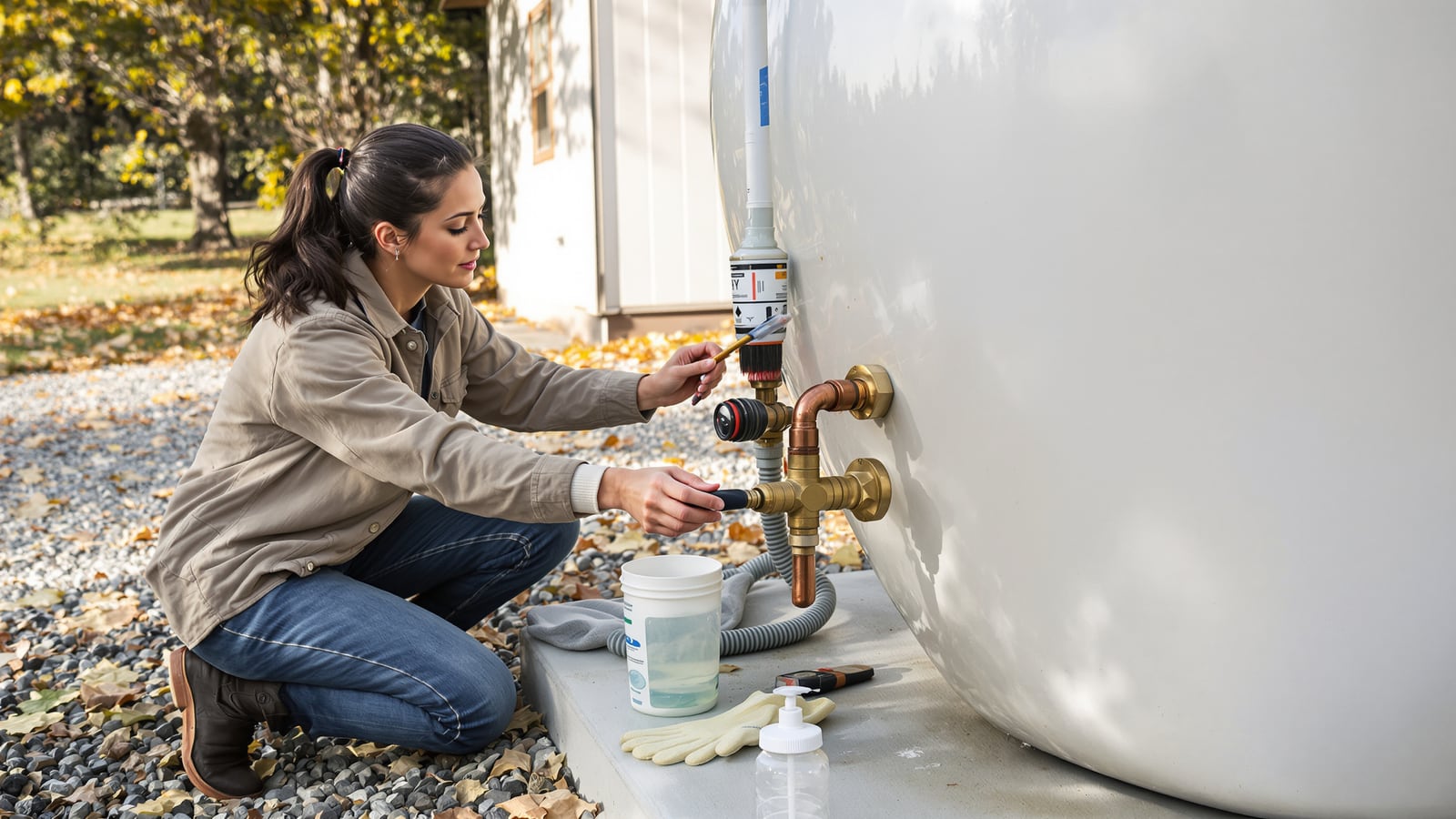
Quick answer: Propane is naturally odorless. Suppliers add a chemical that smells like rotten eggs, skunk or boiled cabbage so you'll notice a leak. If you smell it, no flames, no switches, everybody outside, then call 911 from a safe distance and your propane supplier.
Now the part most people skip. That smell can fade, and some people can't pick it up at all. Don't let your nose be the only thing standing between your family and a leak.
What you're actually smelling
The additive is ethyl mercaptan. Suppliers put in a tiny amount, and the human nose picks it up at concentrations far below anything that could burn. That's the whole design. You get the warning while the leak is still small.
Propane is also heavier than air. It doesn't drift up and away. It sinks, and it pools in low spots: a basement stairwell, a crawl space, the floor of a camper, the low corner of a shed. So the smell can be strongest near the floor and faint at nose height.
Learn it on purpose. Your propane supplier can usually give you a scratch-and-sniff card, and it's worth a phone call to ask. Smell it once with the whole family standing there. A kid who knows the smell by name is a second alarm in the house.
Five ways the warning goes quiet
You can't smell well. A cold, allergies, age, some medications, and tobacco or alcohol can all dull your sense of smell. If that's you or somebody under your roof, assume the nose is unreliable and buy a detector.
You've been in it a while. Noses tire. Walk into a room with a strong smell and it fades after a few minutes. That's normal, and with gas it's dangerous. The smell you noticed at the door may not be the smell you notice at the kitchen table.
Odor fade. Sometimes the odorant weakens inside the system. Rust inside a new or long-empty steel tank can absorb it. A leak in underground piping can also strip it as the gas passes through soil. The result is propane that's present and barely detectable. If your supplier mentions odor fade, take it seriously and don't wave it off. Ask what they're doing about it.
The tank ran dry. An empty system has air in the lines. Relighting it without a proper check is how people get into trouble. After any run-out, a qualified technician should leak-test the system before you restart appliances.
The leak is outdoors and the wind is up. A cylinder valve dripping behind the shed on a windy day may never reach you. That doesn't make it safe. It just makes it quiet.
If you smell gas
Official guidance from the propane industry and fire safety groups is consistent. Do it in this order, and say it out loud to your family now, so nobody has to think.
- Put out open flames. Cigarettes, candles, pilot flames you can reach without stepping into the smell.
- Touch nothing electrical. No light switches, no garage door opener, no lighter, and don't flip the breaker. A tiny spark is all it takes.
- Get everyone outside. Kids and pets first. Don't stop for shoes, wallets or the dog's leash.
- Shut the tank valve only if it's outdoors and you can reach it without walking through gas. Turn the handwheel clockwise. If it's in doubt, skip it.
- Call 911 from outside, from a neighbor's porch or the end of the driveway. Then call your propane supplier's emergency line.
- Stay out until a professional says the house is clear. Then have the system inspected before anything gets relit.
Write your supplier's emergency number on the tank lid, the fridge and the inside of the pantry door. Cell service on a bad night is a gamble, and nobody remembers numbers while they're running.
Buy the detector that fixes the nose problem
A propane detector doesn't get tired and doesn't catch colds. Mount it low, about a foot off the floor, because that's where the gas settles. The natural gas detector hanging near your ceiling is built for a lighter gas and is the wrong tool here.
Read the label on any detector for its replace-by date. They wear out. And remember the difference between the two alarms you need: a propane detector warns about unburned gas, and a carbon monoxide alarm warns about gas that burned badly. The rotten-egg smell won't warn you about carbon monoxide. It has no smell at all. If you run any propane appliance indoors, you need both.
Grills, cylinders and the garage
A standard grill cylinder is the likeliest propane you'll handle, so a few habits matter.
Test connections with soapy water. Mix dish soap and water, brush it on the hose and fittings with the valve open, and watch for bubbles. Growing bubbles mean a leak. Do it at the start of each season and any time you swap a cylinder. It takes two minutes.
Store cylinders upright and outside. Not in the garage, not in the basement, not under the stairs. Keep them shaded and away from the house's air intakes.
Haul them upright and secured. Keep the trunk or truck bed ventilated, go straight home and don't leave one cooking in a parked car. Errands can wait.
Check the date. The collar is stamped with a manufacture date. Cylinders need recertification or replacement after twelve years. Swapping at an exchange handles this for you, though it's worth a glance.
Leave it better than you found it. If you borrow a neighbor's cylinder for the cookout, return it full, with the valve closed and the threads wiped clean. Same rule for the loaner grill.
When the power goes out
Outages are when people improvise, and that's when propane goes wrong. Only use heaters made for indoor use, and follow their ventilation instructions to the letter. Never bring a grill, a patio heater or a camp stove inside to warm the house. Never run a propane appliance that isn't rated for the space.
Generators belong outside and well away from the house. We covered the details in Twenty Feet From the House and Other Generator Rules. If you're planning for a longer stretch, What a Week Without Power Actually Takes walks through fuel, food and heat. And a battery CO alarm belongs in The Seventy-Two Hour Kit Your Family Will Actually Use, alongside the flashlights.
If a flood is coming and you're evacuating, shut the tank valve before you leave. After the water goes down, don't use any propane system that's been under it until a technician has checked it. Floodwater can shift tanks and damage regulators and lines.
This weekend
Twenty minutes does it. Smell the card with your family. Brush soapy water on every grill connection. Write the supplier's number where everyone can find it. Mount a detector low if you've got any propane indoors. And walk through the leak steps once, out loud, starting with "nobody touches the light switch."
The rotten-egg smell is a good alarm. A good alarm still needs a plan behind it.
Wes Dunbar
Country & Skills
Grew up on an acreage and never quite left. Covers trucks, trades, land, and how to do the thing yourself.

Watch
Worth an hour of your evening
More from Preparedness.
From channels we rate. Plays on YouTube.
Read next