When a testosterone test is worth taking, and when it's not
Testosterone does drift down after thirty. But the tired, soft-around-the-middle feeling usually has other causes, and a bad test is worse than none.
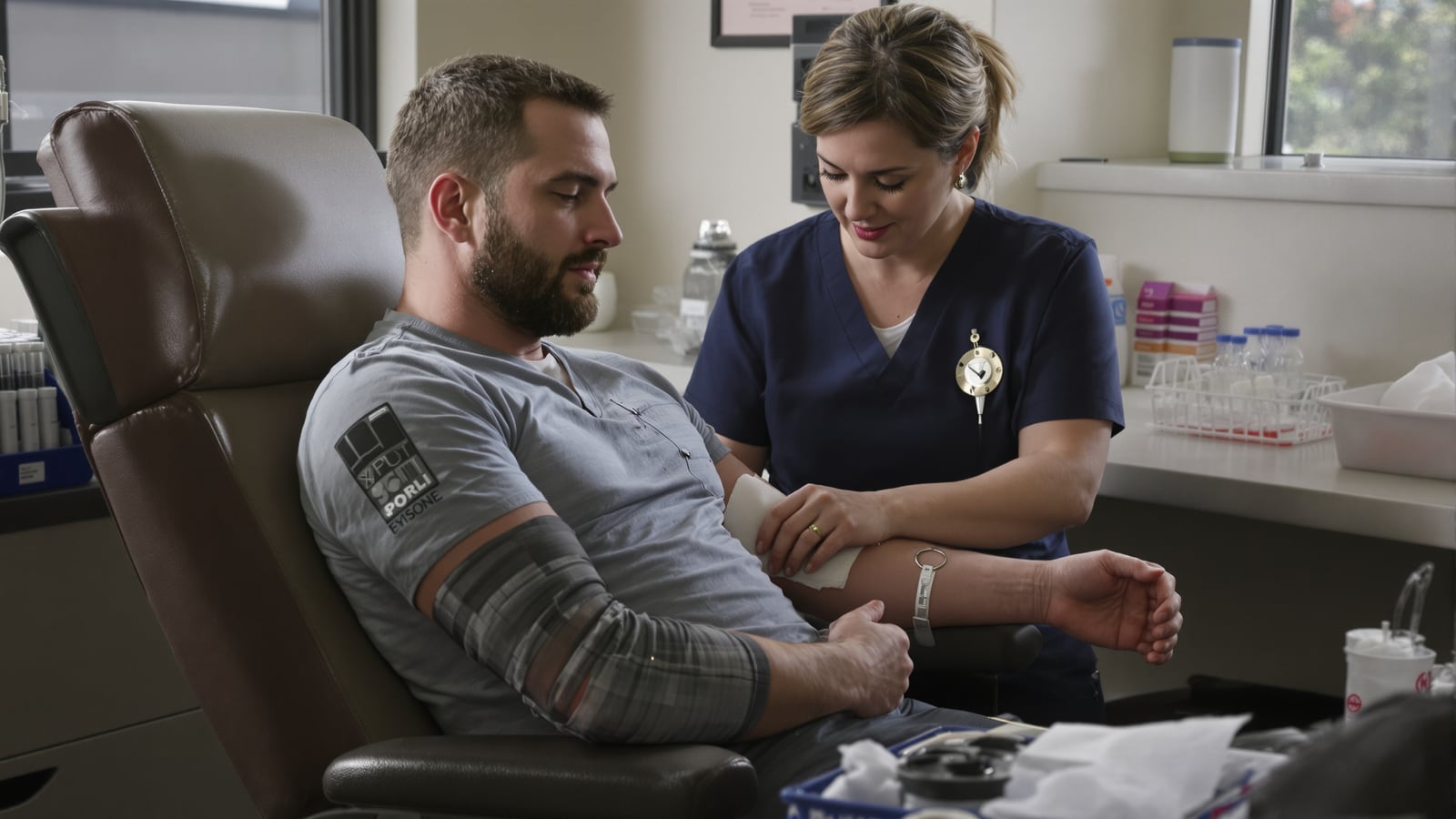
Quick answer: Testosterone declines slowly with age, and most tired dads in their late thirties aren't low. Fix sleep, waistline and alcohol for a few months first. If you still feel off, or you have clear red flags, ask your doctor for a morning blood test, and expect it to be repeated before anyone diagnoses anything. This is general education, not medical advice.
The slide is real, and it's slow
Average total testosterone in men falls gradually from around thirty or forty on. The figure you'll see cited is about one percent a year. That's an average across lots of men. Some barely move. Some drop faster because of weight, medications or illness.
One percent a year won't turn a thirty-five-year-old into a different man by Tuesday. It does mean that the guy at fifty is working with a bit less than the guy at thirty, and that's normal aging, not a disease.
A real medical condition exists, though. Doctors call it hypogonadism, meaning the body isn't making enough testosterone and the man has symptoms to match. Those two things have to show up together. A number alone doesn't make you sick, and a symptom alone doesn't make you low.
What's actually draining you
Picture the typical reader. Forty hours at work, a commute, a kid who wakes at 5:40, a second one who wakes at 3:00. Dinner at 8:15. Weights, if at all, whenever it fits. A couple of beers to decompress. He's tired, he's lost some strength, and his waist has gone up two inches in five years. He reads an ad about low T and thinks, that's me.
Maybe. But look at what else is on the list.
Sleep. A well-known small study put healthy young men on five hours a night for a week, and their testosterone dropped. Short sleep is hard on the whole system, and it's the first thing parents give up. If that's you, start with why eight hours in bed doesn't feel like eight hours of sleep.
Body fat. Extra weight around the middle is one of the best-documented reasons for lower testosterone, and losing it often brings the number back up. That's the cheapest treatment there is. It's also the one nobody wants to hear.
Alcohol. Heavy drinking suppresses it. Two beers on a Friday isn't the issue. Two or three most nights adds up.
Sleep apnea. Loud snoring, waking tired after a full night, a wife who says you stop breathing. It drags testosterone down and it's worth a sleep study on its own merits.
Medications and illness. Opioid painkillers are a known cause. Other prescriptions and some chronic conditions can do it too. Never stop a medication on your own over this. Ask the prescriber.
Overreaching. Hard training on little food and little sleep isn't discipline. It's a hole you dig yourself.
Most of these overlap. Which is the point. You can't tell them apart from the couch, and the symptoms of poor sleep and low testosterone are almost the same list.
When the blood work is worth it
Test after you've given the basics a fair shot. Three months of seven-plus hours most nights, a modest cut in drinking, steady lifting twice a week and enough protein is a fair shot. If your breakfast is coffee, the protein problem is breakfast, not dinner.
Then ask your doctor about a test if you're still dragging, still losing strength despite training, or noticing a real drop in motivation and mood. A doctor will also ask about more private symptoms, and you should answer them honestly. They matter more than the vague ones.
Go sooner, without the three-month wait, if any of these apply:
- You've had a head injury, pituitary problem, testicular injury or cancer treatment.
- You're on opioids or long-term steroids.
- You're losing body hair, muscle or bone density quickly.
- You and your wife are trying for another child and it isn't happening.
- You're getting headaches or vision changes along with the fatigue.
That last one isn't a wait-and-see item. Call the office this week.
How to get a test that means something
A lot of men get one bad test and a lot of bad decisions follow. A few rules:
- Morning. Testosterone peaks early in the day. Most guidelines call for a draw before about ten a.m. An afternoon number can read low and mean nothing.
- Twice. One result can be off. The American Urological Association's guidance calls for a low total testosterone, with a cutoff around 300 ng/dL, on two separate early-morning tests before diagnosing it.
- Not when you're wrecked. Skip the draw after a rough night, a flu, or a week of travel and bad food. You'd be measuring the bad week.
- Ask what else is being checked. A doctor may add things like blood sugar, thyroid, a blood count or the hormones that drive testosterone production. Those can explain the symptoms or change the answer. A test with only one number is half a test.
Labs differ in their reference ranges, so the doctor should read the result, not a website. And a number just under the line isn't a verdict. It's a reason to retest and look at the rest of your life.
What treatment really involves
If two tests come back low and you have the symptoms, you and a doctor can talk about treatment. Go in knowing it's a real commitment, not a vitamin.
Testosterone therapy tends to shut down your body's own production. It can lower sperm count, sometimes sharply, which matters a great deal if you want more children. It can raise your red blood cell count. It needs regular monitoring, including prostate checks as you age, and it's usually long term, because stopping can leave you worse off than before. Large trial data on heart risk has been more reassuring than people feared, but not empty of concerns. Ask about all of it.
A good doctor will also want to deal with the weight, the sleep and the apnea first, because fixing them sometimes fixes the number.
The clinic on the billboard
Telehealth outfits and storefront clinics love a thirty-eight-year-old with a tired face. Some are legitimate. Some run a business model where the answer is always yes and the prescription is always monthly.
Watch for the signs. A test taken at 4 p.m. One draw, then a prescription. No talk about fertility, no talk about sleep, no repeat labs. A subscription price before a diagnosis.
You can say no. Walk out. A man looking after his family doesn't hand over his health to a sales funnel.
The same goes for the "T booster" aisle. Those bottles are mostly vitamins, herbs and marketing, and the label often hides the doses. What a proprietary blend on the label is actually hiding explains why that matters. If a pill really moved your hormones, it wouldn't be sold next to the gum.
The boring answer wins
Sleep seven hours. Lift heavy things twice a week. Eat protein before noon. Drink less. Lose the inch around the waist. Then get checked if you're still flat.
It's less exciting than a clinic with a free consult. But it works for the ones who are fine, and it makes the test honest for the ones who aren't. Your kids need a father with energy for the next twenty years, and the best bet is the unglamorous one.
Cal Brennan
Fitness
Strength coach. Trains fathers, tradesmen and desk workers, which means programs that survive a bad week.

Watch
Worth an hour of your evening
More from Fitness.
From channels we rate. Plays on YouTube.
Read next