Bonanza Still Teaches Fathers How to Raise Sons
Fourteen seasons, 431 episodes, a widower with three boys, and a code worth stealing. Where to start, and what to know before the kids sit down.
Commentary.
The map burns first. A square of parchment marked Ponderosa curls into flame, and four men ride out through the hole it leaves. NBC put that on the air on September 12, 1959, in color, in large part because its parent company RCA was in the business of selling color televisions and needed something worth buying one for.
Fourteen seasons later they were still riding. 431 episodes. Number one in the Nielsen ratings three years running in the mid-sixties, second only to Gunsmoke in longevity among westerns. And here's the part that should interest any man with kids in the house: the most popular show in America, for three straight years, was about a widower and the three sons he raised alone.
A house with no mother in it
David Dortort built the Cartwrights on a premise that would never get greenlit today. Ben Cartwright buried three wives. Adam's mother, Elizabeth, died in New England. Inger, the Swedish woman who named the middle boy Eric and called him Hoss because that's what mountain people called a big friendly man, died on the trail west. Marie, from New Orleans, died at the Ponderosa when Little Joe was small.
Three boys, three mothers, three graves. One father left standing.
That setup does something no sitcom dad arrangement can. It removes every buffer. There's no wife in the kitchen to soften a ruling, no one to appeal to when Pa says no. Ben Cartwright is the whole government of that house, and the show spends fourteen years testing whether he governs well.
Mostly he does. Not because he's gentle, and not because he's hard. Because he's consistent, and his sons can predict him.
The code, as the show actually plays it
Nobody on that ranch ever says the word "values." You learn the rules by watching what costs somebody something.
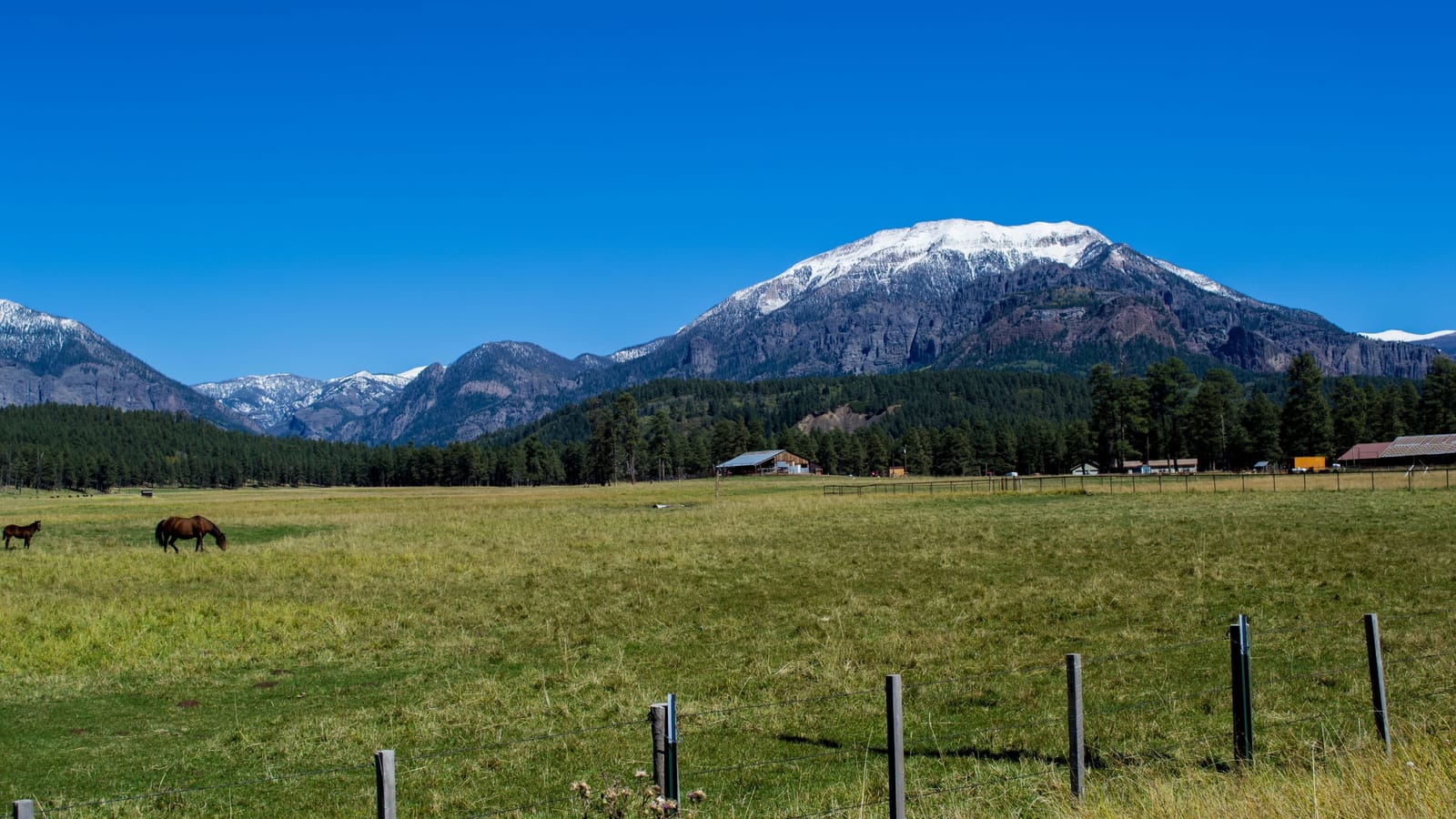
- The land is a trust, not a trophy. The Cartwrights claim roughly a thousand square miles of timber and grazing on the Nevada side of Lake Tahoe, and Ben treats every acre of it as something he'll answer for. He sells timber to the Comstock mines and fights the men who'd strip the whole basin. Stewardship, with a rifle behind it.
- You take in the stranger, and then you find out about him. Half the episodes start with somebody riding up the road who shouldn't be trusted. The Cartwrights feed him anyway. That's hospitality, not naivety, and the distinction is the plot.
- A mob is always wrong, even when it's right about the facts. Bonanza went back to the lynch-mob well again and again, and Ben stands in the street in front of the jailhouse door every time. Due process, argued at volume, by a man in a ten-gallon hat.
- Your word costs more than your herd. Handshake deals get honored on that ranch even when honoring them is expensive, and the show always shows you the bill.
- Brothers argue in the house and stand together outside it. Adam and Little Joe go at each other constantly. Nobody carries it into town.
The thing modern television gets wrong about fathers is that it thinks the choice is between the buffoon and the tyrant. Ben Cartwright is neither. He listens for a long time, then rules, then absorbs the consequences without complaining about them. He apologizes when he's wrong, which happens more often than people remember.
He also raised three sons who turned out completely different, and never once tried to make them the same man. Adam is the college-educated architect who reads. Hoss is enormous and soft-hearted and the one you'd want beside you. Little Joe is quick, charming, and half a second from a fistfight. The show's argument is that a good father produces distinct men, not copies.
Where it creaks
Plenty. The formula is a guest star of the week riding into Virginia City with a problem, and by season eight you can call the ending from the opening scene. The Cartwrights own an enormous cattle and timber operation and are almost never shown doing any actual work on it. A few episodes turn preachy enough that you can feel the script pushing you.
Pernell Roberts, who played Adam, said so out loud at the time. He thought the writing was beneath the cast, and he objected publicly to how few minority actors the industry hired and to the way his character deferred endlessly to his father. He left after six seasons. Watching Adam's episodes with that in mind is actually more interesting, not less.
And Hop Sing, the Cartwrights' cook played by Victor Sen Yung, is written as a period stereotype in a fair number of episodes. Name it for your kids rather than fast-forwarding it. The conversation is worth more than the edit.
What's actually in it
Gunfights, fistfights, and men who die. Hangings, attempted and completed. Drunkenness, grief, the occasional genuinely dark hour. One fifth-season episode called "The Crucible," in which Adam is stranded in the desert with a deranged prospector, is the one that unsettles adults, never mind children. Save it.
There's nothing sexual in Bonanza. Not implied, not winked at. No profanity beyond a period "damn" once in a long while. Violence is bloodless and mostly consequential, meaning somebody grieves afterward.
For most families, eight and up handles it fine. Six-year-olds will manage the comic episodes and be bored by the courtroom ones.
Six to start with
Order barely matters. It's a fifty-minute anthology with the same four men in it.
- "A Rose for Lotta" (the pilot) — the only episode where the Cartwrights feel genuinely dangerous, and Adam is nobody's idea of a sidekick.
- "Enter Mark Twain" (first season) — Samuel Clemens shows up at the Territorial Enterprise. Better than it has any business being.
- "Inger, My Love" — Ben's flashback to Hoss's mother. Dan Blocker sits mostly silent in it and it still guts you.
- "The Hayburner" — a horse race, pure comedy, the one to put on with young kids.
- "The Wish" — Michael Landon wrote and directed it, about a black family homesteading nearby, and it's the show reaching further than usual.
- "Hoss and the Leprechauns" — silly, and the episode your kids will quote for a week.
It turns up free on the ad-supported channels and on MeTV's schedule, though what's streaming where shifts every few months. Much of the run has lapsed into the public domain, which is why it's never hard to find.
Dan Blocker died in the spring of 1972, and the show did something television almost never did then. It didn't recast Hoss and it didn't quietly stop mentioning him. It let him be dead and let the family carry it. That's the last thing the Cartwright code has to teach, and the hardest one.
Put it on some Sunday afternoon. Your sons will complain about the pacing for roughly eleven minutes. Then somebody in Virginia City will insult Hoss, and the room will go quiet, and you'll get to watch your boys work out what kind of men they want to be when they're the ones getting pushed.
Dean Shaw
Gear & Garage
Reads the warranty, the parts list and the long-term owner reviews before anything else. Trucks, tools, watches, and the cheap version that costs more.

Watch
Watch how it's done
Picked for this article.
From channels we rate. Plays on YouTube.
Bonanza
He's My Boy, My Problem | Bonanza | The Trail Gang
Read next