What The Waltons Still Gets Right About Fathers and Work
Nine seasons, a failing sawmill and a bedtime sign-off that became a national catchphrase. It holds up better than it has any right to.
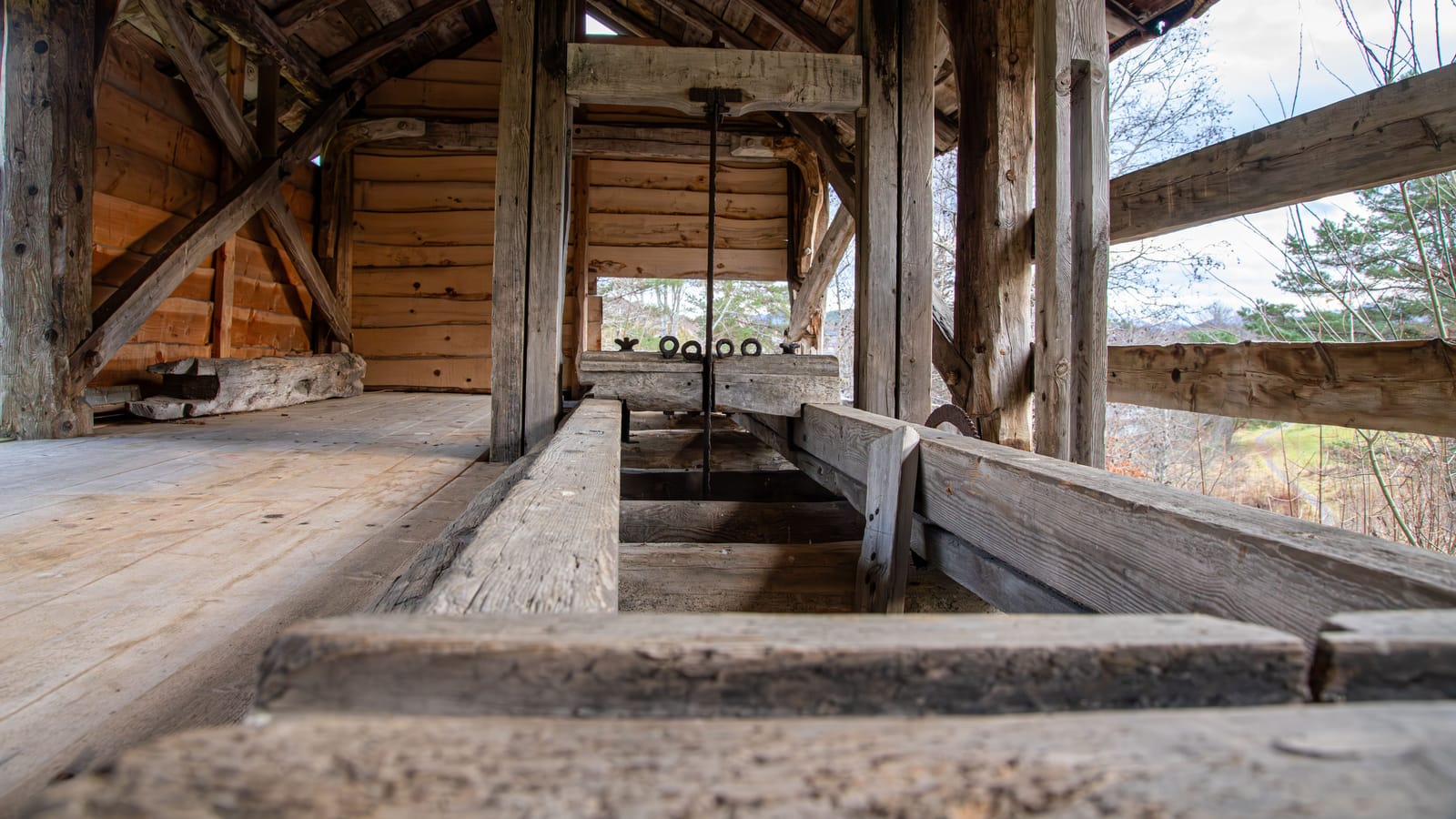
John Walton runs a sawmill that doesn't make money.
That's the engine of the whole show, and it's why more than 200 episodes of a gentle Depression-era family drama still land in a house where everyone has a phone. The man has seven kids, two parents under his roof, a wife who holds the line on Sunday, and a business that depends on somebody in Charlottesville actually paying him for the lumber. Most episodes start with a problem that costs money. Most of them end with the problem half-solved and the family intact. That's not sentimentality. That's most men's actual lives.
CBS didn't expect it to survive. When The Waltons premiered in September 1972 it was dropped into Thursday nights opposite The Flip Wilson Show on NBC and The Mod Squad on ABC, which is the television equivalent of being asked to leave quietly. It beat both. By the following spring it had the Emmy for best drama series and Richard Thomas had one for playing John-Boy. Earl Hamner Jr., who created it out of his own boyhood in Schuyler, Virginia, narrated the thing himself in that unhurried Blue Ridge voice, and closed nearly every hour with lights going out one window at a time.
The father is the point
Ralph Waite plays John Walton as a man who is tired and doesn't mention it.
He's not the bumbling sitcom dad and he's not a granite statue either. He loses his temper. He's wrong sometimes and says so, usually late and badly, the way men do. He takes work he doesn't want because the work pays. When his oldest son says he wants to be a writer instead of a millhand, John doesn't give a speech about following your dreams. He's quiet about it, he's a little hurt, and then he builds the boy a desk.
What the show understands, and what almost nothing on television understands now, is that a father's authority comes from carrying weight nobody thanks him for. The kids see him leave before light. They see him come back with sawdust in his collar and a small amount of cash. Provision isn't a theme in The Waltons, it's the plot.
Olivia is the other half and she's no doormat. Michael Learned won her Emmys for good reason. She runs the house, she runs the budget, and she's the one who gets everyone to church on Sunday, including on the Sundays John finds a reason to be at the mill instead. That tension is written in and never resolved cheaply. He believes. He's just not a pew man. She prays for him anyway and doesn't nag him into the aisle.
Faith that isn't a sermon
The show is openly Christian and almost never preachy, which is a needle nobody threads anymore.
Grace gets said. Scripture gets quoted by Grandma Esther, usually as a weapon in an argument she's already winning. The Baldwin sisters two miles down the road keep making their late father's "recipe" and cheerfully refuse to hear the word moonshine, which is the funniest running joke in the series and also a small lesson in how a community handles the neighbors it can't fix.
And when the writers wanted to say something real about faith, they let John Walton do it. There's an hour where a visiting preacher works the county up into a book burning, and John, who barely goes to church, is the man who stands in front of the fire. He's not defending the book. He's defending the idea that free people read what they want and decide for themselves. It's a better argument for liberty than most things written about liberty since.
There's also a two-part story where the government moves to clear a mountain family off land they've held for generations to make a national park. The show doesn't pretend that's a small thing.
The content report, plainly
Nothing sexual. Not a frame of it, across nine seasons.
Here's the honest list of what's actually in there, so you can decide for your own house. Characters die, on screen and off. Grandpa Zeb is written out after Will Geer's death in 1978, and the season seven opener handles the funeral without flinching, which is a hard forty-eight minutes with a grieving eight-year-old in the room. The later seasons run into World War II, so there are telegrams, wounded men, and a son at war. Olivia gets written out with an illness that sends her away for a long treatment. There's a fire. There's a rattlesnake. There's poverty, hunger, and a handful of episodes about drinking that treat it as a real problem rather than a punchline.
No profanity worth the name. No violence beyond a fistfight and the sound of a war happening somewhere else.
Where it sags
It can be sugary. Some episodes wrap up with a moral in the last ninety seconds that the previous forty-five minutes had already earned without saying it out loud, and a sharp fourteen-year-old will catch that and roll their eyes. Let them. It's a fair hit.
The bigger honest criticism is that Depression poverty on Walton's Mountain is cleaner than Depression poverty was. The clothes are worn but never filthy. Nobody's teeth go bad. The Waltons are broke in a way that's always survivable by Friday. If you want the real thing, that's a different night and a documentary.
And the show changes when Richard Thomas leaves after season five. John-Boy was the eyes of the thing, and the later years lean on the younger kids and the war. Season eight and nine have good hours in them. They're not the show that won the Emmy.
How to actually watch it
Start with the 1971 TV movie The Homecoming: A Christmas Story, which is where all of this came from. Patricia Neal plays Olivia in it, not Michael Learned, and the cast is otherwise mostly different, so treat it as a prologue rather than episode zero. It's a Christmas Eve, a missing father, a bus in the snow. Ninety minutes, and if your family isn't in after that, they're never going to be.
Then go to season one, episode one, and watch in order. Don't skip around. The show is cumulative. The reason the sign-off works by season three is that you've sat with these people for sixty hours.
Practical notes. Episodes run close to fifty minutes without commercials, which is long for a school night. One a week beats three on a Saturday. It plays best with kids around eight and up, because the pace is patient and there's no action to carry a six-year-old through the slow middle. The complete series exists on disc, and the streaming rights move around often enough that it's worth checking before you promise anybody anything.
Watch what your kids do afterward. Somewhere around the fifth or sixth episode, one of them will say good night from the top of the stairs and wait to see if you answer.
Answer.
Nina Castellan
BRO for Her
Runs the women-facing desk. Same standard, same tools, written for a different reader — not a softer one.

Watch
Watch how it's done
Picked for this article.
From channels we rate. Plays on YouTube.
Judy Norton
The Waltons - The Walton Fathers - behind the scenes with Judy Norton
Read next