Boat Launch Etiquette That Keeps the Ramp Moving
Everything you should have done before your trailer tires touch the water, plus the retrieval mistakes that make a Saturday morning line back up to the road.
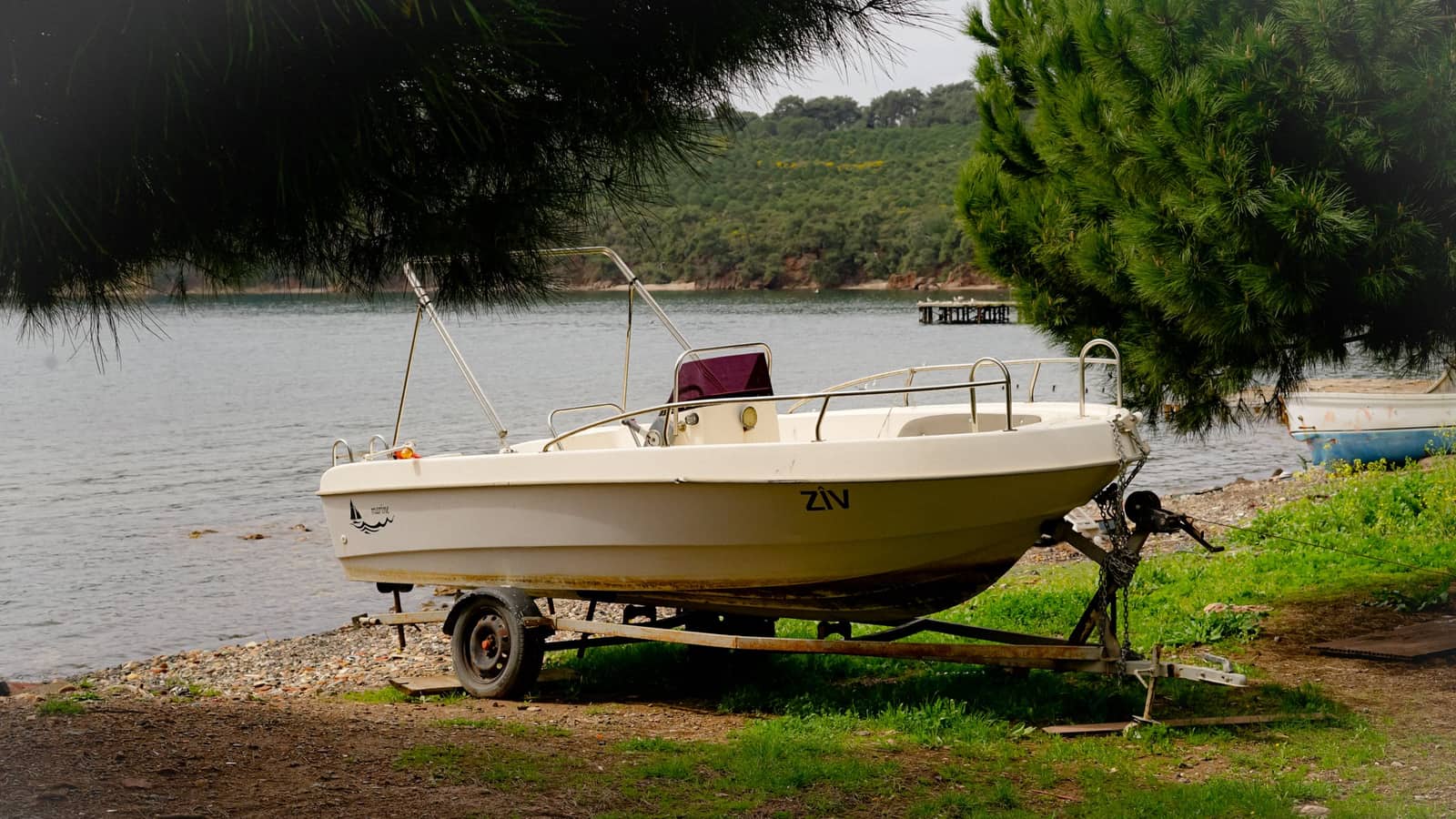
Put the drain plug in before you back down. Not at the water's edge, not after the stern floats, not once you notice the bilge filling. In the gravel lot, with the tailgate down and a coffee in your hand, ten minutes before anybody's waiting on you.
That one habit prevents about half of the ramp comedy you've ever watched.
The other half happens because somebody treated the concrete like a workbench. I sat in a truck at a Corps of Engineers ramp one June Saturday behind a man with a brand-new pontoon who did every single piece of his prep with his trailer in the water. Straps. Cooler. Rod holders. A phone call. Twenty-two minutes by the dash clock, six trucks stacked up behind him, and one guy in a bass boat who idled out of the cove, took one look, and went back to fishing. Nobody yelled. Everybody watched. That's worse.
The staging lot is where the work happens
Every decent ramp has an area off to the side for rigging. Use it. If your ramp doesn't have one, use the far edge of the parking lot. What gets done there:
- Drain plug in, hand-tight plus a quarter turn.
- All transom straps and tie-downs off. Bow strap and safety chain stay on until you're in the water.
- Bow line and stern line tied to the boat's cleats, coiled, with the loose ends where you can grab them from the dock.
- Life jackets, cooler, rods, tackle, net, keys, phone. All aboard.
- Motor tilted up enough to clear the ramp lip, battery switch on, blower running if you've got a gas inboard.
- Plug. Again. Look at it with your eyes.
That whole routine takes under ten minutes the first few times and about four once it's muscle memory. Do it while somebody else is launching and you've cost the world nothing.
If you show up before dawn, kill your high beams when another truck starts backing. You're not helping. You're blinding a man who's trying to find a 9-foot lane in a mirror, and the boat behind him is taking your headlights right in the face too.
Backing down without the eight-point turn
Hand at the bottom of the wheel. Move your hand the direction you want the trailer to go. That's the whole trick, and it works because it stops your brain from arguing with the mirrors.
Small corrections. A trailer that's an inch off at the top of the ramp is a foot off at the bottom, so fix it early and fix it gently. When it starts to jackknife, don't try to steer out of it. Pull all the way forward, straighten out, start again. Two clean attempts look competent. One eleven-minute wrestling match doesn't.
Get your truck square with the lane before you start rolling back. Most of the difficulty people have is that they begin the maneuver from a bad angle, in the wrong spot, with the trailer already cocked.
Practice in an empty church parking lot on a Tuesday with two trash cans set 10 feet apart. Nobody's watching, and you'll fix in an hour what you've been white-knuckling for three seasons.
And if there's a spotter available, use one. Agree on hand signals first, because "a little more" shouted across 40 feet of water and outboard noise means nothing.
The 90-second launch
From the moment your trailer tires hit wet concrete to the moment your truck is climbing back out, you're aiming for a minute and a half.
Back until the boat floats free or nearly so. Depth depends on the ramp, so watch the first guy ahead of you and match him. Set the parking brake. Walk back, unhook the winch strap and the safety chain while holding the bow line, push the boat off, walk it to the courtesy dock, cleat it off. Get in the truck. Drive up. Park.
Then go back for your boat.
If you're solo, tie a bow line long enough to reach the dock before you back in. Some guys start the motor and drive the boat off the trailer, which is fine on a steep ramp with a helper and lousy on a shallow one in a crosswind. Know which kind you've got.
Don't warm the engine up on the trailer while it's blocking the lane. Don't load kids into the boat on the ramp. Don't have the family conference about which cove to try first with the transom still dripping.
Park it like the lot has rules, because it does
Truck and trailer go in the long spots. Pull through where you can so you're not backing out at 4 p.m. with a line of boats waiting.
One rig, one spot. If your setup genuinely eats two, park at the far end of the lot where it costs nobody anything.
Pay the fee. Ramp fees, launch permits and parking passes vary by state, province and even by which agency owns the water, and the self-pay envelope is usually the difference between a five-dollar day and a citation that isn't five dollars. Check your state wildlife agency or the managing authority before you go.
Retrieval is where good manners go to die
The same sin, in reverse. Guys pull the boat out, stop at the top of the ramp, and start strapping, draining, unloading, and telling fish stories while eight trailers sit in the sun.
Get the boat on the trailer, winch it tight, drive up and out, and park somewhere flat. Everything else happens there. Straps, plug out, gear, rinse-down if the ramp has a hose.
About power loading. Running the motor hard to drive the hull up onto the bunks blasts a trench at the base of the ramp, which is why so many ramps have a drop-off at the end that swallows trailer tires and snaps lower units. Yours included, eventually. Some jurisdictions prohibit it outright. Back deeper, hook the winch, crank it. In heavy wind or current a little throttle at idle to hold the boat straight is reasonable and sometimes necessary. Full throttle isn't, and everybody at the ramp knows the difference by sound.
The courtesy dock is a bus stop
It's for loading and unloading people and gear. It's not a parking spot, a lunch table or a fishing pier. Ten minutes is generous. If you want to eat a sandwich, idle 200 feet off and eat it.
Keep your wake down anywhere near the ramp. Your three-foot roller slams somebody's gelcoat into a dock cleat, and that's a $400 apology you'll never get to make because you'll be gone.
Dogs and kids stay off the lane and out of the water. Ramps below the waterline grow algae that's slicker than anything you've walked on, and a dog that bolts across a backing trailer turns a normal morning into the worst one of your life.
Clean, drain, dry, and know your state
Before you leave, pull the plug, drain the bilge and the livewell, and pull weeds off the trailer and the prop. A lot of states require the drain plug to be removed during transport, and inspection stations at popular lakes will check. Rules differ across state and provincial lines, sometimes between neighboring reservoirs, so look up the current regulations for the specific water you're fishing.
It takes three minutes and it keeps zebra mussels and hydrilla out of the next lake, which is the same lake your grandson wants to fish.
One more thing
When you see a guy struggling, get out and catch his bow line. Don't coach him. Don't narrate. Just take the rope, hold the boat steady, hand it back, and go sit down.
Half the men at that ramp were you, once, with a borrowed trailer and a wife watching from the truck. The line moves faster when somebody helps than when everybody watches.
Wes Dunbar
Country & Skills
Grew up on an acreage and never quite left. Covers trucks, trades, land, and how to do the thing yourself.

Watch
Watch how it's done
Picked for this article.
From channels we rate. Plays on YouTube.
BoatUS
How To LAUNCH Your Boat at the Ramp [In 6 EASY STEPS!] | BoatUS
Victorian Fisheries Authority
Boat Ramp Guide: Launching and retrieving your boat with ease
Read next