Fried, Grilled and Blackened Without Ruining the Fish
Most fish dinners are lost at the boat, not the stove. Handle the catch right, then pick the method that fits the fillet.
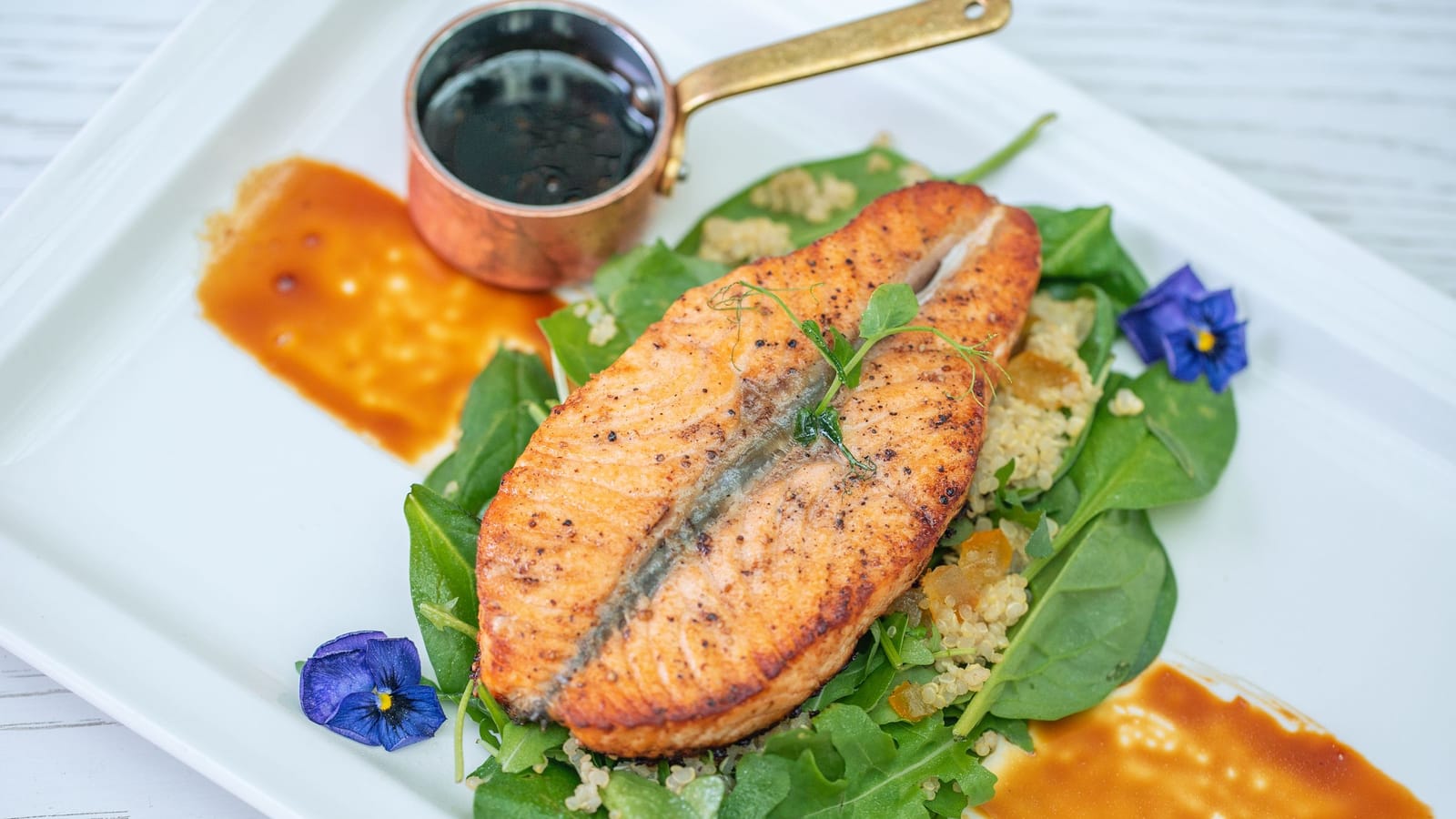
A walleye that sat in a livewell for four hours in July is already a mediocre dinner, and no amount of cornmeal fixes it. The single biggest jump in quality you can make isn't a recipe. It's a cooler with a real ice slurry, made before you launch.
Slurry means ice plus water plus a couple handfuls of the lake, enough to submerge fish completely. Straight ice cubes only chill the spots they touch. Water conducts, so a slurry drops a fish to around 33 degrees in minutes, and cold fish stay firm instead of going soft and cottony. If you're keeping fish, bleed them: one cut through the gill arches, thirty seconds in the water, then into the slurry. Bled fillets cook up whiter and taste cleaner, especially on bloodier fish like stripers and lake trout.
That's the whole secret. The rest is heat management.
Match the method to the fillet
Thin and flaky wants oil. Walleye, perch, crappie, bluegill, croaker, whiting, small catfish. These fall apart on a grate and overcook in about ninety seconds, so you fry them and you're a hero.
Firm and thick wants fire. Salmon, steelhead, mahi, wahoo, king mackerel, striper loins, big redfish. Anything you can cut three quarters of an inch thick or better will hold together over coals.
Blackening is the middle lane. It wants a fillet that's firm enough to flip in a screaming cast iron skillet but thin enough to cook through in five minutes. Redfish is the classic for a reason. Snapper, speckled trout, catfish, black drum and grouper all take it well.
One honest limit: oily, strong fish like bluefish and big king mackerel don't improve with delicate treatment. Grill them hot with something acidic nearby, or smoke them. Don't try to make them taste like flounder.
Frying, and the three things people get wrong
Get a thermometer. A clip-on candy thermometer costs about twelve bucks and it's the difference between a golden fillet and a grease sponge. You want the oil at 350 to 365 degrees. Below 325, the coating drinks oil. Above 375, the crust browns before the middle is done.
Peanut oil is the best all-around choice for its smoke point and neutral taste. Canola works fine and costs less. Use enough that the fillets float, at least two inches in a Dutch oven, and never fill a pot more than halfway.
Soak the fillets in buttermilk for thirty minutes while the oil comes up. Then dredge in half all-purpose flour, half fine yellow cornmeal, seasoned with salt, black pepper, garlic powder and enough cayenne to notice. Press it on. Let the breaded fillets sit five minutes so the coating sets, or it'll slide off in the pot.
Three or four fillets at a time, no more. Crowding tanks the oil temperature, and once you're at 300 degrees you're steaming fish in fat. Let the oil climb back before the next batch. Panfish take about three minutes, thicker catfish strips four to five. They tell you when they're ready by floating and by the bubbling slowing down.
Drain on a wire rack, never paper towels. Paper traps steam under the fillet and softens the bottom crust. Salt the second they come out, while the surface is still hot enough to grab it.
Grilling without leaving half the fish on the grate
Clean grate, hot grate, oiled fish. In that order. Run the grill to 500, scrub it, then wipe the bars with a rag dipped in oil held with tongs. Oil the fillet itself too. Oiling only the grate is why your salmon skin is still sitting there tomorrow.
Skin-on is your friend. Cook skin side down for most of the time, 6 to 8 minutes for an inch-thick salmon fillet over direct heat, then either flip for a minute or just pull it. The skin is a built-in heat shield and a handle.
For a whole trout or a two-pound bass headed for the grill, score the sides three times down to the bone, stuff the cavity with lemon slices and whatever herbs are growing by the back door, and cook 5 to 6 minutes a side over medium. Fins going crisp and dark is the signal, not a timer.
Cedar planks aren't a gimmick. Soak one an hour, set it over indirect heat around 375, lay the fillet on it, close the lid for 20 to 25 minutes. You get smoke and you never touch the fish. It's the most forgiving way to cook salmon for people who wander off to talk to the neighbors.
Delicate fillets can still go outside. Put a cast iron pan or a griddle plate right on the grates and treat it like a stove.
Blackened means toasted spice, not burnt
Blackening was never about char. Paul Prudhomme's method takes a dry skillet to the edge of its ability, so the paprika and herbs in the crust toast dark in butter fat within seconds. Burnt tastes bitter. Blackened tastes like roasted pepper and thyme.
Mix your own: two parts sweet paprika, one part each of garlic powder, onion powder and salt, then a half part each of dried thyme, dried oregano, black pepper, white pepper and cayenne. Scale it to a half cup and keep it in a jar.
Heat cast iron for a solid 10 minutes until a drop of water skitters and vanishes. Dip each fillet in melted butter, both sides, then press it into the spice until it's coated like it's been rolled in dirt. Lay it down and don't move it. Two to three minutes, flip once, two more.
Do this outside. A side burner, a turkey fryer burner, a camp stove, anything with an open sky above it. The smoke output is real and your smoke detector isn't going to negotiate. I learned that the week before Thanksgiving with a houseful of in-laws and a front door propped open at 40 degrees.
Pull fish at 145 degrees internal, or when a fork twists the flakes apart with no resistance and no translucent line in the middle. Thin fillets carry over fast, so err early.
Before you keep anything
Limits, slot sizes and seasons are set state by state and province by province, and they change. So do the rules on how you transport a fillet. Plenty of states require a patch of skin left on so a conservation officer can identify the species, and some require fish stay whole until you're off the water. Check the current regulations for the water you're on, not the ones you memorized in 2015.
Fish consumption advisories are separate from fishing regs and usually come from the state health department. They matter most for pregnant women, nursing mothers and young kids, and they're specific to individual lakes and rivers. Look up your water. It takes two minutes.
And release the ones you don't need. A 28-inch walleye is a breeder and a photograph. A 15-incher is dinner. There's no contradiction in respecting both, and the man who can tell the difference is the one who'll still have fish to catch when his grandson is old enough to hold the rod.
Now get the oil hot. Say grace. The crappie are getting cold.
Wes Dunbar
Country & Skills
Grew up on an acreage and never quite left. Covers trucks, trades, land, and how to do the thing yourself.

Watch
Watch how it's done
Picked for this article.
From channels we rate. Plays on YouTube.
Smokin' & Grillin with AB
Southern Fried Catfish: How to cook this delicious fish
HOME COOK HERO
The Perfect Blackened Fish Recipe // Easy Way to Blacken Any Fish You Have!