Size Limits, Slot Limits and the Rules That Keep Fish Coming
Why the state tells you to throw back the 30-inch redfish and keep the 24, and how to stay legal without reading a 90-page booklet.
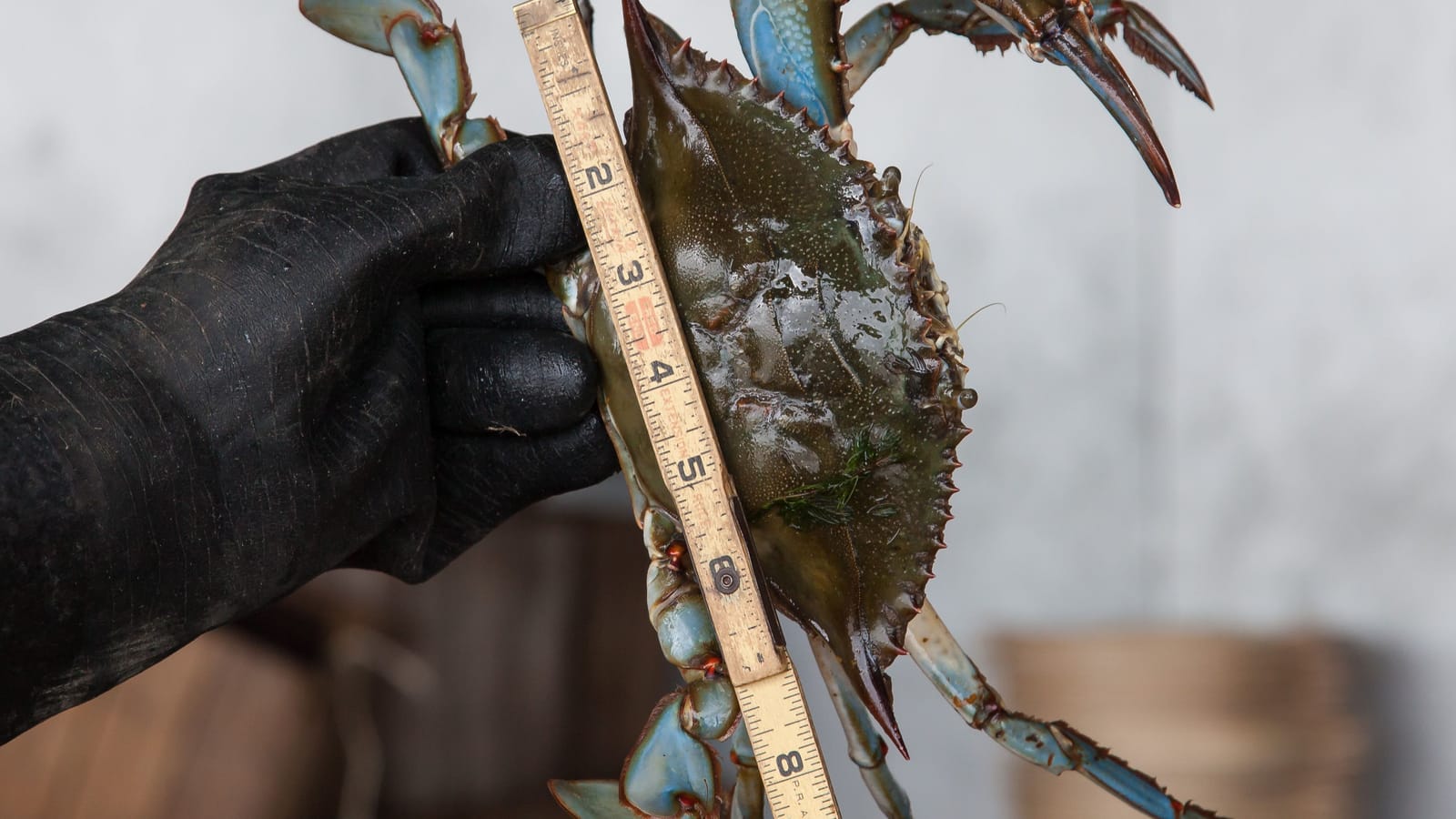
A 19-inch redfish is a beautiful thing right up until the ruler says 20 is the floor. Then it's a photo and a wet-hands release, and you go find another one. That single inch is the entire argument about fisheries management, and most anglers never bother to learn why it's there.
So learn it. It takes ten minutes, it'll save you a citation, and it makes you the guy on the boat who actually knows what he's doing.
Measure the fish the way the state measures the fish
Most disputes with a warden aren't about cheating. They're about measuring wrong.
Total length means the tip of the snout to the tip of the tail, and many states let you pinch the tail lobes together to get the longest possible measurement. Some don't. Fork length stops at the notch in the middle of the tail. Curved versus straight matters too, and a few agencies specify the fish must lie flat on its side with the mouth closed.
Buy a rigid measuring board, not a tape. Twelve bucks at any tackle shop, and it lives in the boat. A flexible tape over the curve of a fish's back can add an inch you don't have, and "I thought it was legal" isn't a defense anywhere I've fished.
Measure before the fish goes in the box. Not after. A fish on ice shrinks slightly, and the warden checks what's in the cooler, not what you remember.
Minimum sizes exist so fish get to spawn at least once
This is the whole logic. A minimum length is a bet by biologists that a fish of that size has already reproduced. Let every one of them do that job once, and the population refills itself.
Crappie minimums in a lot of reservoirs run 9 or 10 inches for exactly this reason. Walleye minimums, trout minimums on stocked tailwaters, the 14-inch largemouth rule you'll find across a pile of states. Same idea every time: don't harvest the fish before it's paid its rent.
Minimums also stop the slow grind of a fishery turning into a bucket of six-inch bluegill. A lake where everybody keeps everything doesn't run out of fish. It runs out of big fish, which is worse, because it feels like fishing right up until you notice nothing has any shoulders.
Slot limits protect the breeders at the top
A slot is where it gets interesting, and where it confuses people most. A slot limit tells you to keep fish inside a window and release everything outside it. Texas has run a 20-to-28-inch slot on redfish for a long time, with a tag that lets you take one oversized fish a year. Florida uses slots on redfish and snook. Plenty of inland walleye and bass lakes run protected slots too.
The reason is simple and a little counterintuitive: the biggest females are worth the most.
A large mature female doesn't produce a little more spawn than a small one. She produces dramatically more, and often better-quality eggs, spawning over a longer window. Kill her and you've removed a factory. Kill a mid-sized fish and you've removed a worker. The slot says take the workers, leave the factories, and leave the juveniles alone until they've grown into workers.
There's a second reason, too. Bass lakes sometimes use a slot to force harvest of the crowded middle so the survivors have enough forage to actually grow. In that case the biologist wants you to keep fish. Refusing to take your limit out of some vague conservation instinct is working against the plan.
Read the regulation, not the vibe. Some waters want your harvest. Some want your restraint.
Bag, possession, and the fillet rules people forget
Your daily bag is what you can catch and keep in a day. Your possession limit is what you can have anywhere, including the freezer at the cabin, and in a lot of states it's two daily limits. Drive home with three, and it doesn't matter that you caught them over three legal days.
Aggregate limits stack species. Five trout total, no more than two of them browns, that kind of thing. Read the footnotes.
Then there's fillets. A great many states require skin left on a fillet so the species is identifiable, and some require you to keep the carcass or rack until you're off the water. Filleting a limit of walleye at the ramp into anonymous white slabs is how otherwise honest men end up with a ticket.
Live bait has rules of its own. Moving bait between watersheds spreads disease and invasive species, and several states now prohibit transporting live fish from the water you caught them in. Dump the bucket where you filled it.
The license itself
Buy it online before you leave the house, screenshot it, and save the PDF to your phone. Cell service at the ramp is a coin flip and most states accept a digital copy.
Watch for the add-ons. Trout stamps, salmon stamps, saltwater registrations, two-pole endorsements, special permits for certain reservoirs. A base license plus a missing stamp is still a violation. In Ontario you'll choose between a Sport license and a Conservation license, with the Conservation version costing less and carrying reduced limits, which is a perfectly good deal if you're mostly releasing anyway.
Some categories fish free or cheap. Kids under a certain age, seniors, disabled veterans, and in a handful of states, anyone fishing from shore or a licensed pier. Free Fishing Days happen in most states at least once a summer and they're the easiest way to take a neighbor's kid out without paperwork.
And the obvious: rules vary by state and by province, and they change. The slot that was right last May may be different this May, especially in saltwater where a season can close on short notice. Download this year's booklet. Check the agency's website the week of the trip. If the language is ambiguous, call the regional office and ask a human.
Releasing a fish so it actually lives
Catch-and-release only works if the fish swims off in condition to spawn. Otherwise you've just killed it slowly and felt good about it.
- Wet your hands before you touch it. Dry hands strip the slime coat.
- Support a big fish horizontally with a hand under the belly. Hanging a heavy fish vertically by the jaw can wreck its internal support.
- Keep it in the water while you unhook. Thirty seconds of air is fine. Two minutes on a hot deck isn't.
- Use circle hooks with bait. They hook the corner of the jaw instead of the gut, and gut-hooked fish rarely make it.
- If a hook is deep, cut the leader at the mouth. Don't go mining.
- Fishing deep reef species? Carry a descending device. A fish with its stomach pushed out of its mouth can't swim down on its own.
Release mortality isn't zero, no matter how careful you are. That's the honest trade-off, and it's the reason a thoughtful angler sometimes keeps a legal fish instead of releasing four more. Keeping fish isn't a moral failure. It's the point of the whole arrangement, and a limit of crappie in hot oil with your kids at the table does more for the future of fishing than any bumper sticker.
Just measure it first.
Wes Dunbar
Country & Skills
Grew up on an acreage and never quite left. Covers trucks, trades, land, and how to do the thing yourself.

Watch
Watch how it's done
Picked for this article.
From channels we rate. Plays on YouTube.
Fisheries Queensland
How to measure a fish correctly
Pompano Brownie
Surf Fishing Size Limits and Measure Rules
Read next