Build one room before you build a world
Most mods die at 20 percent finished. The fix is embarrassingly small: one room, one idea, and somebody watching you play it.
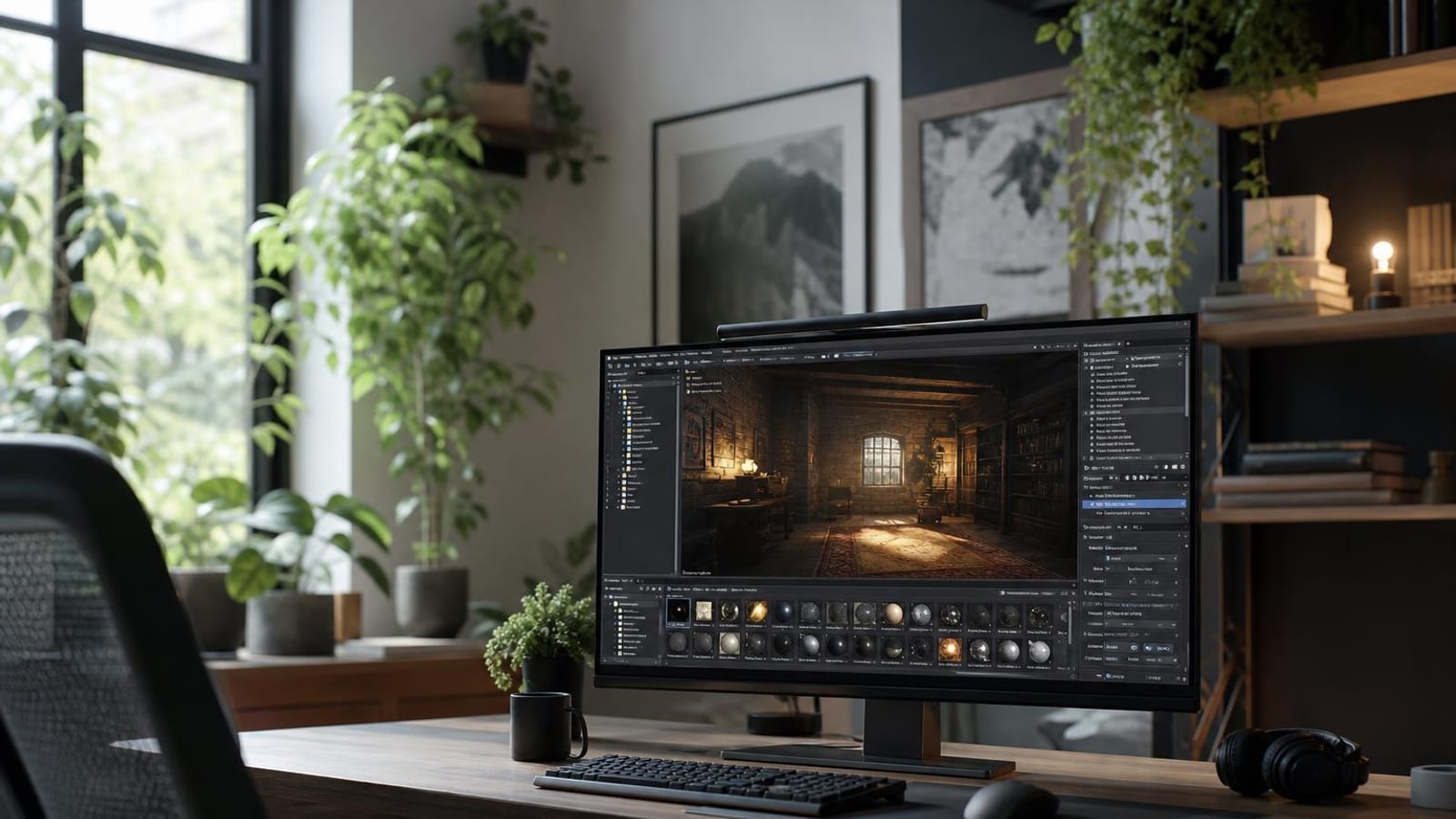
Open Ultimate Doom Builder tonight and draw a room 512 units square. Put a door on the north wall, a shotgun on a pedestal in the middle, and two imps behind pillars so the player doesn't see them until the gun is picked up. Save it. Play it. That's a level. It took you forty minutes and it's finished, which puts you ahead of roughly everyone who announced a total conversion on a forum in 2019.
The graveyard is the point. Every mod community has hundreds of abandoned projects with beautiful concept art, a Discord server, a lore document nobody read, and no playable build. They didn't fail from lack of talent. They failed because the first thing anyone made was the fifth thing they should have made.
Pick the engine by its community, not its renderer
You'll be stuck on something at 11pm on a Tuesday. What saves you is a forum thread from 2013 where somebody else hit the same wall.
Doom, through GZDoom and Ultimate Doom Builder. The fastest path from nothing to playable. Geometry is drawn top-down in 2D, then you set floor and ceiling heights. You can make a working level in an evening, and the modding scene has been answering questions for thirty years.
Source, through Hammer. Ships with Half-Life 2, Portal 2 and Counter-Strike. Brush-based, which means you build out of solid blocks and carve into them. Fiddly, occasionally infuriating, and still the best teacher of pacing and sightlines I know.
Skyrim's Creation Kit, or Fallout 4's. Best if you want to build quests and dialog rather than shooting corridors. You'll spend more time in spreadsheets of NPC records than you expect.
Unreal Engine. Free to download, and where the jobs are. It's also the steepest of these. Starting here's like learning to cook by attempting a five-course dinner.
If you already play something with a Steam Workshop, start there. The friction of installing tools kills more projects than difficulty does.
Gray boxes first, and for much longer than feels right
A blockout is your level made entirely of untextured boxes. No lights, no props, no sound. Just shapes you can walk through.
This is where the level is actually designed, and it's where beginners cheat. Texturing a wall gives you a hit of progress. Moving a wall 64 units left doesn't feel like anything, and it's the work.
Learn your engine's measurements and keep them on a sticky note. In Hammer the player is 72 units tall and can step up 18 units without jumping, so build your stairs in 8-unit risers and they'll feel smooth instead of like climbing a ladder. Doors want to be wider than you'd draw them on paper. A corridor sized to exactly fit the player reads as claustrophobic in a bad way, not a tense way.
Gray box the whole thing before you texture anything. If the layout only works once it's pretty, it doesn't work.
The one-minute rule
Watch a stranger play your first sixty seconds and you'll learn more than from a month of tweaking.
Players go where the light is, where the floor is clear, and where they can already see something. They don't read your signage. They don't notice the arrow you painted on the ground because they were looking at the skybox.
I once built a T-junction with a corridor left and a corridor right. Left had a flickering red light at the end. Right had the objective. Every single person went left. Not most. All of them. I'd spent an hour on that light because it looked good in a screenshot, and it was quietly overriding everything else in the level.
Move the light, and they all go right. That's level design. It's almost never text on screen. It's brightness, contrast, the direction a corpse is facing, and where the corridor is slightly wider.
How to run a playtest that's worth anything
Get someone in the room. A friend, a brother, your wife if she'll humor you. Sit behind them.
Then shut up.
Not "mostly quiet". Silent. The moment you say "you need to go through the vent," the test is over and you've learned nothing, because you just supplied the information your level was supposed to supply. Write down every place they hesitate for more than three seconds. Write down every place they backtrack. Don't write down what they say afterwards, because people are polite and they'll tell you it was great.
Three testers is enough to find the big problems. If two of the three get stuck in the same spot, it's not them.
Finishing is a separate skill from building
You'll get to about 80 percent and the remaining work will all be unglamorous. Clipping brushes so players can't stand on a ledge. Fixing the leak that stops the map compiling. Writing a readme. Taking screenshots that aren't at 2am in a dark room.
Set a hard scope and defend it. One level. Ten to fifteen minutes of play. One new idea, and only one, whether that's a weapon, a mechanic, or a single set-piece. Everything else you think of goes in a text file called NEXT.txt and stays there.
Then ship it. Steam Workshop, itch.io, the relevant mod site, whichever fits. Put three screenshots and a two-line description. Say what the level is and how long it takes.
The first comment will be someone reporting a bug you already knew about. The second will be someone who genuinely enjoyed it. That second one is worth more than a month of planning a project you never release.
The honest trade-off
Modding won't get you a games job on its own. Studios hire from portfolios, and a portfolio means several finished, polished, playable things with a clear point of view, plus the ability to take a note without sulking. One Doom map isn't that. Ten of them, getting better, might be the start.
It also eats time in a way that's easy to miss. Level editors are the most absorbing software ever written. You sit down after dinner, adjust a ceiling height, and it's 1am. Put a limit on it the way you'd limit anything else that's good but hungry: forty-five minutes a night, most nights, ends at a fixed time. That's four or five hours a week, which is enough to finish a small map every month.
And it's a better use of an evening than another hundred hours in someone else's world. You're making a thing. Somebody you'll never meet will download it, spend fifteen minutes inside a space you imagined, and come out the other side having enjoyed themselves.
Go draw the room.
Dean Shaw
Gear & Garage
Reads the warranty, the parts list and the long-term owner reviews before anything else. Trucks, tools, watches, and the cheap version that costs more.

Watch
Watch how it's done
Picked for this article.
From channels we rate. Plays on YouTube.
WorldofLevelDesign
Blocktober: Your Quick Start Guide to Blockouts for Level Design and Game Environment Art
Steve Lee (Level and Game Design)
8 Common Problems with Level Layouts / Blockouts
Read next