The Knee That Aches on Stairs Isn't Done Yet
Stiff, sore joints without an arthritis diagnosis are a window, not a sentence. What slows them down is mostly unglamorous and mostly free.
Quick answer: Achy joints with a clean X-ray or a shrug from the doctor usually respond best to strength work, steady low-impact movement and a lighter load on the joint. Resting them is the common mistake. Get anything hot, locked, or swollen after an injury looked at.
You stand up from the couch and your knee crackles like a screen door. Or your hands are stiff when you grab the coffee. Or the stairs have become something you plan for.
You're forty-six. Maybe fifty-three. You're not old, and you're not hurt, exactly. A doctor might look at it and say "early wear" or "nothing alarming" or nothing much at all. That's frustrating. It's also the best moment you'll get to do something about it.
What's usually going on
Joints are the junction between two bones, cushioned by cartilage, wrapped in a capsule, and moved by muscles and tendons. Years of use, old injuries, extra body weight and plain genetics all add up. Osteoarthritis, the common wear-and-tear kind, is what that pile-up eventually becomes in some people.
Plenty of people sit in the stage before that. The joint complains, but it works. Doctors see it constantly, and it doesn't always progress. Pain also doesn't track neatly with damage. Some people have rough-looking joints on imaging and feel fine. Others hurt a lot with unremarkable scans.
That's useful to know. A sore joint isn't automatically a failing one. It's a joint asking for a different deal.
The mistake: parking it
The instinct is to protect it. Skip the walk, take the elevator, stop the hobby that seems to set it off.
It backfires. Joints get their nutrition through movement, and cartilage has no direct blood supply, so it depends on being squeezed and released. The muscles around the joint weaken when you baby it, and then the joint takes more of the load, not less. A weak thigh makes for a hard-working knee.
The same logic runs through back pain, where getting moving beats lying flat. Rest is for a fresh injury, for a day or two. Not for a nagging ache you've had since spring.
Major medical groups, including the American College of Rheumatology, put exercise at the front of the line for knee and hip osteoarthritis. Before pills, before injections. That's the guidance for people who already have the diagnosis. If it's what they're told to do, it's what you should be doing now.
What actually slows it down
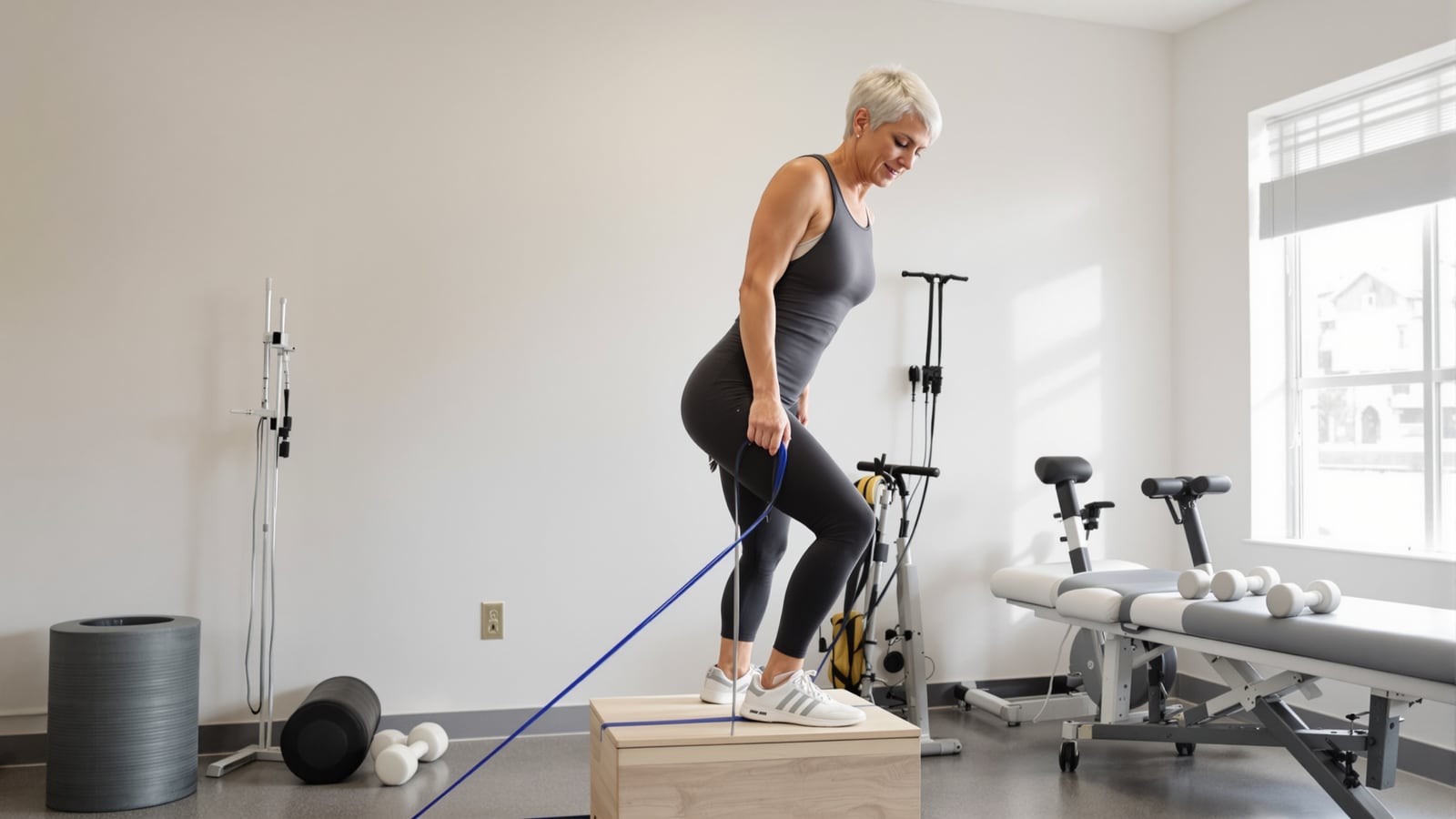
1. Get the muscles around it stronger. For knees, that means thighs and hips. Sit-to-stands from a chair, step-ups on a low step, glute bridges, and a leg press if you've got a gym. For shoulders, it's the upper back, rows and band pull-aparts. For hands, a grip trainer a few times a week is a start.
Use enough weight that the last two reps are work. Slow down on the way back down. If you've never done this, one session with a physical therapist teaches you form, and you can keep the routine for years. If you're already lifting, three lifts twice a week is roughly the ballpark, though squatting through a painful range isn't the goal. Pain-free range first, then extend.
2. Walk. Then walk some more. Thirty minutes most days is the standard target for adults. Walking, cycling and swimming load joints gently and regularly. A bike is one of the kindest machines ever built for a cranky knee. If the pain climbs during the activity and lingers past the next morning, you did too much. Back off by a third, don't quit.
3. Lose some weight if you're carrying it. This isn't a lecture. It's mechanics. Your knees and hips carry a multiple of your body weight with every step, so a few pounds off the scale come off the joint several times over. It also drives inflammation, which is why the A1C conversation and the joint conversation often turn out to be the same one. A doctor can tell you what a sensible target looks like for you.
4. Ramp up slowly. The weekend warrior pattern is where a lot of "early arthritis" gets its start. Nothing Monday through Friday, then eighteen holes, a pickup game and a day of yard work. Increase mileage, weight or time by about ten percent a week and let the joint report back.
5. Fix the boring inputs. Shoes with real cushioning that aren't flat from three years of work. Replace running shoes at roughly 300 to 500 miles. A chair at the right height. A pillow between the knees if hips ache at night. These are small. They add up over ten thousand steps a day.
Managing the pain itself
Heat before activity loosens a stiff joint. Ice afterward helps if it's irritated or puffy. Neither fixes anything, both feel good, and that's enough reason.
Over-the-counter pain relievers come with trade-offs. Acetaminophen is easier on the stomach but hard on the liver in excess. Ibuprofen and naproxen can irritate the stomach, strain the kidneys and push blood pressure up, which matters a lot if you're already watching your numbers or on medication for it. A topical anti-inflammatory gel is sold over the counter and puts less into your system. Ask your pharmacist what's safe alongside everything else you take.
Supplements are a mixed bag. Glucosamine and chondroitin have been studied for years with inconsistent results. Some people swear by them, and the research doesn't settle it. If you try one, give it a few months, track whether it helps, and stop if it doesn't. Don't pay for a pyramid of pills.
Braces and sleeves help some people feel steadier. Fine. They're a tool for getting you moving, not a replacement for the strength work.
And sleep. Poor sleep makes pain louder. If you're getting six hours, the joint isn't your only problem.
When to stop experimenting and call a doctor
Don't wait on any of these:
- A joint that's hot, red and swollen, especially with a fever
- Sudden severe pain in the big toe or another joint, which can be gout
- A knee that locks, gives way, or won't bear weight
- Swelling right after a twist or a fall
- Morning stiffness that lasts an hour or more, or several joints at once, which can point to inflammatory arthritis that needs different treatment
- Pain that wakes you at night, or numbness and tingling that travel down a limb
Even without those, book a visit if the ache has run a few weeks. Ask what's likely causing it, whether imaging is worth doing, whether physical therapy makes sense, and what you should avoid. A good doctor will also check things you didn't ask about, like blood sugar, thyroid and vitamin levels.
Say plainly how it affects your life. "My knee hurts" gets a shrug. "I stopped coaching my son's team because I can't squat" gets action.
The deal
Nobody gets the cartilage they had at twenty-five back. But the muscle, the weight, the habits and the shoes are all yours to work on, and they decide a lot about how the next twenty years feel. Do the dull stuff on Tuesday, and you might be the guy still carrying the cooler to the lake when your friends are watching from the porch.
Cal Brennan
Fitness
Strength coach. Trains fathers, tradesmen and desk workers, which means programs that survive a bad week.

Watch
Watch how it's done
Picked for this article.
From channels we rate. Plays on YouTube.
Tone and Tighten
Stiff Knee Exercises - Increase Motion and Decrease Pain!
Alex Crockford
Knee Strength Workout | 20 Minute Rehabilitation to Improve Knee Pain
Read next