My grandfather never borrowed a dime, and he wasn't poor
He paid cash for the truck and the new roof. The method was simpler than the discipline, and you can start it this week.
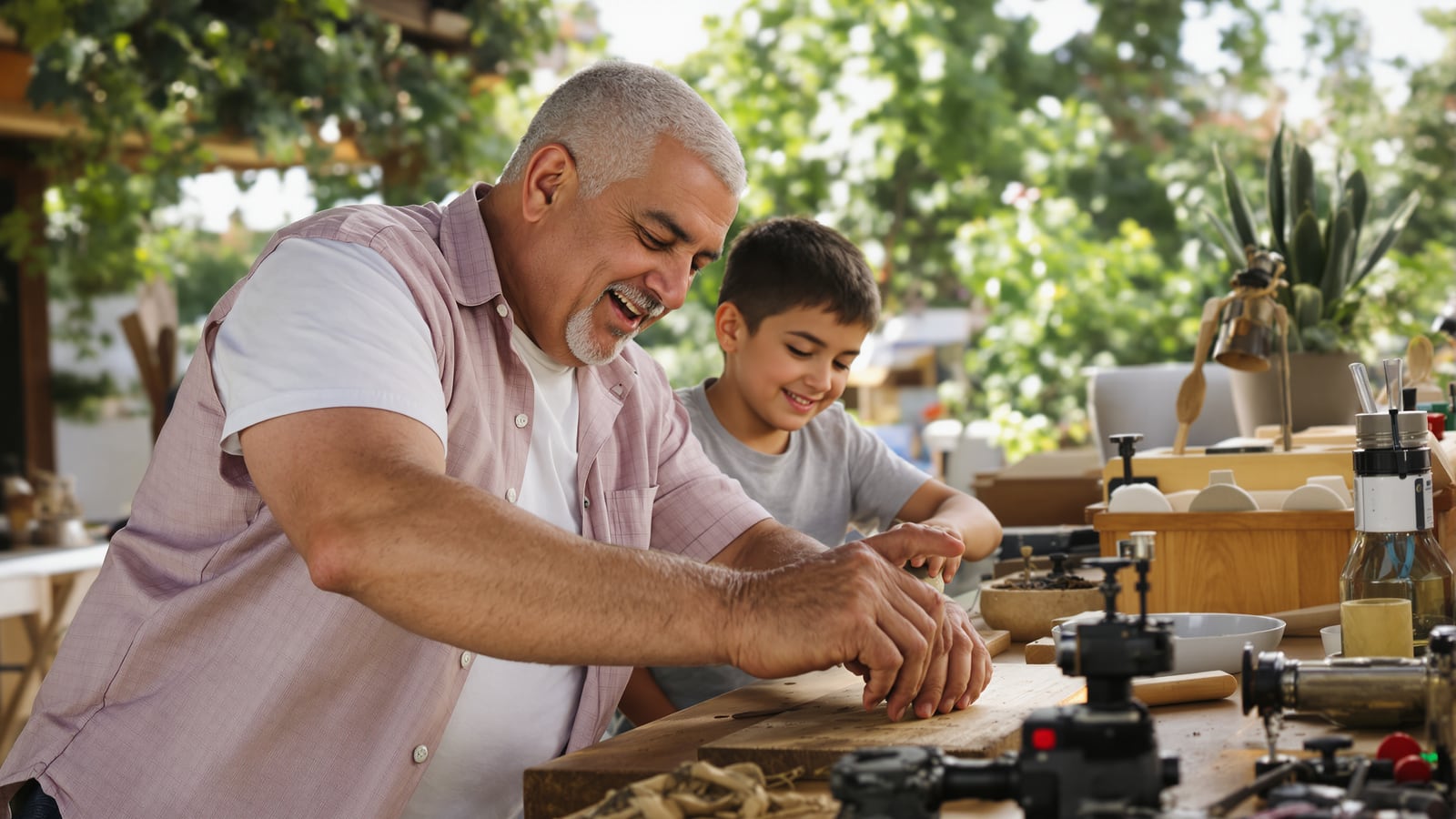
Quick answer: He didn't have more willpower than you. He had a system that made him pay the "payment" before he bought the thing. Pick one want, divide the price by the months you're willing to wait, and start paying yourself that amount every payday.
My grandfather kept a red coffee can on a shelf above the washing machine. He'd cut a slot in the plastic lid with a pocketknife. That can, and a few cousins of it, did the work most people hand to a lender.
I asked him once how a man gets through a whole life without borrowing. He looked at me like I'd asked how a man gets through a whole life without setting his hair on fire. "You just don't light it," he said.
That wasn't the full answer. The full answer took me years to piece together.
The payment came first
When he wanted something, say a chain saw, he priced it. Then he divided the price by the number of months he figured was reasonable and put that amount in a can every payday. A car payment, except he was the one collecting it.
When the can hit the price, he bought the thing. Cash, no paperwork, no one holding a note.
He never said so, but the method does two things a loan can't. It charges you no interest, and it gives the want time to die. A lot of wants don't survive ninety days. By the third month he'd often decide the chain saw he already owned had a few years left. The ones that lasted through the waiting were the ones worth buying.
He used to say, "If you can't pay for it in cash, you can't afford it yet." Note the word at the end. Yet.
Why he was like this
He grew up when banks failed and farms went on the auction block. He'd seen a neighbor lose land over a note that looked reasonable when it was signed. That stays with a kid. He didn't hate banks. He just refused to give anyone a claim on his next five years.
My grandmother put it more bluntly. "A debt is a man you've hired to follow you around."
The can that mattered most
Everybody remembers the want cans. The one that kept him out of debt was the boring one at the back of the shelf, labeled with masking tape: TRUCK / ROOF / DOCTOR.
Most people borrow because something breaks. The transmission goes. The water heater floods the basement. The wanting you can manage. The surprise is what sends people to the lender.
His rule was that the surprise can got filled first, before any want can got a dime. When it dipped, he topped it back up before saving for anything fun. It wasn't glamorous, but it's the whole reason the rest worked. A man with a cushion can say no to a loan on the worst day of the month.
What it cost him, said plainly
I won't tell you this was free.
He drove a truck older than my father. My grandmother kept her wringer washer two years longer than she wanted. They rented a small place for years while friends bought bigger ones on borrowed money. He once waited so long to buy a tractor that the price went up, and he grumbled about it for a decade.
He also missed a few bargains. Some good deals don't wait for your can to fill.
He'd say that was the price of sleeping well. And he did sleep. Collection calls, payment dates, a stack of envelopes he dreaded opening: none of it ever came to his house.
Fix it, then buy it used, then buy it new
The saving worked because the spending was small to begin with. His order of operations never changed:
- Can it be fixed? Most of the time, yes, for a fraction of the price.
- If not, can it be bought used? He'd spend a Saturday looking before he'd spend a dime.
- Only then, new.
I wrote more about that mindset in Waste Nothing, Feed Everyone, Clean As You Go. The short version is that every repair you make is money that never has to be saved.
Cash helped him haggle, too. A man standing there with the money in his pocket gets a better price than a man who needs financing. Sellers like a sure thing. He'd ask, "What's your best cash price?" and then he'd stop talking. The silence was worth fifty dollars more often than you'd expect.
Where he'd bend, and where I do
I should be honest. He bought his house the slow way, after years of saving, and that's not an option for most people now. Houses cost more against a paycheck than they did. If you take a mortgage, you're not a failure, and my grandfather wouldn't have said you were. He'd have said it's the one note a sensible man might sign.
He'd also have said to make it the only one. Keep the payment low enough that one paycheck covers it. Everything else, the cars, the couch, the vacation, goes in the can.
How much house you can carry, and whether to pay down a loan or save, depends on your situation. That's a conversation for a fee-only financial planner or a counselor at your credit union. I'm telling you what worked for one careful man, not running your numbers.
If you want to see his instincts run through a modern paycheck, The old cash rule, tested against a modern paycheck does that.
How to start this week
You don't need a coffee can, though I'd get one. A second savings account works if it's separate from checking and you can't see it every time you open your phone.
- Fill the surprise fund first. Start with a few hundred dollars. Build toward a few months of bare-bones expenses over time. Don't save for anything fun until it's there.
- Pick one want. Just one. A used mower, a set of tires, the wedding band you haven't been able to afford.
- Price it honestly. Look at used and new. Write the number down.
- Divide by the months. Eight months for a $400 item is $50 a month, or about $12 a week. Make it automatic on payday so you never have to decide.
- Wait out the first thirty days. If you still want it when the first month's money lands, keep going. If you don't, you just saved the whole amount.
- Pay cash, and ask for the cash price. Then stop talking.
You'll feel slow at first. Your friends will have the thing sooner. You'll have it without a payment, and in a year or two you'll notice what that does to your nerves.
The can's on my shelf now. It still has the slot he cut and a dent from where he dropped it. Nothing in it yet.
I'm working on that.
Nina Castellan
BRO for Her
Runs the women-facing desk. Same standard, same tools, written for a different reader — not a softer one.

Watch
Worth an hour of your evening
More from Old School.
From channels we rate. Plays on YouTube.
Read next