

Get the insurance quote before you fall for the house
A lender won't fund a loan without a policy, and the standard one skips flood, sewer backup and wear and tear. Learn that before you close.
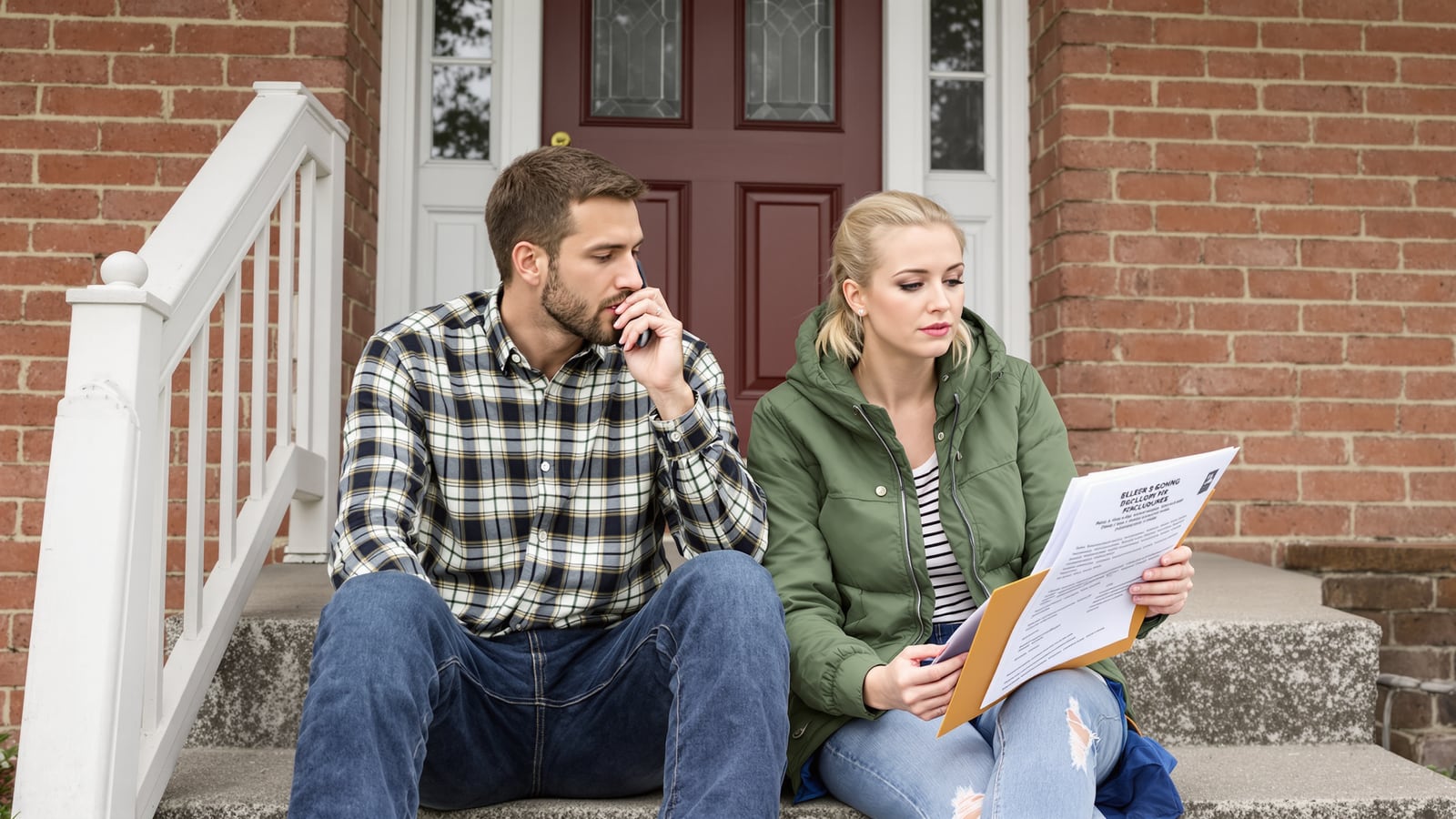
Quick answer: Get a real insurance quote while your inspection window is still open, not during closing week. Then read the exclusions, because a standard policy doesn't cover flood, earth movement, sewer backup, or damage it calls wear and tear.
Insurance can end a deal
Picture a buyer under contract on a 1978 house with the original roof. Call him Dan. Dan's lender wants proof of coverage before it funds the loan. Dan calls an insurer ten days before closing. The company won't write the policy until the roof is replaced. The one that will charges twice what he budgeted.
Dan's options are now a $14,000 roof (an example figure, yours will differ), a scramble for a different carrier, or a canceled contract with his earnest money in play. Every one of those would have been cheaper to learn about in week one.
No policy means no loan. The insurer is effectively a second underwriter on your house, and it doesn't care how much you love the porch.
The order it actually happens
Before you offer. Ask your agent for the roof's age, the wiring type, the water heater's age, and whether the seller will share recent claims history. Insurers pull a claims report on the property, often called a CLUE report, and a house with a history of water claims costs more to cover. Sellers can request their own copy.
Right after you're under contract. Call an independent insurance agent, who can quote several companies, and one company that sells direct. Give each the address, year built, roof age, and the inspection report once you have it. Ask for the quote in writing.
Before the inspection contingency ends. If the quotes are ugly or nobody will write the policy, you still have a clean exit. That's the same window we cover in The Home Inspection Is Your Last Cheap Exit.
Before closing. Choose the policy, set the start date to the day you take ownership, and have your agent send evidence of insurance to the lender and the closing agent. It names the lender as mortgagee. Most lenders want the first year's premium paid at or before closing, and they'll set up an escrow account for the renewals. You'll see all of it on your Closing Disclosure. If you want the full sequence, the twelve steps from preapproval to keys covers the rest.
What a standard policy leaves out
Most homeowners policies are a form called HO-3. It covers the structure against a long list of named causes, and it excludes a short list that causes the most heartbreak. Forms and rules vary by state and by company, so read yours. Commonly excluded or limited:
- Flood. Rising water from rain, rivers, storm surge or overflowing ground isn't covered. It takes a separate flood policy.
- Earth movement. Earthquakes, landslides and sinkholes usually need their own coverage, if you can get it at all in your area.
- Sewer and drain backup. Often excluded unless you add an endorsement. It's usually cheap, and it's the one people regret skipping when the basement drain comes up.
- Wear and tear and neglect. An old roof that fails of old age is your problem. So is a slow leak under the sink that went unfixed for months. Policies pay for sudden and accidental damage, not gradual.
- Mold and rot. Covered narrowly if at all, and typically only when a covered event caused it.
- Pests. Termites and rodents are maintenance, not a claim.
- Code upgrades. If a fire forces a rebuild to today's code, the extra cost may not be covered without an ordinance or law endorsement.
Ask your agent to point to each of these in your actual policy. Don't take a summary.
Flood doesn't read the map
If the house sits in a mapped high-risk flood zone and your loan is federally backed, the lender will require flood insurance. Outside those zones it's optional, but homes outside the mapped zones flood too. Ask the seller about past water in the basement or yard, and look up the property on the FEMA flood map yourself.
Flood policies, whether federal or private, typically carry a waiting period of about 30 days before they take effect. Buy one for a closing in two weeks and you may close uncovered. Another reason to start early.
The fine print that costs real money
Percentage deductibles. In some states a wind, hail or hurricane deductible is a percentage of your dwelling coverage, not a flat amount. As an example only: on $300,000 of dwelling coverage, a 2 percent wind deductible means you pay the first $6,000 of a storm claim. Many buyers see "$1,000 deductible" and never read the second one.
Roof payout. Some policies pay replacement cost on the roof. Others pay actual cash value, which subtracts for age. A 15-year-old roof on an actual-cash-value schedule might pay a fraction of the bill. Ask which one you're buying.
Dwelling coverage. Insure the cost to rebuild, not the price you paid. As an example: you pay $400,000, but the land is worth $100,000 and rebuilding would cost $300,000. Coverage near $300,000 is the target, adjusted for local labor and materials. Underinsure and the company may pay less than you expect. Ask about extended replacement cost for the case where rebuilding costs spike after a big storm.
Sublimits on your stuff. Many policies cap theft payouts on certain items: firearms, jewelry, watches, silver, cash. The caps can be low. If you own guns lawfully, and plenty of us do, check what your policy pays if they're stolen and ask about scheduling them with a rider. A safe often earns a discount and protects the guns better than any claim ever will.
Dogs and the pool. Some insurers exclude certain breeds or charge more. A trampoline or pool can raise the premium or draw a requirement for a fence. Liability coverage is the part of the policy that protects your savings, so don't run it minimal. Consider an umbrella policy once you have assets worth protecting.
Houses that make insurers flinch
Ask your inspector to flag any of these, because they can mean a higher premium, a required repair, or a flat refusal:
- Knob-and-tube or aluminum branch wiring
- Older fuse boxes and certain panel brands
- Polybutylene or galvanized plumbing
- Roofs near the end of their rated life
- Wood stoves or heating oil tanks
- Homes in high-risk areas for wildfire or hurricanes
In some states, insurers have pulled back from entire regions. Buyers there may end up on a state-backed plan of last resort, which usually costs more and covers less. Check how your state handles it before you write the offer.
Questions to ask the agent
- Is the quote based on this address, this roof age and this wiring?
- What's the wind, hail or hurricane deductible, as a dollar figure?
- Is the roof replacement cost or actual cash value?
- Does it include sewer and drain backup?
- What's the theft limit on firearms, jewelry and cash?
- Does the policy cover code upgrades after a loss?
- Will the premium change at renewal, and what changes it?
Add the premium to your monthly payment before you decide what you can afford. The lender's approval number won't include the rate hikes coming down the road, which is part of why the bank will approve you for too much house.
Everything here's general education. Insurance rules, flood zones, taxes and closing customs vary by state and county, and the example figures are illustrations, not quotes or market data. Before you act, talk with a licensed insurance agent, your lender, a real estate attorney, and a CPA where taxes are involved.
A house you can't insure is a house you don't own yet. Find that out while you can still walk away.
Ray Okonkwo
Money & Business
Former commercial banker turned small-business owner. Covers salary, credit, margins and the arithmetic nobody does before signing.

Watch
Worth an hour of your evening
More from Real Estate.
From channels we rate. Plays on YouTube.
Read next