

The radon test your inspector may not run, and may run wrong
Radon doesn't show up on a standard inspection unless you ask. Here's how to test it properly, read the number, and know when to call a specialist.
Quick answer: Radon isn't part of a standard home inspection. It's an add-on, and you have to order it before your inspection window closes. The EPA's action level is 4 picocuries per liter (pCi/L). At or above that, hire a certified mitigation contractor. Between 2 and 4, the EPA says to consider fixing it anyway.
Why the inspection doesn't cover it
Radon is a radioactive gas that comes out of the soil and seeps into a house through the foundation. You can't see it or smell it. The EPA calls it the leading cause of lung cancer among people who have never smoked.
A general inspector looks at what's visible: roof, plumbing, wiring, furnace, foundation cracks. Radon is invisible and depends on the ground under the house. Plenty of inspectors offer a test for an extra fee, but it's usually a separate line on the invoice. If you don't check the box, nobody tests.
Any house can have a problem. New or old, basement or slab, the house next door can read low while yours reads high. Soil, foundation cracks and how air moves through the building all matter, so the neighbor's result tells you very little.
The timing trap
Say you're under contract with a ten-day inspection period. That's a made-up example, but it's a common setup. The inspector comes on day three. The radon test runs forty-eight hours. Then the lab or the monitor has to produce a report.
Order it on day three and you might not have a number until day seven. That leaves three days to negotiate a repair you didn't know you needed. Order the radon test first, before the general inspection if you can. Ask your agent about your contract's deadlines the day you sign. The home inspection is your last cheap exit, and a late radon result can make that exit very small.
What a bad test looks like
A radon test is easy to ruin. These are the usual ways it goes wrong:
- Closed-house conditions weren't kept. Short-term tests need windows and exterior doors shut, except for normal coming and going, starting about twelve hours before and lasting through the test. Seller's kids propping a door open can skew the result low.
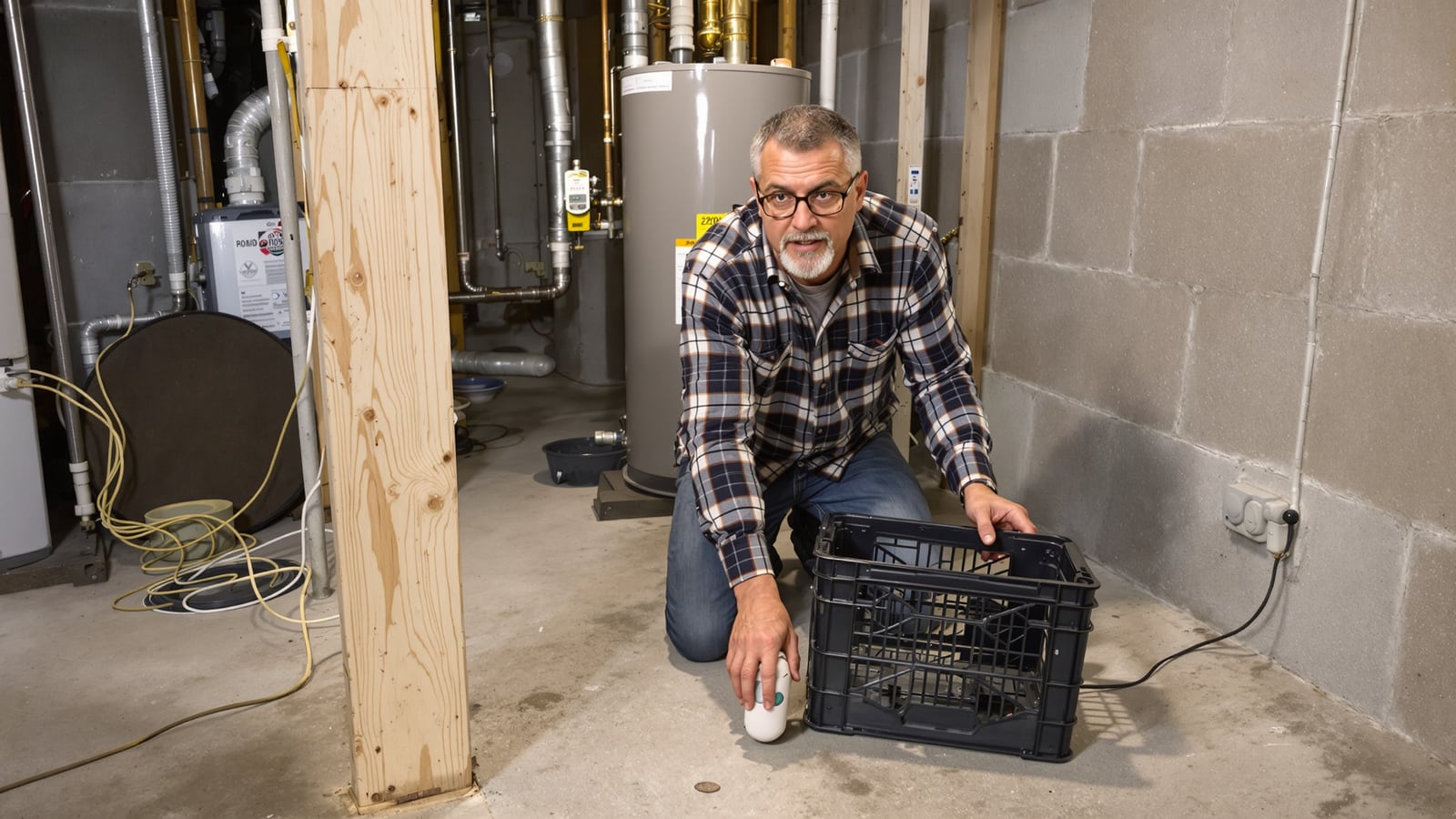
- Wrong spot. The device belongs in the lowest level a person could use as living space, away from drafts, vents, sump pits, the laundry room and the bathroom. A device on a shelf in a utility closet isn't a valid test.
- Moved or tampered with. Many professional monitors have motion sensors that log this. A cheap charcoal kit can't tell you someone moved it.
- Weather. Big storms, high winds and sudden pressure swings change readings. A professional will note it. A homeowner won't.
- Uncertified tester. Some states license or certify radon testers. Others don't. Ask for the tester's certification number, and ask whether the equipment is a continuous radon monitor with a recent calibration.
- One test, one number. Radon moves day to day and by season. A forty-eight-hour result is a snapshot, not a verdict.
Reading the number
Take these as general guidance, and confirm what your state's radon program says.
- 4.0 pCi/L or above: Fix it. The EPA recommends mitigation at this level.
- 2.0 to 3.9: The EPA says to consider it. You're in a judgment zone. If you're buying and plan to stay for years, ask for the fix.
- Below 2.0: Low. A short-term result is still a snapshot, so retest every couple of years or after any major change to the house.
If your first result is near the line, say 3.8 or 4.2, a second test is cheap compared to what's riding on it. Two short-term tests run back to back give you a better read. A long-term test, which runs more than ninety days, is the best picture of what you'd actually breathe over a year, but it won't fit in a contract window.
Negotiating a failed test
Worked example, illustrative only: your short-term test reads 5.8 pCi/L. Mitigation systems vary widely by house, and quotes of a few hundred dollars up to a couple thousand are common. Call it $1,200 for this example. Your real quote could be higher or lower.
You have three realistic moves:
- Ask the seller to install the system through a certified contractor before closing, then retest to prove it works.
- Ask for a credit at closing and handle it yourself after you move in.
- Walk away if your contract allows it and the seller refuses to deal.
Option one has a catch: make sure the contract says the system is installed by a certified or licensed mitigator, per your state's rules, with a post-installation test result handed over before closing. A handshake isn't a document. And get the post-mitigation test done by someone independent of the contractor who installed the system. Your agent and your real estate attorney can word this. If you want a sharper agent on your side, read the questions that separate a good agent from a busy one.
When the house already has a system
A pipe running up the side of the garage and a small fan means somebody already dealt with it. That's a good sign, not an answer. Ask for:
- The installer's name and the date of installation.
- The test results from before and after.
- Any warranty paperwork.
- A recent test, ideally within the last two years.
Then look at the system itself. Most have a U-shaped gauge on the pipe called a manometer. If the liquid in the two sides is level, the fan may not be running. Fans don't last forever, and a dead one means the house is back to its original radon level. Have the specialist look at it. A new fan is a modest repair, not a disaster, but you want to know before you close, not after.
When you need a specialist
Skip the general inspector and call a certified radon professional when:
- Your result lands at or above 4.0, or you can't get two tests to agree.
- You're planning to finish a basement or add bedrooms below ground level.
- The house has a crawl space, which needs a different mitigation approach than a slab or basement.
- The house runs on well water. Radon can also be released from household water, and that calls for water testing.
- The existing system looks old, noisy or unexplained.
Mitigation is not a weekend project. Sub-slab systems involve drilling through your foundation, sealing, routing pipe and wiring a fan. Pick a contractor certified or licensed under your state's program, get more than one quote, and ask how they'll verify the result.
If you're selling or renting out
Test before you list. A failed test discovered by the buyer's inspector costs you leverage. A failed test you already fixed, with paperwork, is a selling point. Disclosure rules about known radon vary by state and sometimes by county, and rules for landlords vary too. Ask your real estate attorney what you must disclose.
If you're planning a first rental, add radon to your due diligence alongside the numbers in the math your first rental house has to pass. A house that needs a system isn't a bad house. It's a house with a known cost, and known costs you can price in.
Do this before you sign
Add a radon test to the inspection order. Put the deadline on your calendar. Ask who's running the test and what equipment they use. If the number comes back high, get it fixed by a certified pro and prove it with a second test.
This is general education, not individual legal, tax or financial advice. Laws, testing standards and disclosure rules vary by state and county. Check with a licensed real estate attorney, your agent or lender, and your state's radon program before you act.
You buy a house to raise a family in it. Spend the fifty dollars on a test before you move them in.
Ray Okonkwo
Money & Business
Former commercial banker turned small-business owner. Covers salary, credit, margins and the arithmetic nobody does before signing.

Watch
Worth an hour of your evening
More from Real Estate.
From channels we rate. Plays on YouTube.
Read next