Naloxone is over the counter now and you should own some
Slow breathing, pinpoint pupils, gray lips. What an opioid overdose actually looks like, and what to do in the minutes that decide it.
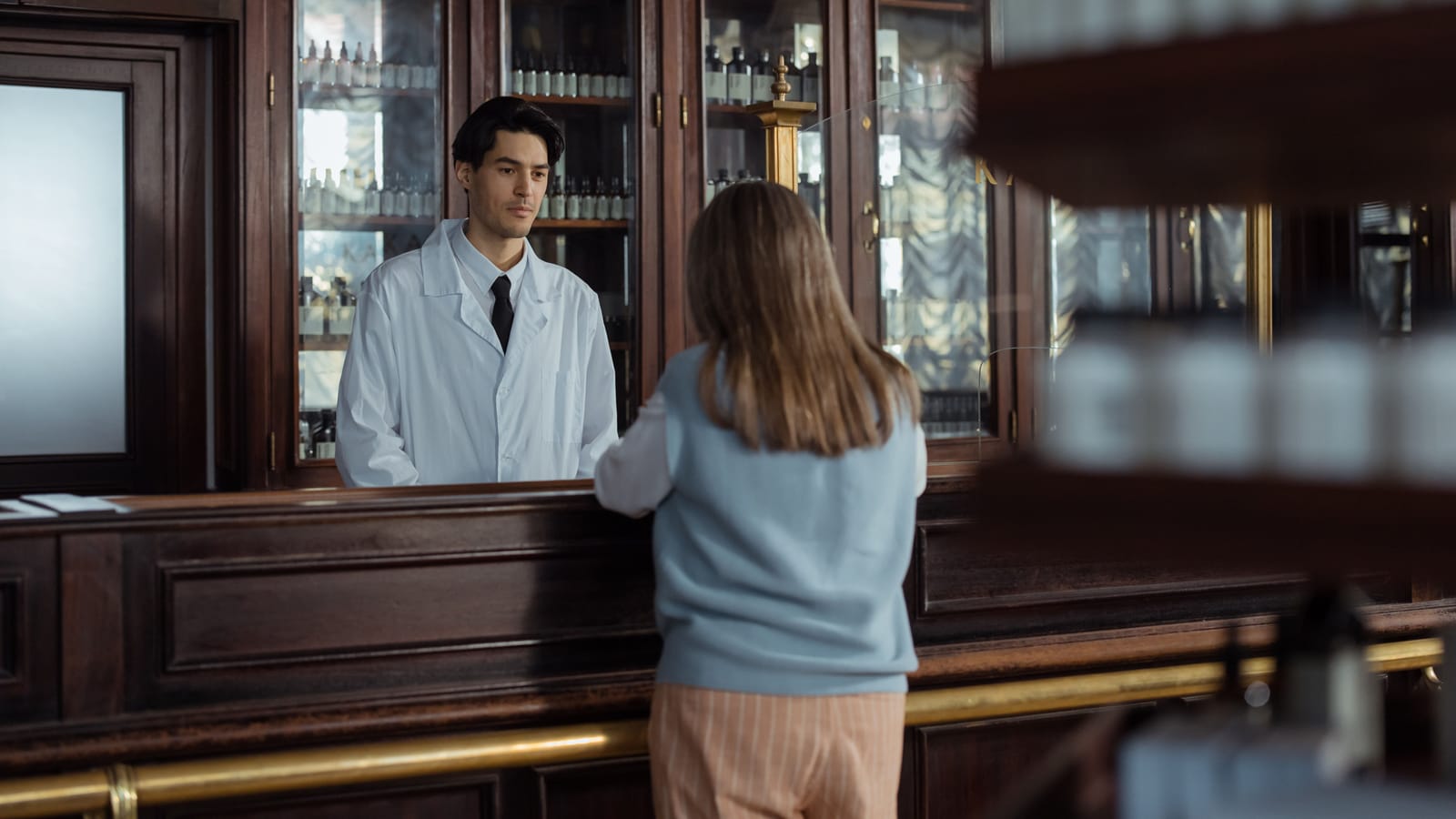
Walk into almost any pharmacy in the country and ask for naloxone nasal spray. No prescription, no appointment, no conversation about why you want it. It sits near the pharmacy counter in a small carton with two doses inside, usually somewhere in the $40s, sometimes free from a county health department or a community program that hands it out by the box. That's the entire barrier. A trip you were already making and less money than a tank of gas.
Buy it before you need it, because the window for needing it's about four minutes wide.
The person isn't asleep
This is the part people get wrong, and it's the part that costs the most time. An opioid overdose looks like heavy sleep from across the room. Somebody slumped on the couch with their chin down, snoring. You walk past. You assume a long shift and a hard nap.
Get closer and the picture changes.
- Breathing is slow, shallow, or stopped. Count it. Fewer than ten breaths a minute in an adult is trouble. Long pauses between breaths are worse.
- The snoring sounds wrong. A wet, gurgling, rattling noise coming from the throat. That isn't sleep, that's an airway closing.
- Lips, gums and fingertips go gray or blue. On darker skin, check the lips, the gums and the nail beds, because you won't see it on the face.
- Pupils shrink to pinpoints, even in a dim room.
- The body goes limp. Arm falls when you lift it. Skin cool and damp.
Nobody has all five. Two is enough to act on.
Shout, then knuckles to the sternum
Say their name loud. If nothing happens, make a fist and grind your knuckles hard down the breastbone, the flat bone in the center of the chest. Ten seconds. It hurts, and that's the point. A sleeping person swats your hand away and tells you to go away. A person in an overdose doesn't move.
That's your answer. Call 911, or tell the nearest person to call and then point at them so they know you mean them specifically. Say the words "not breathing" or "barely breathing." That phrase changes how fast a rig gets rolling.
Most states have some version of a Good Samaritan law protecting people who call for help at an overdose. The details vary and I'm not your lawyer. Look up your state's before you ever need it, so the question never enters your head at the wrong moment.
Working the spray
Naloxone nasal spray isn't a normal nasal spray, and people ruin doses by treating it like one. There's no priming. Don't test it. Don't push the plunger to see how it feels. The device holds exactly one dose and one press ends it.
Peel the back off the box. Hold the device with your thumb on the bottom plunger and two fingers on the nozzle. Tilt their head back, support the neck with your other hand, put the nozzle in one nostril until your fingers touch the bottom of the nose, and press the plunger all the way in. Firmly. One nostril is the full dose, not half.
Then put the phone on speaker and do what the dispatcher tells you.
If there's no response in two to three minutes, give the second dose in the other nostril. Keep going if you have more. There's no ceiling where naloxone suddenly becomes dangerous, and with the fentanyl in circulation now, more than one dose is common rather than unusual.
If you're unsure whether it's opioids at all, give it anyway. Naloxone does nothing to a person who has no opioids in their system. It can't hurt a stroke, a seizure, a heart attack or a diabetic crash. The downside of being wrong is zero.
Breathing is the whole game
Opioids don't stop the heart first. They shut down the drive to breathe, and the heart quits later from lack of oxygen. So the naloxone matters, and the air matters just as much while you wait for it to work.
If you've had a CPR class, use it. Head tilt, chin lift, one breath every five seconds, watch the chest rise. If you haven't, the dispatcher will talk you through it, including compressions if there's no pulse. Either way, roll them onto their side once they're breathing on their own so vomit goes on the floor instead of into their lungs. Bottom arm stretched out, top knee bent forward to stop them rolling onto their face.
Take the Red Cross or American Heart Association class this year. Two hours, and it's the difference between freezing and moving.
They may wake up furious
Naloxone strips the opioid off the receptors all at once. What comes back is immediate withdrawal: nausea, sweating, shaking, cramping, a headache like a vise, and a temper. Somebody may sit up swinging or confused about why strangers are kneeling over them.
Back off. Give them space and keep your hands where they can see them. Don't restrain them, don't argue, don't lecture. Tell them plainly what happened and that help is on the way.
And don't do any of the folk remedies. No ice bath, no cold shower, no slapping, no walking them around the block, no salt water, no injecting anything into them. Those waste minutes and some of them drown people.
Two hours later still counts
Naloxone wears off in roughly 30 to 90 minutes. A lot of what's on the street now outlasts it. That means somebody who woke up fine can slide back under after the ambulance would have left, which is the single best reason to let them be transported and evaluated instead of talked out of it.
Xylazine, the sedative mixed into a lot of the supply, doesn't respond to naloxone at all. Give the naloxone regardless, because there's almost always an opioid in the mix too, then keep managing the airway. Breathing support carries the rest.
Where to keep it
Room temperature. The glovebox in a Phoenix July or a Minnesota January isn't ideal, so the console, a jacket pocket, a work bag or the kitchen drawer beats the car in a heat wave. Check the expiration date twice a year when you change the smoke detector batteries. Expired naloxone still works better than no naloxone, but replace it when you notice.
Tell the people you live with where it is. A kit nobody can find is a decoration.
The houses that need one
Not the ones you're picturing. Naloxone belongs in your house if anybody there has a prescription for hydrocodone, oxycodone, tramadol, morphine or a fentanyl patch, and doubly so if they also take a sleep aid or something for anxiety, because that combination is where accidental overdoses actually happen. It belongs there if your parents keep a bottle left over from a hip replacement. It belongs there if you have teenagers, because counterfeit pills sold as Xanax or Percocet are the reason a kid with no history of anything ends up on a bathroom floor.
It belongs in the first aid kit on your job site, right next to the tourniquet you also hope to never open.
Your doctor or pharmacist will walk you through all of this for free, and the pharmacist is the easier appointment to get.
None of this treats addiction. It's a fire extinguisher, not a smoke alarm and not a renovation. But a person has to be alive on Tuesday to get help on Wednesday, and you're the one standing there on Tuesday.
Cal Brennan
Fitness
Strength coach. Trains fathers, tradesmen and desk workers, which means programs that survive a bad week.

Watch
Watch how it's done
Picked for this article.
From channels we rate. Plays on YouTube.
Oregon Health Authority
How to give naloxone
Veterans Health Administration
How to Use the VA Naloxone Nasal Spray
Read next