Three Minutes at the Microphone and How to Use Them
Public comment isn't a suggestion box. It's the last unlocked door in local government, and most people walk past it.
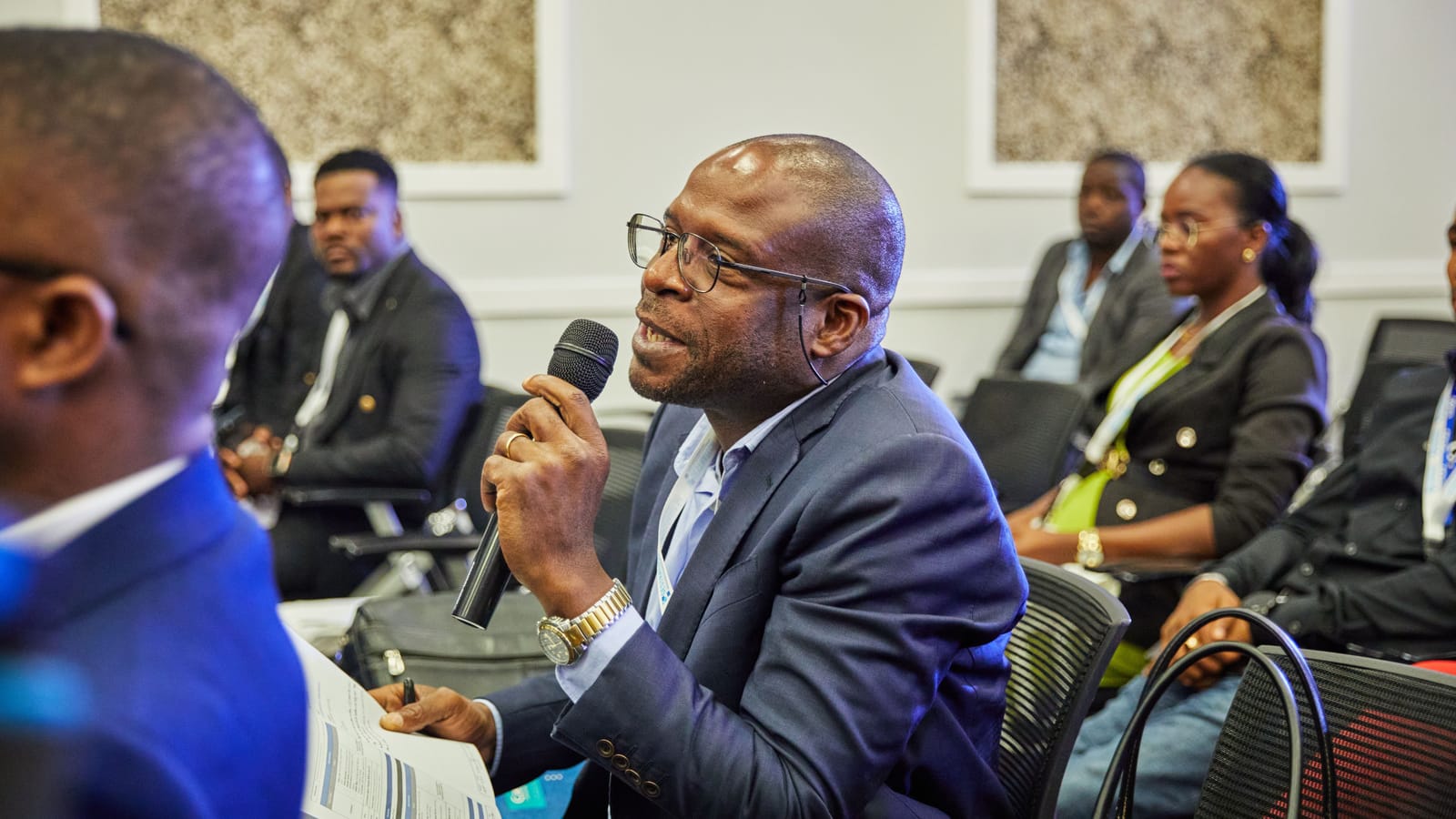
The timer in most council chambers is a little LED box on the clerk's table, and it turns red at three minutes whether you're finished or not. Three minutes of ordinary speech runs about 400 to 450 words. That's a page and a half, double-spaced. It's not enough room to explain your whole philosophy of government, and people who try end up getting gaveled mid-sentence, which is the single most avoidable failure at a public meeting.
So write 350 words. Read them out loud with a stopwatch. Cut until you land at 2:40.
That's the whole trick, and almost nobody does it.
Find out what's actually being voted on
Boards vote off an agenda, and the agenda is public before the meeting. In California, the Brown Act requires the agenda for a regular meeting to be posted at least 72 hours ahead. Texas has a 72-hour notice rule too. Your state has some version of the same thing, and your city or county clerk posts the packet online with it.
The packet is the good stuff. It's the staff report, the draft ordinance, the budget line, the contract. It's frequently 200 pages and nobody reads it, including, on a bad night, some of the people voting. If you show up having read pages 84 through 91, you're the most informed person in the room on that item, and everyone can tell within twenty seconds.
Get the item number. Say it out loud when you step to the podium. "Good evening, I'm speaking on Item 7C." That single line tells the board you're not here to free-associate, and it tells the clerk where to file your comment in the record.
The shape that works
There's a structure that survives contact with a hostile chair and a red light:
- Name and where you live. Ten seconds. "Dan Whitaker, I live on Birchwood, in District 3." Residency matters. Boards weigh it, fairly or not.
- The ask, stated first. "I'm asking you to vote no on 7C tonight, or continue it to your next meeting." Don't save the ask for the end. If you get cut off, they'll still have heard it.
- Two reasons, with something specific in each. A number from the staff report. A date. A sentence from the contract. One thing they can check.
- One sentence of standing. Why this lands on you. You own the house on the corner. You've got three kids in that school. You've driven that road at 7 a.m. for eleven years.
- The ask again. Same words as the first time. Repetition is how it gets into the minutes and into their heads.
Then stop talking. Ending at 2:20 with a clean finish beats getting cut off at 3:00 mid-thought, every time. It also signals that you respect the people who came after you, which the chair notices.
Pull it off the consent agenda
Most agendas open with a consent calendar: a block of items approved in one motion, no discussion, usually in under a minute. Contracts live there. Fee schedules live there. Occasionally something that would cause a riot if anybody read it lives there.
Any member of the body can ask to pull an item off consent for separate discussion. And in most jurisdictions, a member of the public can request it during the consent-calendar comment period. That's the move. You're not asking them to vote your way. You're asking them to discuss it in public, which is a much smaller request and much harder to refuse with a room watching.
Half the wins at this level are procedural. You don't beat the item. You delay it, and the delay is what kills it.
What kills your three minutes
Reading a legal brief. Nobody follows a statutory citation delivered out loud. Put the citations in the email you send afterward.
Insulting the board. The second you say "you people," you've handed every undecided member permission to stop listening and file you under "the angry guy." Attack the policy with everything you've got. Leave the person alone. It isn't only decency, though it's that. It's tactics. The member you're trying to flip is sitting right there deciding whether being persuaded by you would be embarrassing.
Going over time and arguing about it. You lose the room in four seconds.
Asking questions. Under most open meetings laws, the body can't deliberate or act on a topic that isn't on the posted agenda, so a question from the podium usually gets the chair saying "staff will follow up." That's not a brush-off, it's the law. Make statements. Save the questions for email.
Bring three people, not thirty copies
Volume helps. A packed room changes the temperature of a vote in a way nothing else does, and elected officials count heads in the gallery. But thirty people reading the same script is worse than five people saying five different true things.
Divide it up beforehand. One person handles the money. One handles traffic or safety. One is the parent, or the business owner, or the nurse who works that shift. One reads the relevant line from the packet aloud. Each speaker covers new ground, and the body hears a case being built instead of a chant being repeated.
If you can only get one person there, be the one who read the packet.
Afterward is half the job
Email your remarks to every member and the clerk, the same night, with the item number in the subject line. Ask that it be entered into the record. Now your argument exists in writing, with attachments, where a staffer will actually read it.
Watch the vote and write down who voted how. Minutes get posted, usually a few weeks later. Local elections turn on a couple thousand votes in a lot of places, and a councilman who knows a specific neighbor is keeping a tally behaves differently than one who assumes nobody is.
Then go back. The people who move things at this level aren't the ones who show up furious once. They're the ones the clerk knows by name.
The honest part
Sometimes the votes are locked before anyone sits down. Four members caucused, the developer's attorney has been in the city manager's office for a month, and your three minutes changes nothing that night. That happens, and anybody who tells you otherwise is selling something.
Do it anyway, because you're building a record. The record is what a reporter pulls. It's what the next candidate quotes. It's what a judge reads if the thing ever gets challenged, because failure to give the public a real opportunity to be heard is itself a legal defect in a lot of states. A comment that loses 4-1 tonight is an exhibit next spring.
And the smaller the body, the more your three minutes are worth. A school board race decided by 600 votes. A planning commission where the chairman has heard from exactly nobody all year. A water district nobody can name. That's where policy actually touches your street, and that's where the seats sit empty.
The microphone's on. It's usually the only thing in that building that is.
Marcus Vale
Editor-in-Chief
Twenty years in magazines, most of it deciding what to cut. Writes about work, discipline and the decisions that compound.

Watch
Worth an hour of your evening
More from Civics.
From channels we rate. Plays on YouTube.
Read next