Voters can recall a governor in 19 states, not a senator
Recall is a power you hold at the state and local level only. Here's who it reaches, what it takes, and when it's the wrong tool.
Quick answer: Recall lets voters remove an elected official before the term ends. It exists only in state and local government. Nineteen states allow it for state officials, most states allow it for some local ones, and the federal Constitution has no recall at all. The rules change from state to state and even from town to town, so read yours before you sign anything.
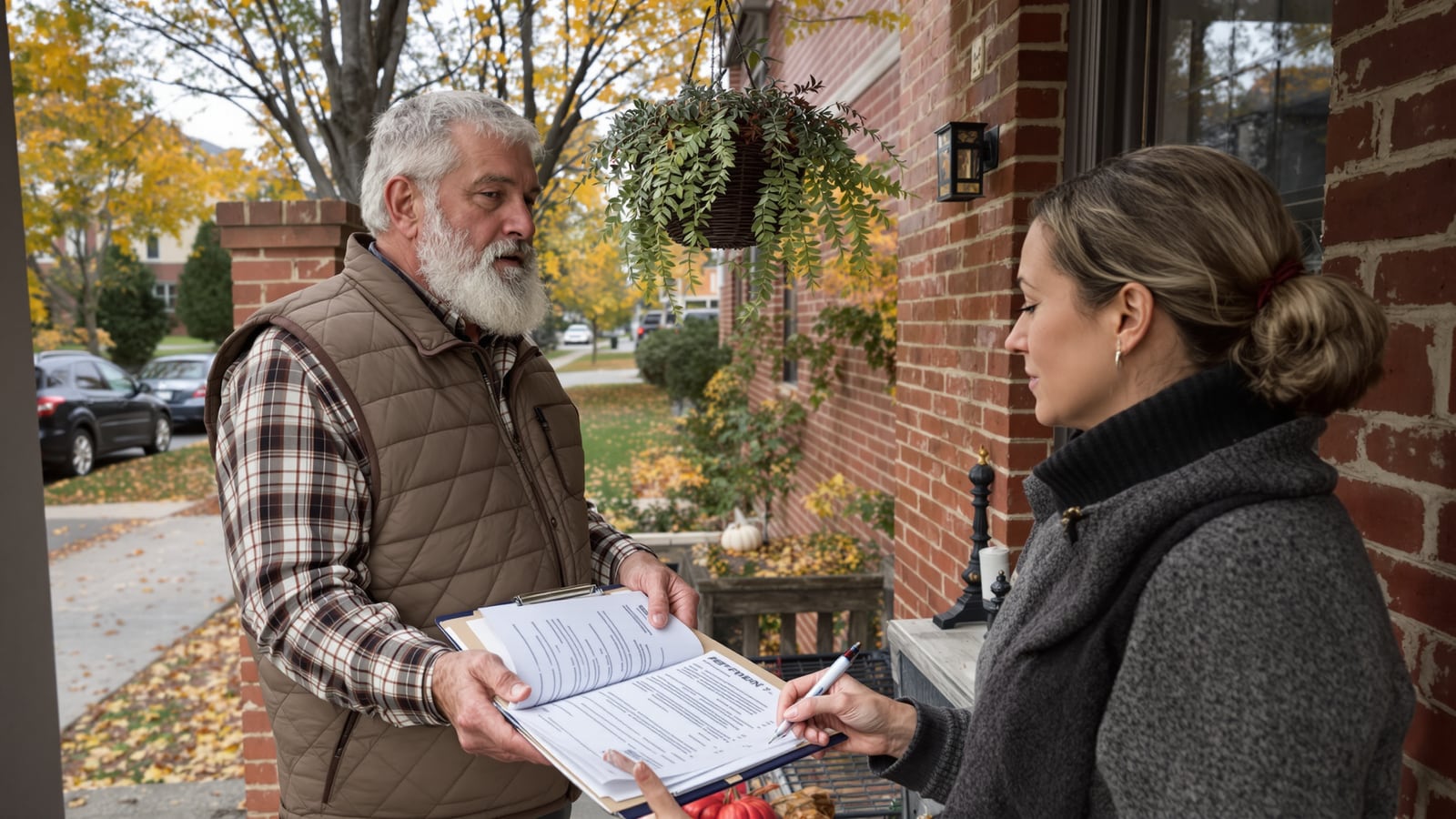
In September 2013, two Colorado state senators lost their seats to their own voters. One was the Senate President, John Morse. The other was Angela Giron. Both had backed new gun restrictions earlier that year, and gun owners organized, gathered signatures and forced special elections. Both were recalled. Nobody was impeached. No court was involved. Citizens did it with clipboards.
That's the power. Here's how it works.
Where recall exists, and where it doesn't
At last count, nineteen states let voters recall state officials: Alaska, Arizona, California, Colorado, Georgia, Idaho, Illinois, Kansas, Louisiana, Michigan, Minnesota, Montana, Nevada, New Jersey, North Dakota, Oregon, Rhode Island, Washington and Wisconsin. Check your secretary of state's website, because legislatures and voters amend these laws.
Local recall is much more common. Mayors, city council members, county commissioners and school board members can be recalled in a majority of states, often under a city charter rather than state law. Your town may allow it even if your state doesn't recall its governor.
Federal officials are a different story. You can't recall a president, a senator or a House member. The Constitution handles removal in two ways. Impeachment is brought by the House and tried by the Senate. Each chamber can also expel its own members by a two-thirds vote (Article I, Section 5). Voters get their say at the scheduled election and no sooner. If you want the full map of who does what, what each of the seven articles of the Constitution actually does covers it.
The Framers had recall and dropped it
This surprises people. The Articles of Confederation did allow it. Each state reserved the power to recall its delegates to Congress "at any time within the year" and send others in their place. When the Framers wrote the Constitution, they set fixed terms instead: two years for the House, six for the Senate, four for the president.
They did it on purpose. They wanted officials who could make an unpopular decision and stand on it long enough to be judged on results. Recall came later, out of the Progressive Era. Los Angeles adopted it in its city charter in 1903, and Oregon was the first state to adopt it, in 1908.
Conservatives can hold two thoughts here without contradiction. Fixed terms are wise. And a citizen's check on a local official who has abandoned the job is a legitimate American power, held by the people closest to the problem.
How a recall actually runs
The details vary, but the sequence is nearly always the same.
- A notice of intent. Organizers file paperwork with the election office naming the official and, in some states, stating the grounds.
- A petition drive. Organizers have a set window, often a few months, to collect signatures from registered voters.
- Verification. Election officials check names against the voter rolls. Some signatures always get thrown out, so serious campaigns collect well past the minimum.
- A challenge period. The official can usually protest the petition or the grounds in court.
- The election. Voters decide whether to remove the official, and either choose a replacement then or at a later election.
The ballot format is where states split. California puts two questions on one ballot: remove, yes or no, and who should replace the official. If removal wins, the replacement candidate with the most votes takes the job, even without a majority. Other states hold the recall vote first and a separate replacement election after.
The rules that decide whether a recall is even possible
Four things change from place to place, and they matter more than anything else.
- Grounds. Washington and Montana, for example, require specified grounds such as misconduct or violating the oath of office. California, Wisconsin and Arizona don't. An official can be recalled for any reason, or none.
- Signature thresholds. California's statewide bar is 12 percent of the votes cast for that office last time. Wisconsin's is 25 percent. That's a big difference in how hard the petition drive will be.
- Timing. Many states bar a recall in the first months or year of a term, and some in the final months. Wisconsin, for one, waits out the first year.
- Who can sign or circulate. Usually you must be a registered voter in that jurisdiction. Some places require circulators to be residents too.
Local rules can differ from state rules, and they're often the ones buried in a charter nobody has read in thirty years. Call the county clerk or city clerk and ask for the actual text.
What happens when voters use it
The record is mixed, and that's the point. Only two governors have ever been recalled: North Dakota's Lynn Frazier in 1921 and California's Gray Davis in 2003. Arnold Schwarzenegger won the replacement vote that year.
Plenty of recalls fail at the ballot. Wisconsin's Scott Walker survived his 2012 recall with roughly 53 percent. California's Gavin Newsom survived in 2021, with about 62 percent voting no. Both efforts were large, expensive and loud. Both ended with the incumbent still in office.
Local recalls have succeeded more often lately. San Francisco voters removed District Attorney Chesa Boudin in 2022, and removed three school board members earlier that same year by wide margins. In 2024 Alameda County voters recalled District Attorney Pamela Price. Those cases share a pattern. Voters felt an office was failing at its basic job, whether charging crimes or opening classrooms, and they used the one tool left to them.
Our take
This section is commentary.
Recall shouldn't be a rematch for people who lost. If you disagree with how an official votes, the answer is the next election, and the work of finding and backing a better candidate. A recall campaign costs real money and drains real attention from the things a city or state has to do. A community that recalls every official it dislikes ends up with no one willing to serve.
But recall earns its place when an official breaks the oath, ignores the voters who put him there, or refuses to do the one job the office exists for. A prosecutor who won't prosecute is a good example. So is a legislator who passes laws the people he represents never would have approved. The Colorado recall of 2013 was lawful, peaceful and entirely within the rules. That's self-government working as designed.
The right to gather and ask your government for something is protected, too. The First Amendment names the right to petition outright, and what the First Amendment actually protects, and what it doesn't walks through where its edges are.
If a recall comes to your town
- Read the petition. All of it. Know who's behind it and what grounds it names.
- Check that you're eligible. An invalid signature helps nobody.
- Sign only once, and only if you mean it. Don't sign to be polite to a neighbor.
- Look up the rules. Start with your secretary of state, then your county or city clerk.
- Know the cost. Ask what a special election will cost locally. That number is public.
- Keep it civil. Argue about the official's record, never about his family, his home or his looks.
- Show up. Special elections are often won or lost by turnout in the low double digits. If you vote in them, you carry more weight than you do in November.
And if recall isn't available where you live, the tools you do have are good ones. Show up at the meeting. Call the office. Run for the board yourself. Your state legislature runs more of your life than Congress does, and those seats go to whoever shows up.
Fixed terms keep officials steady. Recall keeps them honest. Use it rarely, and when you do, use it right.
Marcus Vale
Editor-in-Chief
Twenty years in magazines, most of it deciding what to cut. Writes about work, discipline and the decisions that compound.

Watch
Worth an hour of your evening
More from Civics.
From channels we rate. Plays on YouTube.
Read next