Your first smoke should not be a brisket
Buy the cheap cut, learn the fire, and stop opening the lid. Everything else about smoking meat is detail.
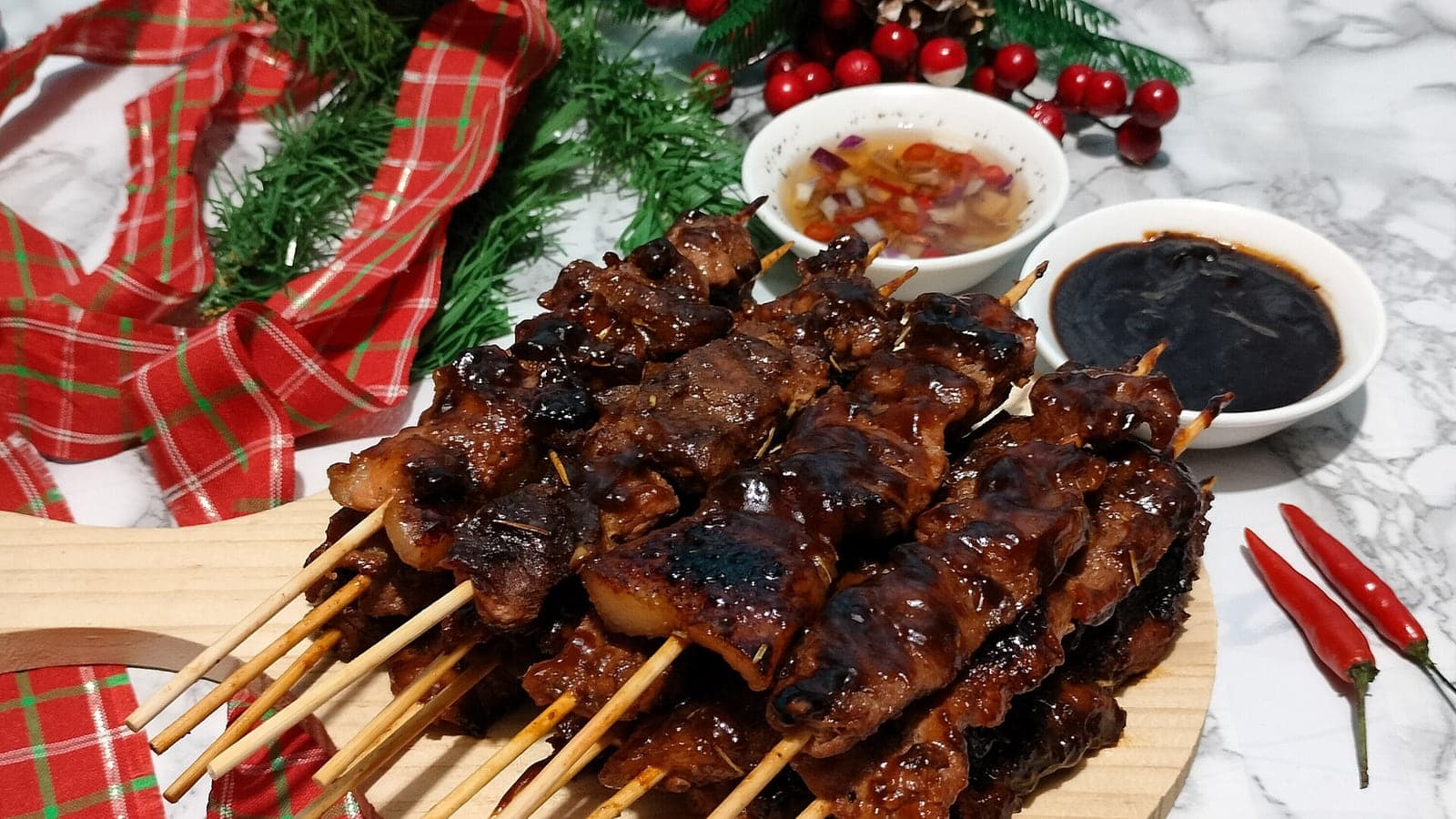
Start with a pork shoulder. Eight pounds, bone-in, sold as a Boston butt or picnic. It costs a fraction of a brisket, it carries enough fat to survive your mistakes, and it goes from mediocre to excellent without much help. Brisket punishes every error you make in the first three hours. Shoulder forgives most of them.
That single decision saves more first-time smokes than any technique in this piece.
Learn the smoker before you feed it
A smoker is a fire you're managing at a distance. Before a good cut goes near it, run the thing empty for two hours and watch what it does.
Light your charcoal. Get it going properly. Close the lid, set your vents somewhere reasonable, and then sit there with a notebook and write down what the temperature does every fifteen minutes. Note the vent positions. Note the wind. Note how long it takes to recover after you open the lid.
You'll learn three things that no instruction manual will tell you. How long your particular smoker takes to settle. How much a quarter-turn of the bottom vent actually moves the needle. And whether your lid seals or leaks like a screen door.
If it leaks, a self-adhesive high-temp gasket costs very little and fixes most cheap offset and bullet smokers. So does a bit of aluminum foil crushed along the lid rim as a temporary test.
The built-in thermometer is lying to you
The dial in the lid measures air near the lid, which is often twenty or thirty degrees off from the air around your meat. Trust it and you'll cook blind.
Buy a two-probe digital thermometer. One probe clipped at grate level, a few inches from the meat but not touching it. One probe in the thickest part of the meat, away from the bone. That's your whole instrument panel.
Grate temperature is what you steer. Internal temperature is what tells you when to stop. They are not the same job and you need both.
Fuel, and the wood mistake everybody makes
Lump charcoal or briquettes for heat. Wood chunks for flavor. That's the split.
The beginner instinct is to treat wood as the main event and pile it on. Three or four fist-sized chunks over a ten-hour cook is plenty for a shoulder. Meat takes on most of its smoke in the first few hours, and past a certain point you're not adding flavor, you're adding bitterness.
Don't soak the wood. Wet wood doesn't smoke longer, it just sits there steaming and dropping your fire temperature until it dries out and finally catches. Use it dry.
And never lighter fluid. Use a chimney starter or an electric loop. Fluid taste gets into the meat and it does not come out.
Hickory and oak for pork. Fruit woods like apple and cherry are milder and harder to overdo. Mesquite is aggressive and better suited to hot, fast cooking than a long smoke.
Thin blue, not billowing white
Look at what's coming out of your stack. Thick white smoke means a choked, oxygen-starved fire, and it deposits creosote — the sour, ashtray flavor people mistake for "too smoky." What you want is barely visible, faintly blue smoke coming out steadily.
The fix is almost always more air, not less wood. Open the top vent fully and leave it there. Control temperature with the bottom intake vent only. A wide-open exhaust keeps smoke moving through and out instead of stalling around the meat.
If your fire is smoldering, it's usually because you buried a wood chunk in unlit coals or shut the intake too far while chasing a temperature spike.
Stop chasing the temperature
The most common way to ruin a first cook is fiddling. The temperature climbs to 275, you slam the vent shut, it crashes to 200, you throw the vent open, it rockets to 300, and you spend nine hours on a rollercoaster.
Make one small adjustment. Wait fifteen minutes. A smoker responds slowly, and the change you made three minutes ago hasn't arrived yet.
Anywhere between 225 and 275 degrees cooks a shoulder beautifully. Steady at 265 beats a wobbling average of 250 every time. Stop aiming at a number and aim at flat.
A water pan helps enormously here. Fill a foil pan with hot water and set it between the fire and the meat. It's thermal mass. It flattens your swings and buys you time to react.
Seasoning is simpler than the internet suggests
Coarse salt and coarse black pepper, roughly equal parts, applied heavily. That's a complete rub for pork shoulder. Add granulated garlic and a little paprika if you want. You do not need eleven ingredients.
Salt it the night before if you can. Uncovered in the fridge, on a rack. The surface dries, which gives you better bark, and the salt has time to work inward.
Fat cap up or down is the argument that never ends. The honest answer: if your heat comes from below, put the fat between the fire and the meat. If your heat is even, it barely matters. Don't lose sleep over it.
No sauce until the last half hour, if at all. Sugar burns black and bitter over ten hours.
The stall will make you panic
Somewhere around 150 to 170 degrees internal, the meat will stop climbing. For hours. This is evaporative cooling — moisture leaving the surface faster than the fire can add heat, and your meat has essentially become a swamp cooler.
It's normal. It is not a problem with your fire. Do not crank the heat and do not pull the meat early.
Your two options are to wait it out or to wrap. Wrapping in heavy foil stops evaporation, pushes you through the stall in an hour or two, and softens the bark you worked for. Butcher paper breathes a little and splits the difference. Leaving it naked gives the best bark and the longest cook.
For a first shoulder, wrap in foil at the stall. You'll have dinner on time and the bark will still be good.
Done is a feeling, not a number
Pulled pork is ready around 203 degrees internal, but the real test is the probe. Slide your thermometer in and out of the thickest part. When it goes in with no resistance, like pushing into warm butter, it's done. If it fights you, give it another forty-five minutes regardless of what the display says.
Then rest it. This is where good cooks lose good meat. Minimum one hour, wrapped, in a dry cooler with a towel. Two or three hours is better and it'll still be hot enough to burn your fingers. Pull it straight off the smoker and half the juice ends up on the board.
Plan the clock backward
Figure roughly ninety minutes to two hours per pound at 250 degrees, then add three hours of buffer. An eight-pound shoulder might take twelve hours or it might take sixteen. Nobody can tell you which.
Finishing early is a solved problem — the cooler holds it. Finishing late is not a problem, it's a ruined dinner and a kitchen full of people eating chips.
So light the fire in the dark, keep a beer in your hand and a notebook on the table, and write down what the vents were doing when it ran well.
That notebook is the actual recipe. The pork is just where it gets written down.
Wes Dunbar
Country & Skills
Grew up on an acreage and never quite left. Covers trucks, trades, land, and how to do the thing yourself.

Read next