The games worth your evenings, and the ones that waste them
A simple test for whether a game deserves the two hours you've got after the kids are down, and the categories that almost never pass it.
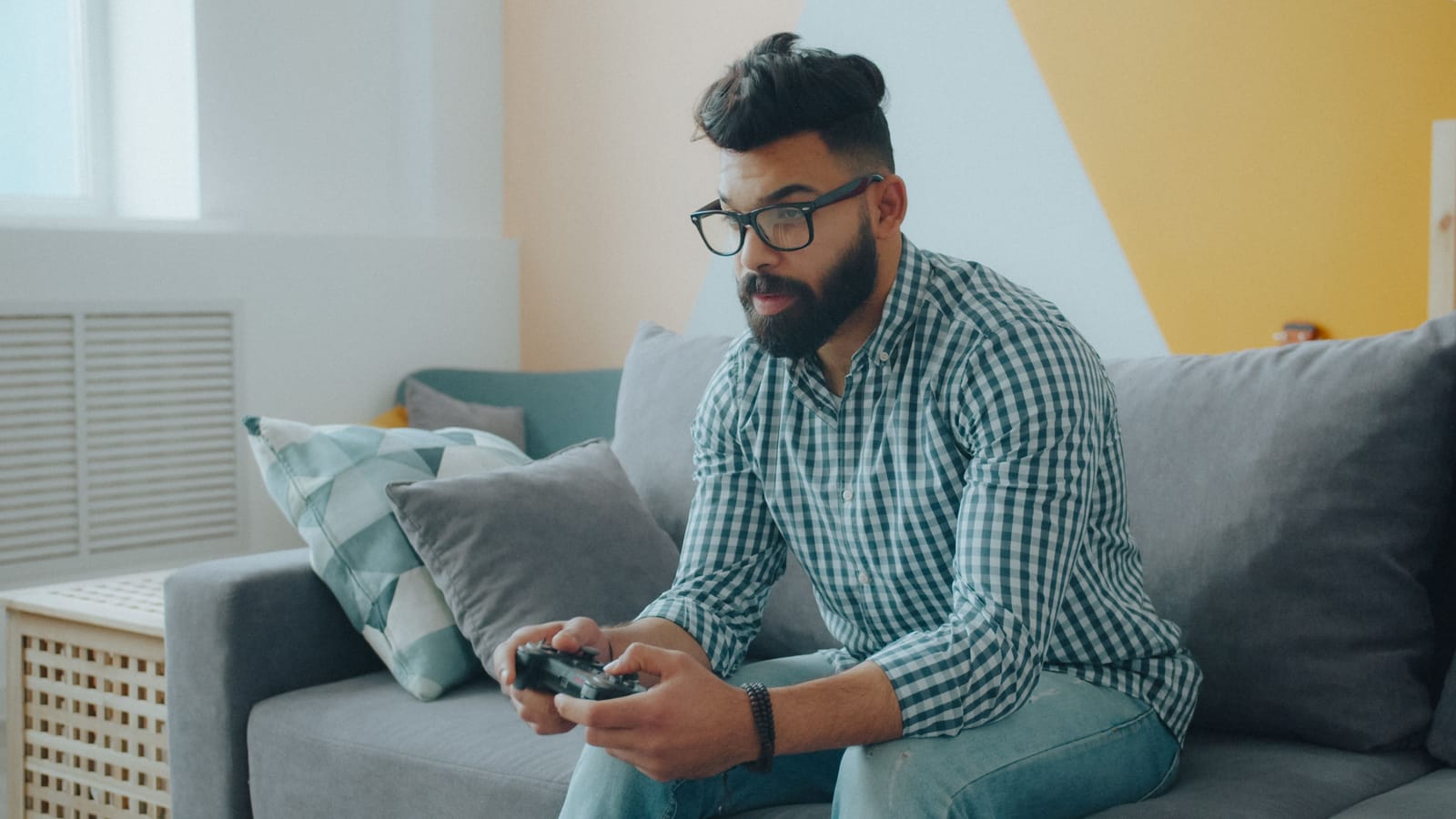
The test is this: can you get something complete out of it in forty minutes, then stand up and walk away without feeling cheated?
That's it. Not graphics, not review scores, not what your friends are playing. If a game can't give you a finished thing in the time you actually have, it doesn't belong in your evenings. Plenty of excellent games fail that test. Plenty of mediocre ones pass it and will still eat six months of your life.
Once you start sorting games that way, the shelf empties out fast.
Games built around the stopping point
The best format for an adult with a job is the run. You start, you play, you win or lose, the thing ends. Twenty to sixty minutes. Then the game genuinely is over until you choose to start another one.
Balatro is the cleanest example going. It's a card game built on poker hands, runs are short, and every loss teaches you something you'll use immediately. It plays fine on a phone, a handheld or a monitor.
Slay the Spire is the older cousin. Deckbuilding, one climb at a time, deep enough that people are still arguing about it years later.
Into the Breach is turn-based and saves constantly, so you can put it down mid-battle without losing anything. Every fight is a small, solvable puzzle. You'll lose a few.
Vampire Survivors caps its runs at half an hour by design. It's cheap, it's silly, and it respects the clock better than games costing ten times as much.
Tetris Effect is the one to keep for nights when you're too tired to learn anything.
None of these will ask you to log in tomorrow. That's the whole point.
The long ones that still earn their place
Some games are worth the commitment. Just know what you're signing up for.
Baldur's Gate 3 is enormous, but it saves anywhere and the camp scenes make natural stopping points. It's the rare big RPG where an hour is a real hour of progress rather than an hour of travel. It also has co-op, including split-screen, which matters if there's another player in the house.
Elden Ring is the one to be honest about. It doesn't pause in single player. If a toddler shouts, you're dead. That's not a flaw, it's the design, but it makes it a poor fit for evenings where you're on call. Save it for a stretch where nobody needs you.
Outer Wilds demands the opposite of everything above: you need uninterrupted blind sessions, no guides, and a notebook. The upside is that it's built on a twenty-two-minute time loop, so there's always a clean exit coming. Don't read anything about it before you start. Don't let anyone tell you anything. Just play it.
Return of the Obra Dinn is a deduction game you can dip into for half an hour at a time and still feel clever. It's black and white and looks like nothing else.
Play with someone in the room
The highest-value hours on a console are the ones with another person on the sofa.
Mario Kart 8 Deluxe is still the most reliable thing in the house for mixed ages and mixed skill. Four players, split screen, nobody's feelings get hurt for long.
It Takes Two is two-player only and can't be played alone. One copy lets a second person join on another machine. It's a genuinely good co-op adventure and it's the rare game a spouse who doesn't play games will finish with you.
Overcooked 2 will test a marriage in a mostly funny way. Set a rule in advance that nobody shouts.
Stardew Valley has co-op farming with no fail state and no timer, which makes it the right speed for playing alongside a nine-year-old.
Age of Empires II against the computer, with a kid on your team, teaches more about planning than most homework does.
Local play also sidesteps the thing worth avoiding entirely with younger children: open voice chat with strangers. If a game requires it, it's a game for you, not for them.
The categories to skip
Anything with a season timer. Battle passes are built to make you feel behind. The mechanism is simple: content expires, so missing two weeks costs you something you paid for. That's a subscription to obligation. If your evenings are limited, a game that punishes you for not showing up is the exact wrong shape. Live-service shooters can be great fun on a Saturday with friends. They're a bad daily habit.
Anything with a raid schedule. If playing well requires being at a screen at 8pm on a Thursday with seven other adults, that's a standing commitment, and you should treat it like one before you agree to it.
Real money for random outcomes. Loot boxes and gacha pulls are a slot machine with better art. Keep your card off them and keep your kids off them. If you ever notice you can't stop spending, that's not a gaming problem and a gaming article isn't the fix. Talk to your doctor or a counsellor about it, and tell your wife before you tell anyone else.
Open-world checklist bloat. A big map with two hundred icons isn't two hundred pieces of content. It's one piece of content stamped two hundred times. Test it in the first two hours: if you're following a marker to clear a camp that's identical to the last camp, you already know how the next sixty hours go.
Pre-orders. There's no reason to pay in advance for something you can't see running. Wait a week. Watch unedited footage. The good games will still be there and will often have had a patch.
Early access with no committed finish. Some early access projects turn into masterpieces. Most stall. Buy it if you'd be happy with exactly what's in it today, and not because of what's promised.
Use the refund window
On PC, Steam's refund policy generally covers purchases played under two hours and requested within two weeks. Console storefronts are stricter and vary, so read the terms before you buy rather than after.
Two hours is a real test. Play it properly, not passively. If by the ninety-minute mark you're checking your phone during cutscenes, you have your answer, and you can get your money back instead of adding another unplayed thing to a library you already feel vaguely guilty about.
Set the hard stop before you start
The failure mode isn't picking the wrong game. It's starting the right one at 10:40pm because the dishes took longer than expected.
Pick a finish time and build the evening backwards from it. Handhelds and sleep-resume on modern consoles mean you never need to burn twenty minutes on loading and menus, which is usually where the hour goes. If the game can't be paused instantly, don't start it on a night when you're tired.
And keep one short game installed for the nights when you've got thirty-five minutes. Having it there's what stops you reaching for the phone instead, then surfacing at midnight with nothing to show for it.
The games that stay with you're the ones you actually finished. Nobody ever looked back fondly on a battle pass.
Dean Shaw
Gear & Garage
Reads the warranty, the parts list and the long-term owner reviews before anything else. Trucks, tools, watches, and the cheap version that costs more.

Watch
Watch how it's done
Picked for this article.
From channels we rate. Plays on YouTube.
BBKDRAGOON
Why You Should Play "Session" Games
Read next