Two pairs of gloves beat one expensive pair
Grip comes from the right glove for the job, not the priciest one. Here's when to buy cheap coated knit, when to buy leather, and what to skip.
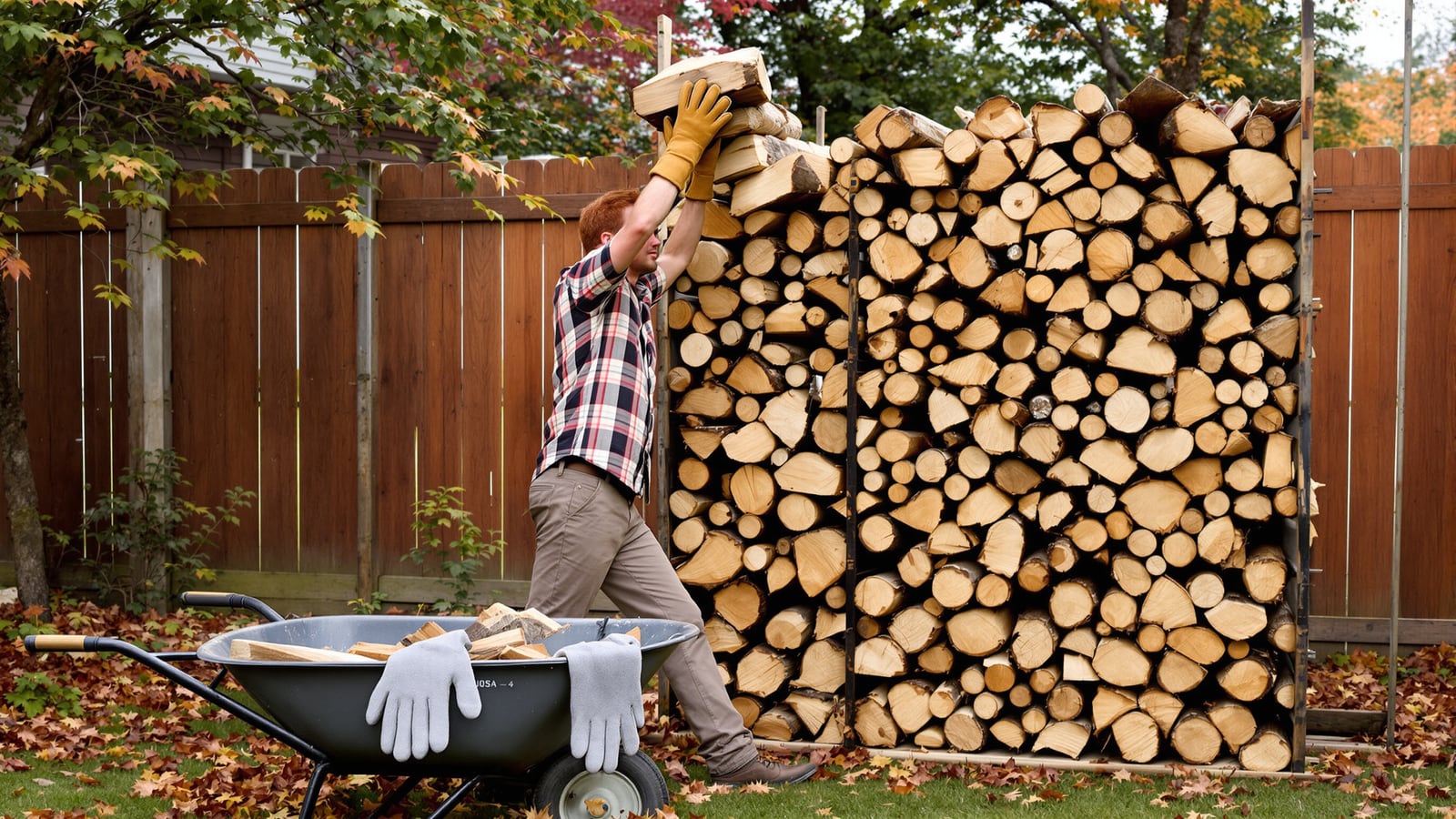
Quick answer: Own two kinds. Buy cheap coated knit gloves by the pack for dry, precise, disposable jobs. Buy one good pair of grain leather gloves, sized right, for anything that bites, scrapes or burns. Skip the middle: the $15 "heavy duty" leather glove that's neither.
The glove that does one job well
Most men own one pair of work gloves. They wear that pair to stack firewood, clear gutters, pull a trailer hitch pin, hold a wet fence post and fix a lawn mower. Then they complain it wore out in March.
It didn't wear out. It got asked to be five gloves.
A coated knit glove, the kind with a nylon or polyester shell and a foam nitrile dip on the palm and fingers, is the best-gripping thing you can put on for a dry job. It's thin enough to pick up a washer. It holds a ratchet. It breathes. It also costs a few dollars a pair, which is the point. When it's chewed up, you don't mourn it. You open the next pair.
If a job is greasy, dirty or likely to eat the glove (changing oil, hauling mulch, painting a fence), this is the right buy. Don't spend leather money on something you plan to throw away Saturday night.
Where the cheap knit glove quits
It fails in three places, and you should know them before you trust it.
Sharp things. A coated knit glove stops splinters about as well as a sock. If you're handling rough lumber, wire, sheet metal or broken glass, you need leather or a glove rated for cut resistance. Cut-resistant gloves carry a numbered level from the ANSI/ISEA 105 standard. Look for it on the package. If a package just says "cut resistant" with no level, treat it as marketing.
Heat. Nitrile coating softens and sticks. Don't grab a hot exhaust or a cast iron pan lid in one.
Soaked hands. Once the shell is wet through, the glove goes heavy and loose, and the dip starts to peel at the fingertips. For wet, cold work, a latex-coated glove with a crinkle finish grips better. It still isn't a rain glove.
What to look for in the leather pair
Leather is where the money goes, and where the price tag lies to you most.
Check the label for grain leather. That's the outer layer of the hide, the strongest part. Split leather comes from the inner layers. It's rougher, cheaper and tears sooner. Plenty of low-priced gloves are split leather with a nice stamp on the cuff.
Then pick your hide:
- Goatskin is soft and flexible, with good feel for tools. It's a strong all-round pick.
- Cowhide is tougher and stiffer. It's the choice for fencing, hauling and demolition.
- Pigskin stays softer after it gets wet and dries without turning to board.
- Deerskin is the most comfortable and the one that stiffens most after a soaking.
Next, turn the glove over and look at the thumb. A keystone thumb is cut as a separate piece and sewn into the palm, so the thumb moves without pulling the whole glove across your hand. A wing thumb is similar and common on better pairs. The cheapest gloves use a straight thumb, which bunches up the second you grip a handle.
Look at the stitching, too. It should be heavy thread, evenly spaced, with the seams at the fingertips reinforced. If you see glue where stitching should be, put it back.
Fit is where grip actually comes from
A glove that's too big bunches in the palm, slides on the tool and wears a hole exactly where you grip. One that's too tight splits at the seams between the fingers within a month. Neither one grips.
Measure around your dominant hand across the knuckles, flat, in inches. Use the maker's size chart instead of guessing from S, M and L, because sizing varies a lot. And try them with your fingers curled around a hammer handle or a rake. If you can't make a full fist without fighting the leather, go up a size or switch to goatskin.
One safety rule isn't optional. Around a drill press, lathe, or any spinning bit or blade, take the gloves off. A loose glove can catch and pull your hand in faster than you can react. Short sleeves, no gloves, and a steady hand beat a glove that's gripping the wrong thing.
Make the leather last the season
A good pair should get you through a hard season and then some, if you stop doing the things that kill leather.
Don't dry them on a radiator, a woodstove or the dashboard. Heat cooks the leather and it cracks. Let them dry flat at room temperature, shaped by hand while damp, and they'll stay soft.
Brush off the mud when it's dry. Rub in a little leather conditioner at the end of the season, or sooner if they feel stiff. Rotate two pairs if you're on the job every day, because sweat is hard on leather, and a glove that dries out overnight lasts longer.
Check the seams once a month. A loose stitch at the thumb takes five minutes to fix with a needle and waxed thread. Left alone, it's a blown-out thumb by Christmas. That's the whole idea behind buy-it-for-life should mean repairable, not expensive. A pair worth fixing is a pair worth buying.
What to buy, what to skip
Buy:
- A multi-pack of foam nitrile coated knit gloves for yard work, mechanical work and anything greasy.
- One pair of grain goatskin or cowhide gloves with a keystone thumb for rough, heavy work.
- A latex crinkle glove for cold, wet jobs, if you work outside in winter.
- A cut-resistant glove with a stated ANSI level, if you handle sheet metal or glass.
Skip:
- Split leather sold as "heavy duty."
- Any glove with a glued palm where there should be stitching.
- Insulated gloves with no grip surface, which feel warm and drop everything.
- A single pair for every job.
The cheap pair is right more often than leather snobs admit. A few dollars for a glove you'll burn through is a good trade. The leather pair is right when the job can hurt you, and when you'd rather mend a seam than shop again.
Throw a spare pair of the cheap ones behind your truck seat. Eventually a neighbor or a nephew will show up to help move a fence or haul brush with bare hands and a good attitude. Handing him a pair costs you almost nothing, and it keeps him working through the afternoon. If you're building out the rest of the cab, the truck kit that handles almost every roadside problem is the place to start.
And when he hands them back worn and dirty, tell him to keep them.
Wes Dunbar
Country & Skills
Grew up on an acreage and never quite left. Covers trucks, trades, land, and how to do the thing yourself.

Watch
Watch how it's done
Picked for this article.
From channels we rate. Plays on YouTube.
Project Farm
Best Gloves? Milwaukee vs Ironclad, Mechanix, Carhartt, Amazon Basics
ChrisFix
What are the Best Work Gloves for a DIYer?
Read next