

Check your will every three years, and after any big change
Your will is only as good as the life it describes. Here's how to review it, fix it, and sign it correctly, for little or no money.
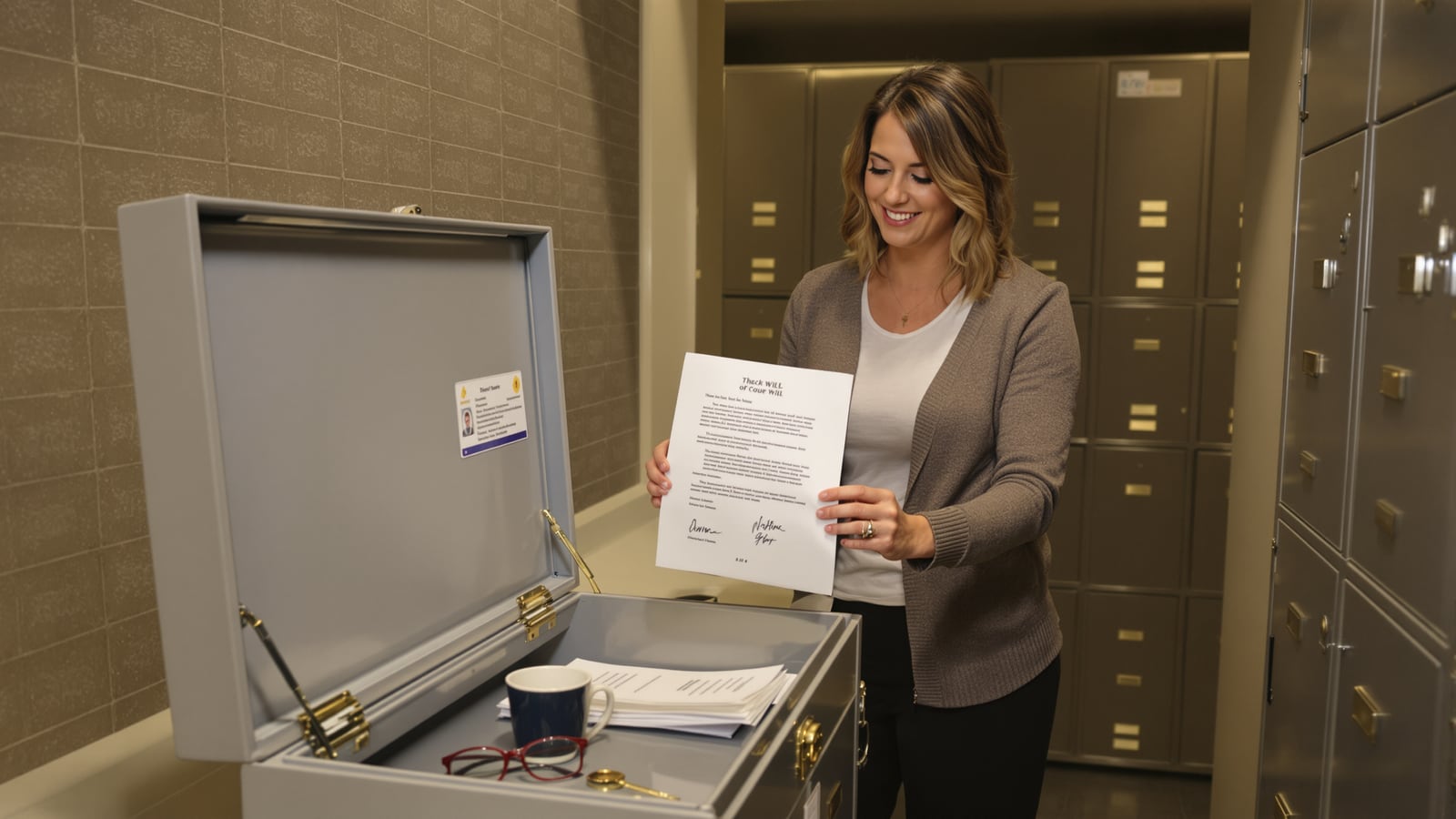
Pull your will out every three to five years, and any time your life shifts: a marriage, a divorce, a new baby, a death in the family, a move to another state, a big jump in what you own. Read it against your life as it is today. Fix a small problem with a codicil (a signed amendment) and a bigger one with a new will. The review takes an afternoon. The fix runs from free to a few hundred dollars. This is general education, not legal advice, so have an estate attorney in your state sign off on anything that matters.
1. Find the signed original and read every line
Not a copy. The original, with the ink signatures. Many probate courts want it, and a photocopy can mean extra hearings.
Check the date on the last page. Then read the whole thing slowly, pen in hand, and mark anything that makes you wince. Most people do wince. The will they wrote at 28 names a brother they've since stopped speaking to and leaves a truck they sold in 2019.
2. Check the people
Go name by name: your executor, your backup executor, your guardian for minor children, and every beneficiary.
Ask of each one: Are they alive? Willing? Capable? Close enough to do the job? An executor does real work for months, and a backup who lives across the country is a weak backup. Some states restrict who can serve if they live out of state, so rules vary there.
If you named a guardian for your kids, make sure that couple still has the home, the health and the energy for it. The court has the final say, but it leans heavily on what you wrote.
And if a child has turned 18 since you signed, look at how they'd inherit. A 19-year-old handed a lump sum is a risk. Ask a lawyer about holding the money in a trust until a set age.
3. Check the stuff
List what you own now. Then compare it to what the will says.
A gift of a specific item you no longer own, say the boat you sold, usually just fails. Lawyers call it ademption, and most states have some version of it. The heir gets nothing, and the gift isn't replaced with cash unless you say so.
If you own firearms, name who gets them. Most are an ordinary transfer to an heir, but anything under the National Firearms Act, like a suppressor or short-barreled rifle, needs ATF Form 5 for a tax-exempt transfer to a lawful heir. Handle that now, not in the middle of a funeral. Many owners put those items in a trust. Ask an attorney who knows firearms law.
4. Check the paperwork that beats your will
This is the step people skip, and it's the one that costs families the most.
Retirement accounts (401(k), IRA), life insurance, payable-on-death bank accounts and transfer-on-death brokerage accounts go to whoever is named on the account's beneficiary form. Your will doesn't touch them. The same goes for a home deeded in joint ownership with survivorship.
So log in or call each company, request the current beneficiary form, and compare the names to your will. Fill out a new form if they differ. It's usually free. Then ask for written confirmation that the change was recorded.
Married? Federal law generally makes your spouse the beneficiary of your employer 401(k) unless they sign a written consent. Don't try to work around that with a quiet form.
5. Check the law where you live now
A valid will usually stays valid when you move. But the details can change.
Nine states are community property states: Arizona, California, Idaho, Louisiana, Nevada, New Mexico, Texas, Washington and Wisconsin. In those, a spouse often owns half of what was earned during the marriage, which changes what you can leave to anyone else. Other states give a surviving spouse a minimum share no matter what the will says.
Then the tax side. The federal estate tax exemption is $15 million per person in 2026, so most families never see it. A dozen or so states and D.C. have their own estate tax at far lower thresholds. Oregon's starts at $1 million, Massachusetts at $2 million. A few states, including Pennsylvania, Kentucky and Nebraska, tax what heirs receive instead. Look up your state's revenue department site, or ask an attorney if you're close to a line.
6. Decide: codicil or new will
A codicil fits a narrow change, such as swapping the executor. It has to be signed and witnessed with the same formalities as the will itself. Two witnesses is the norm.
If you're changing more than a name or two, write a new will. Stacked amendments get confusing, and confusion is what lands families in court.
Never write on the original. No cross-outs, no handwritten notes in the margin, no staples. Alterations can void a clause or the entire document.
Cost: a lawyer's flat fee for a simple will commonly runs a few hundred dollars, and a codicil usually costs less. Ask for a flat quote before you book. If you'd rather draft it yourself first, see How to Write a Will Without Paying a Fortune.
7. Sign it correctly, then store it where it can be found
Use witnesses who aren't beneficiaries. A witness who inherits can create a legal problem in many states.
Add a self-proving affidavit, signed in front of a notary. It lets the court accept the will without tracking down your witnesses years from now. Notary fees are small, and many banks do it free for customers. A few states handle this differently, so check yours.
A new will should state that it revokes all earlier ones. After signing, shred the old signed original. An outdated will sitting in a drawer is an invitation to a fight.
Store the new one in a fireproof box at home or with your attorney. Some counties let you deposit it with the probate court for a small fee, so ask the clerk. A safe-deposit box can slow your family down because they may need court permission to open it. Whatever you choose, tell your executor exactly where it is.
8. Set the next review date
Put it on the calendar: three years out, same month. Most people only update after a crisis. You'll be doing it on a quiet Saturday.
While the folder is open, leave it better than you found it. Add a one-page list of your accounts, your insurance agent, your lawyer's number and where the key papers are. If a birth certificate or Social Security card is missing from the file, here's how to replace them.
The mistake that undoes everything
Updating the will and leaving the beneficiary forms alone.
A man remarries, rewrites his will to protect his new wife and his kids, and forgets the 401(k) form still naming his first wife. In many cases the account goes to her. Divorce statutes in some states cancel an ex-spouse's claim, but federal law can override them for employer plans. Don't bet your family on that.
Do the will and the forms the same afternoon. Make sure they tell the same story.
When you're gone, nobody should have to guess what you meant. Make it easy to follow.
Ray Okonkwo
Money & Business
Former commercial banker turned small-business owner. Covers salary, credit, margins and the arithmetic nobody does before signing.

Watch
Worth an hour of your evening
More from How To.
From channels we rate. Plays on YouTube.
Read next