Your dominant eye picks the shoulder, not your hand
Right-handed with a left master eye? Before you buy a new rifle or learn a new shoulder, find out what switching sides really costs.
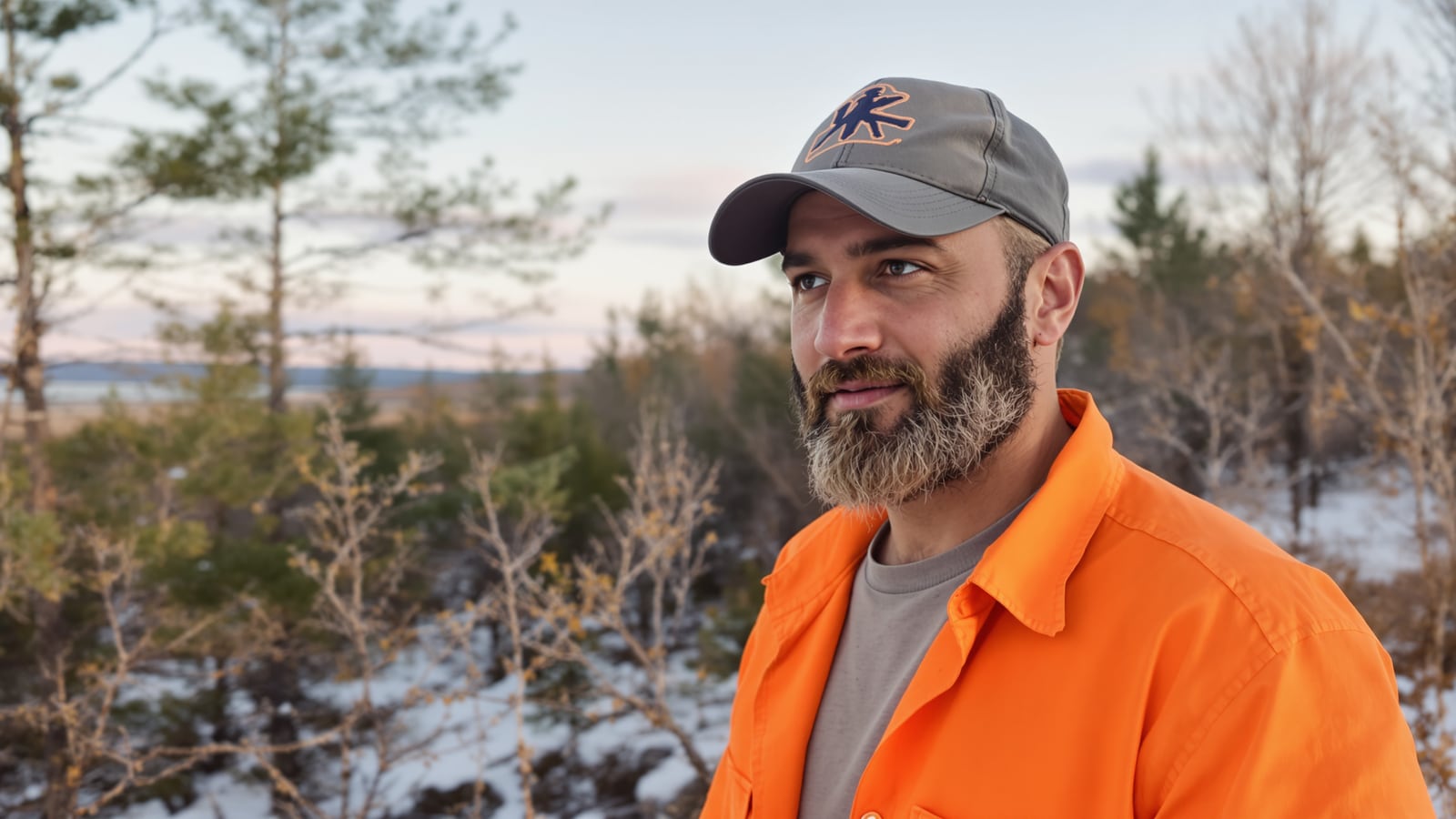
Quick answer: Shoot from the shoulder that matches your dominant eye. Test it before you spend a dime. If your hand and eye disagree, learning the other shoulder usually costs less than a new rifle or a squinted eye, but it costs weeks of unloaded practice, and you shouldn't skip them.
Test the eye first
Most hunters never do this. They pick up a rifle the way they pick up a coffee cup and spend years wondering why the group drifts.
Stand across the room from a doorknob or a light switch. With both eyes open, extend your arms and make a small triangle with your hands. Frame the object. Pull your hands slowly back to your face without moving your head. They'll come to rest at one eye. That's your master eye.
Do it three times. Then do it again the next day, because a weak dominance can flip depending on how you tilt your head. If it flips, you're closer to centrally dominant, and the rest of this gets easier. If it lands on the same eye every time, believe it.
Most right-handed people are right-eyed, and most lefties are left-eyed, but not all of them. Someone is always the exception. If your hand and eye match, stop reading and go sight in your rifle. If they don't, keep going.
Why the eye wins
A rifle sight, scope or iron, has to line up with the eye doing the aiming. A cross-dominant shooter who mounts on the "wrong" shoulder pushes the sight toward the weaker eye, and the stronger eye keeps sending a competing image. The brain flips between them. Your point of aim wanders, and you don't know why.
Some shooters fix this by closing the dominant eye. It works on paper. In the field it costs you.
At first light, with a deer easing out of the timber, you want both eyes open. You get more light, a wider field and better sense of movement. Closing one eye shrinks all of that. You also tire faster, and anyone who's held a squint through a long glass sit knows how a headache feels. Taping a lens or using a blinder on the scope is another version of the same trade-off.
I wouldn't tell anyone it never works. I'd tell you it's the one most people quit.
The three options and what each costs
1. Keep your shoulder, close the eye. Free, immediate, and it leaves you with a smaller view of the woods at the exact moment you need a big one. Fine for a slow range session. Poor for dawn.
2. Switch shoulders on the rifle you have. A right-hand bolt action fired from the left shoulder is the most common version. It costs you nothing at the register. It costs you practice time and some awkwardness: you run the bolt with your support hand, you lose a beat on a follow-up shot, and the ejection port now sits right by your cheek. Wear shooting glasses every time. Any rifle can send hot gas or a bit of brass your way when something goes wrong, and with the port at your face you want that eye covered.
3. Buy a rifle built for the other side. Left-hand actions put the bolt where your trigger hand can reach it. The cost is money and selection. Fewer models, fewer calibers on the shelf, sometimes a wait. And a used right-hand rifle you already own loses resale value in a way it doesn't if you keep it.
Stock shape matters too. Some stocks have a raised cheekpiece on one side only. Put one on the wrong shoulder and your face rides the slope instead of the comb. A plain, symmetrical comb is far easier to switch. Check this before you decide anything.
How to switch without hurting anybody
Everything below is done with an unloaded rifle. Clear it, check the chamber, check it again, and keep the muzzle in a safe direction the whole time. That's not a suggestion for this drill. It's the whole drill.
- Mount in the mirror. Stand at the living room wall, rifle pointed at a safe spot, and practice shouldering to the new side. Get your cheek to the same place on the stock every time. Fifty slow repetitions in an evening do more than one afternoon at the range.
- Dry-fire the trigger. Use snap caps if your rifle's maker recommends them. Press the trigger without moving the crosshair. Your new trigger finger is clumsier than you expect.
- Work the bolt without breaking the mount. On a right-hand action from the left shoulder, practice cycling with your right hand while your cheek stays on the stock. If you're tempted to bring the rifle down every time, you haven't practiced it enough.
- Go to the range slowly. Start at 25 yards. Don't chase groups. Learn where the rifle sits when you're relaxed, then back out to your hunting distance.
- Re-zero. A new shoulder can shift your point of impact. Don't assume. And do it well ahead of the season. Sight in six weeks early, not the night before walks through the timing.
If you've never been coached, ask a certified hunter education instructor or a range officer to watch you mount. They'll catch a canted head or a collapsed shoulder in about ten seconds.
When the old habit fights back
The first few outings, your hand will want to go where it always went. It will happen at the worst moment. A deer steps out and your body tries to mount on the old side.
That's the real cost of switching. Not the money. The reflex. Anything that feels natural under pressure is the one you've repeated most, and you've repeated the wrong one for years.
So don't take the switched rifle into a hunt until the new mount is the one you reach for without thinking, and until you trust the shot. When you're not sure of the shot, you already have your answer applies doubly here. If you're thinking about your shoulder, you shouldn't be pulling the trigger.
The off-side skill worth having anyway
Even if you never switch for good, learn to shoot a little from your weak shoulder. A tree trunk, a blind wall or a ground blind's corner will sometimes put you in a spot where the strong-side swing is blocked. Being able to mount the other way, slowly, with a clean muzzle direction, gets you a safe shot instead of a forced one.
Practice that unloaded too. Never swap shoulders with a round in the chamber and your muzzle sweeping across your buddy, your dog or your stand.
Know your local rules
Nothing in the law cares which shoulder you shoot from. But legal calibers, season dates, shooting hours, tags and hunter-education requirements all vary by state and province, and sometimes by county or unit. Check your state wildlife agency's current regulations before you buy a rifle, a new caliber or a new scope for any reason. If you're still choosing a rifle, your first hunting rifle and the optic that earns its keep is a good place to start.
What to do this week
Find your master eye tonight. Tomorrow, try the mount on both shoulders with an unloaded rifle and a safe backstop in front of you. If your eye and hand disagree, give the new shoulder a month of short, boring evenings before you pay for anything.
The deer doesn't care which side you shoot from. It cares whether the first shot is clean.
Wes Dunbar
Country & Skills
Grew up on an acreage and never quite left. Covers trucks, trades, land, and how to do the thing yourself.

Watch
Worth an hour of your evening
More from Hunting & Shooting.
From channels we rate. Plays on YouTube.
Read next