
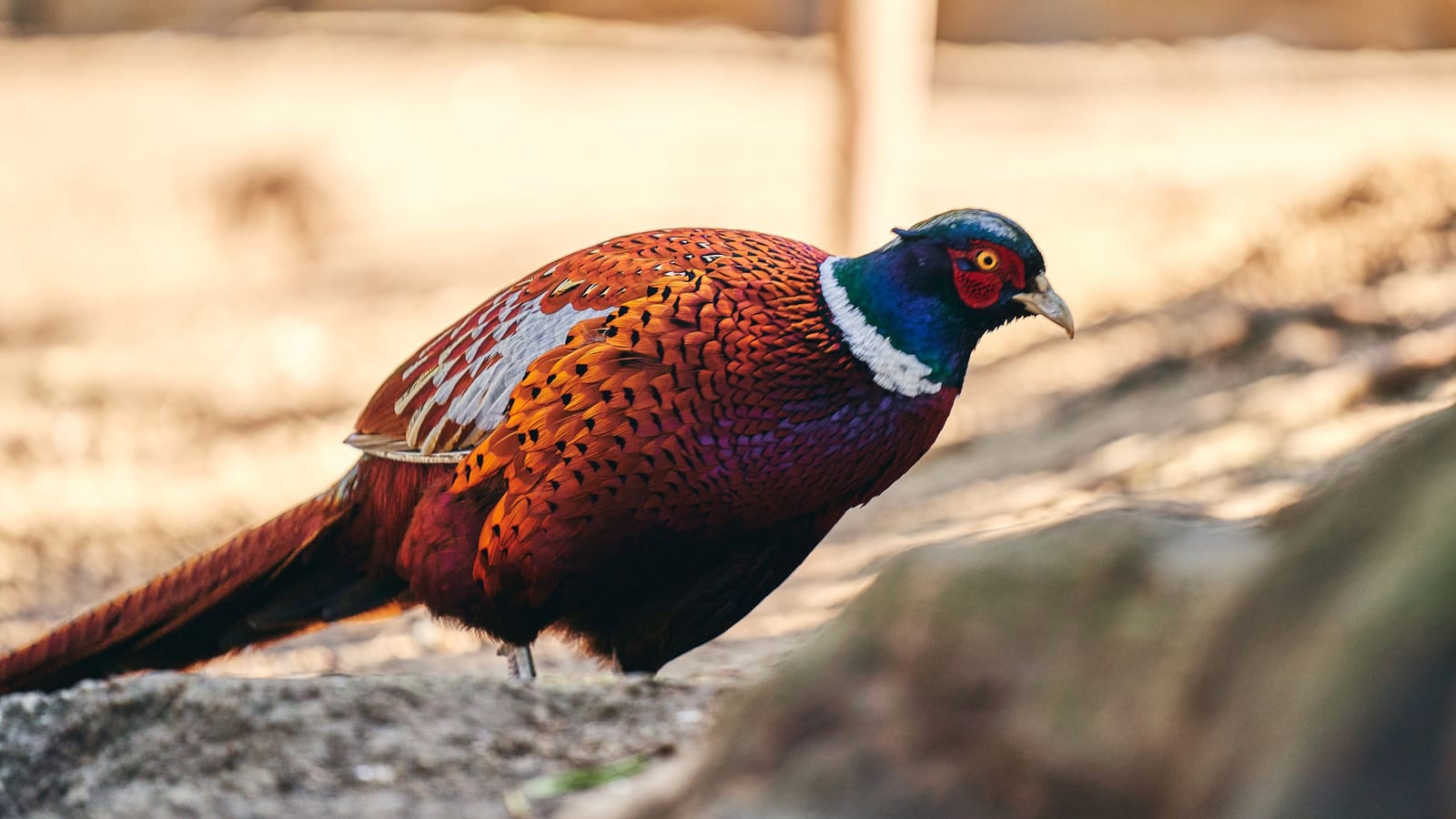
Quick answer: Pluck fat puddle ducks, young birds and anything you plan to roast whole. Breast geese, strong-tasting divers and badly shot birds, and always take the legs with them. Before you cut anything, know what your state or province says has to stay attached.
Picture a drake mallard on a tailgate at nine in the morning. Your fingers are cold and the coffee's gone. A buddy breasts his limit in six minutes flat and tosses the rest in a bag. You're on bird number two, pinching feathers, with down stuck to your eyebrows.
He's home first. You eat better that night. Neither of you is wrong. The mistake is doing the same thing to every bird without thinking about it.
The law decides the first step
Start here, because getting it wrong can cost you a ticket and your birds.
In the United States, federal migratory bird regulations require the head or one fully feathered wing to stay attached to each migratory game bird while you transport it from the field to your home or a processor. Doves and band-tailed pigeons are the exceptions. The point is species identification, so a warden can confirm you didn't shoot a canvasback on a closed day. If you breast a duck at the truck and drive home with a cooler of loose breasts, you've broken the rule even if every bird was legal. Canada's migratory bird rules have their own identification requirement, so read them before you clean anything in the field.
Upland birds fall under state and provincial law, and the rules vary. Some places require a head, a foot or enough plumage to show species or sex in transit. That matters for rooster-only pheasant seasons.
Then there's wanton waste. Many jurisdictions spell out which parts of a game bird you have to salvage, and some go beyond the breast. Check the current regulations for every place you hunt, every season. They change.
Remember that birds in your freezer count toward your possession limit, plucked or not.
What you give up when you breast
Breasting is fast and clean, and it leaves a lot behind.
When you breast a bird, the legs, thighs, wings, skin, fat and carcass go in the trash. On a fat late-season mallard or a corn-fed pintail, that skin and the fat under it carry most of the flavor. It's why a roasted wild duck tastes like duck and a skinless breast tastes like lean, dark meat that overcooks if you look away.
You also give up stock. A few roasted carcasses simmered for an afternoon turn into the base for gumbo or soup all winter.
Breasting does have a real advantage. You see the meat. Bruising, shot damage and feathers driven into the flesh are obvious, and you can trim them. A plucked bird hides some of that until it's on the plate.
The birds worth plucking
Pluck when the skin is worth eating or you want the bird whole.
- Fat puddle ducks. Mallards, pintails, gadwall and wood ducks, especially later in the season when they've been eating grain.
- Teal. They're small enough that breasting leaves almost nothing. Plucked and roasted whole, two make a dinner.
- Young pheasants. They roast beautifully with the skin on. Old roosters with spurs like ice picks are another story.
- Quail. Plucking is quick, and the skin keeps the meat from drying out.
- Specklebellies and young snow geese if you want to roast one. It's a project, but a good one.
The birds worth breasting
Breast without guilt when the skin works against you or the bird is too damaged to be worth the hour.
- Big Canada geese. Plucking an adult honker is a long, miserable job. Breast it, take the legs for slow cooking, and move on.
- Sea ducks and some divers. Their fat can carry a strong, fishy flavor. Skinning it off improves the meat. Brine or soak the breasts before cooking.
- Shot-up birds. If the skin is torn in six places, plucking just shreds it.
- Ruffed grouse and other thin-skinned upland birds. The skin tears easily, so many hunters skin them and lose very little.
Breasting doesn't mean throwing away the legs. Goose and duck legs braised low and slow for hours come out tender, and they're some of the best meat on the bird. Take them unless your regulations or the shot damage say otherwise.
Dry plucking without losing your mind
Most people quit plucking because they do it wrong. They grab a fistful and rip, the skin tears, and they swear off it for life.
Pluck small pinches, two or three feathers at a time, with your thumb pressed close to the skin. Pull in the direction the feathers lie, or slightly against it on the breast. Hold the skin taut with your other hand.
Start on the breast, where the skin is toughest. Do the back and legs next. Cut the wings off at the first joint, since there's no meat out there worth the effort.
Pluck birds cold, not frozen, and not warm in the sun. Cool birds firm up and pluck more cleanly, and a pile of warm birds in the truck bed spoils faster than you'd think. Get them spread out and in the shade as soon as you can.
Do it outside. Down goes everywhere. Wear a cheap dust mask if you're doing a limit.
Wax, scalding and a torch
Wax is how serious duck pluckers handle a big haul. Rough-pluck the big feathers, dip the bird in a pot of hot water with melted paraffin floating on top, then dunk it in cold water so the wax hardens. Peel it off and the down comes with it. Melt the wax over water, never in a dry pot over a direct flame, because hot paraffin is flammable. You can strain the wax and reuse it.
Scalding works well on upland birds and less well on ducks, whose feathers shed water. A brief dip in hot water, well short of boiling, loosens the feathers. Too hot or too long and you start cooking the skin, and it'll tear.
Singeing gets the last fine hairs and pinfeathers. A small propane torch, a few quick passes, and you're done.
Whatever method you use, check for shot. Run your fingers over the meat, look for dark holes, and dig pellets out with a knife tip. Steel shot doesn't flatten the way lead does, and it'll crack a tooth.
Breast and legs in five minutes
Lay the bird on its back. Pinch the skin at the bottom of the breastbone and peel it back, exposing the breast. Run a sharp knife down one side of the keel bone, then follow the ribs and work the fillet free. Repeat on the other side.
For the legs, pull the skin back over the thigh, bend the leg until the hip joint pops, and cut through. Game shears make this easier on geese. If you're working alone and in the dark, the same less-is-more logic from field dressing alone applies. A short, sharp blade beats a big one, and the knife you actually carry should be one you've already sharpened.
Remember the identification rule. Breasting at home is easy. Breasting at the truck usually means a wing or head still has to travel with the meat, so read the rule for where you hunt.
Clean up like you'll be back
Wear disposable gloves when you clean wild birds. Wildlife agencies have pushed this harder since avian influenza started showing up in waterfowl. Work outside, don't eat or drink while you're handling birds, wash your hands and tools well, and cook wild birds to a safe internal temperature. If a bird looked sick or acted strangely before you shot it, call your state wildlife agency before you handle it.
Don't dump carcasses and feathers at the boat ramp, the parking lot or the edge of somebody's field. In plenty of places it's illegal. Everywhere, it's how hunters lose access. Bag them and dispose of them the way your local rules allow. If you cleaned birds at a buddy's place, leave his spot cleaner than you found it. Hose the table, pick up the down, and take your trash home.
Save a few good feathers if you know somebody who ties flies. They'll owe you.
Pluck two birds this season that you'd normally breast. Roast them with salt and nothing else. Then decide whether the twenty minutes was worth it.
Wes Dunbar
Country & Skills
Grew up on an acreage and never quite left. Covers trucks, trades, land, and how to do the thing yourself.

Watch
Worth an hour of your evening
More from Hunting & Shooting.
From channels we rate. Plays on YouTube.
Read next