Black bear hunting, the bait argument and what to do with the meat
Bait is legal in some states and outlawed in others, bears don't leak blood like deer, and the only kitchen number that matters is 165.
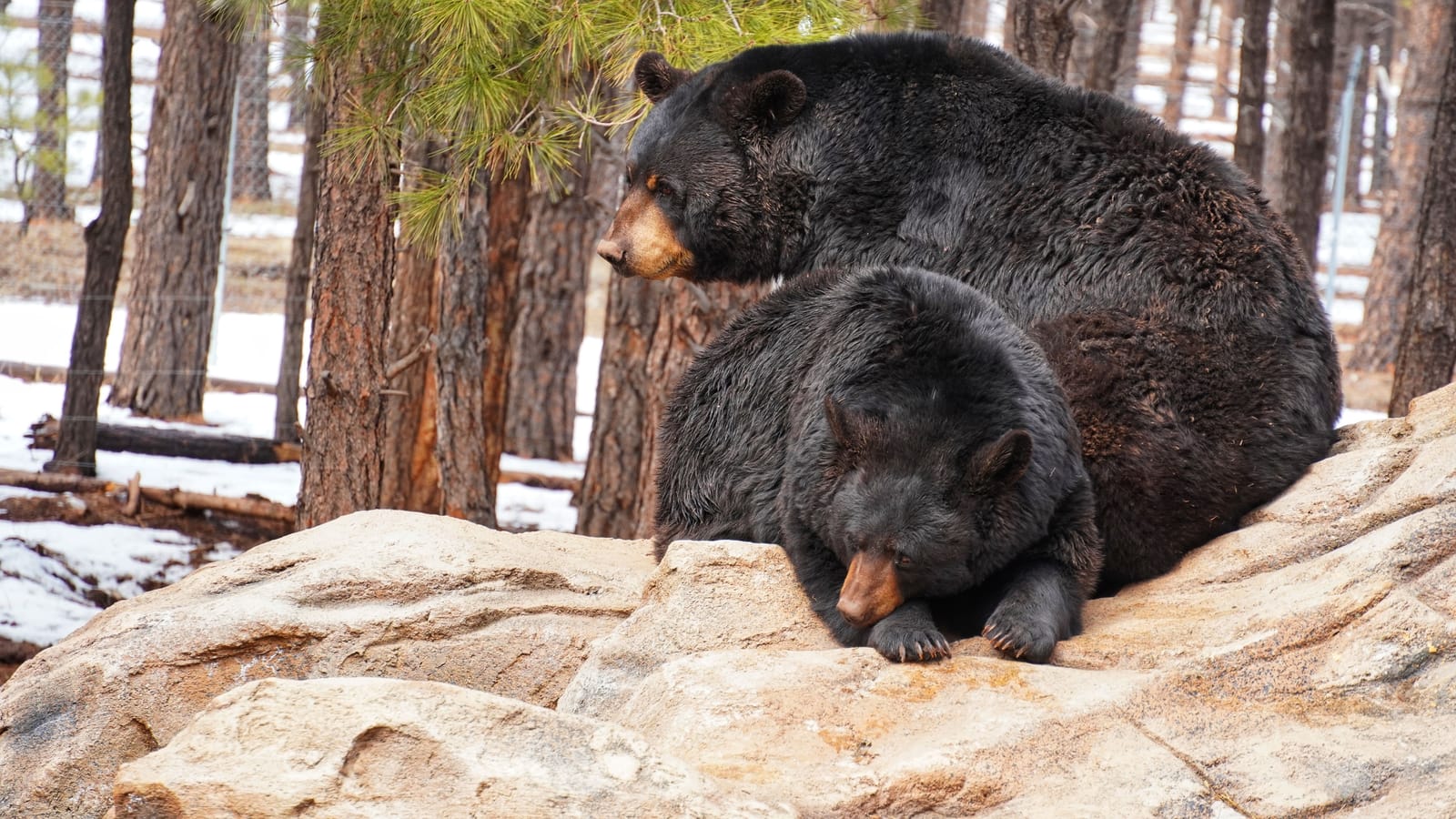
Bear regulations are fussier than deer regulations, and that catches people. Deer, you buy a tag, you read two pages, you go. Bear, you've got a spring season or a fall season or both or neither, a drawing in some units and over-the-counter tags in others, a sealing deadline measured in days, a tooth the biologist wants in an envelope, and a bait rule that changes the second you cross a state line. The hunt is simple. The homework isn't.
So start there, because the guy who skips it's the guy standing in a parking lot at 9 p.m. trying to find out whether the check station closed at eight.
Read the digest like it's a contract
Pull the current regulations for the exact unit you're hunting, not the state summary somebody screenshotted on a forum in 2019. Bear rules get amended more often than almost anything else in the book, usually because the population survey moved or a ballot measure passed.
The things that vary, and that you need to know cold before opening day:
- Season structure. Spring bear is a big deal in Idaho, Montana, Alaska and much of Canada. It's illegal in Colorado, Oregon and Washington, all by ballot initiative in the 1990s. Some states run spring and fall both.
- Tag type. Draw, over-the-counter, or a limited non-resident quota that sells out in an afternoon.
- Sows with cubs. Protected essentially everywhere. In practice this means you don't shoot the first bear that walks in. You sit and you watch, sometimes for twenty minutes, to see if a smaller shape steps out behind it.
- Sealing and registration. A lot of states want the carcass or the hide and skull presented within 24 to 72 hours, with the hide unfrozen and the evidence of sex still attached. That last part trips up people who skin at camp.
- The tooth. Many states require a premolar for aging. It's a small pull with a dental elevator and it's how managers know whether your unit's bears are getting older or younger, which tells them whether they're overharvesting.
- Meat salvage. More states now require you to remove the edible meat, not just the hide and skull. Wanton waste on a bear is a real charge with real consequences.
Two more that surprise people. Some states won't let you hunt a bear over a bait you didn't register, and some require your name and permit number on the barrel. And in plenty of places, running hounds is legal, restricted or banned outright, independent of the bait rule.
The bait question, honestly
Baiting black bears is legal in Maine, Michigan, Wisconsin, Minnesota, Idaho, Alaska and much of Canada, under detailed rules. It's illegal in Colorado, Oregon, Washington and a number of other states, mostly by direct vote. Maine put it on the ballot twice, in 2004 and 2014, and both times the state voted to keep it.
Here's the part the argument usually skips. Baiting isn't a shortcut. It's the labor-intensive way to hunt a bear.
You're hauling 50-pound buckets of day-old bakery scrap and trail mix into a spot a mile off the road, restocking it every two or three days for a couple of weeks before you ever sit, and doing it in July and August heat with bugs that have opinions about you. A bait site you hit once is a bait site a bear visits once. The whole method runs on a bear deciding your barrel is a reliable part of his week.
The case for it's selectivity, and it's a strong one. A bear on a bait at 25 yards in good light, standing next to a 55-gallon drum you know is 34 inches tall, is a bear you can actually judge. You can see if she's lactating. You can see if there's a cub in the brush. You can see the ears sitting wide and small on a big boar's head versus tall and close on a young one. You can pass. A bear glimpsed crossing a cut at 180 yards gives you none of that, and the odds you make a mistake go up.
The case against it's that a lot of good hunters find shooting an animal at a food pile distasteful, and that's a legitimate position held by legitimate hunters. I'd rather a man say that plainly than pretend it's about biology. Spot-and-stalk bear in steep country in May is one of the best hunts in North America and asks more of your legs and your glass. If that's the hunt you want, go do that one.
What isn't up for debate: don't bait where it's illegal, don't bait near homes or campgrounds, clean the site out when you're done, and check your state's list of prohibited baits. Several states restrict or ban chocolate outright, because theobromine kills bears the same way it kills dogs. Cocoa-heavy bakery waste has killed cubs. Read the list.
Bears aren't deer, and they don't leak like deer
Put your shot tighter to the shoulder and lower than your deer instincts say. A bear's hair is long and it makes the animal look four inches taller than it is, so the guy aiming at the visual center of the body shoots over the lungs and into nothing. Find the front leg, come up about a third of the body depth, and break the crease.
Then expect a bad blood trail. Fat plugs the holes. Black hair hides what does come out. Bears don't always crash and they rarely bleed the way a deer does after a double-lung pass-through, so a complete pass-through matters more here than it does on a whitetail. Mark the last place you saw him. Wait, mark the direction of the sound, then go back to the truck for the second flashlight and a buddy. Bear recovery at night, alone, in thick stuff, is how people get hurt or lose animals.
The meat is the reason, and heat is the enemy
A fall bear on acorns and blueberries is genuinely excellent. Dark, sweet, closer to grass-fed beef than to venison. A coastal bear on spawned-out salmon isn't, and no marinade fixes it.
Get the hide off fast. That's the whole trick. A bear is wearing a fur coat over an inch of fat and it holds body heat far longer than a deer does, so a bear left whole on a warm September afternoon sours from the inside while the outside still feels cool. Skin it, quarter it, get air on the meat, get it into a cooler with ice.
Now the part that isn't optional. Black bear can carry Trichinella, and freezing doesn't reliably kill it in bear meat. The freeze-tolerant strains survive a home freezer. There's no field test and no visual sign. Cook every cut of bear to 165°F internal, verified with a probe thermometer, and never serve it pink. That means no rare bear backstrap, no medium bear burger, and real care with summer sausage and jerky made at low temperatures. Bring the meat to temperature before it goes in the smoker at 120.
Cooked through, bear does great where you'd braise. Shoulder in the Dutch oven with onions and a bottle of dark beer, six hours, falls apart. Grind the rest with its own fat for chili and taco meat.
Then render the fat. Trim it clean, cube it, and melt it low in a heavy pot for a few hours until the cracklings sink and the liquid goes clear. Strain it into jars. Bear lard makes the best pie crust and the best biscuits you will ever eat, and it keeps for months in the fridge. Guys who throw that fat in the gut pile are burning the best thing they killed.
Your license dollars and the excise tax on the ammunition you shot are what pay the biologist who wanted that tooth. Send it in. He's the reason there are enough bears to argue about in the first place.
Wes Dunbar
Country & Skills
Grew up on an acreage and never quite left. Covers trucks, trades, land, and how to do the thing yourself.

Watch
Watch how it's done
Picked for this article.
From channels we rate. Plays on YouTube.
MeatEater
The Peril of Bear Meat: A Conversation with Steven Rinella and Michael Ruhlman
Read next