A quiet bull isn't a gone bull
September elk calling is half sound and half silence. Learn what the quiet means and you'll stop walking away from bulls that were already coming.
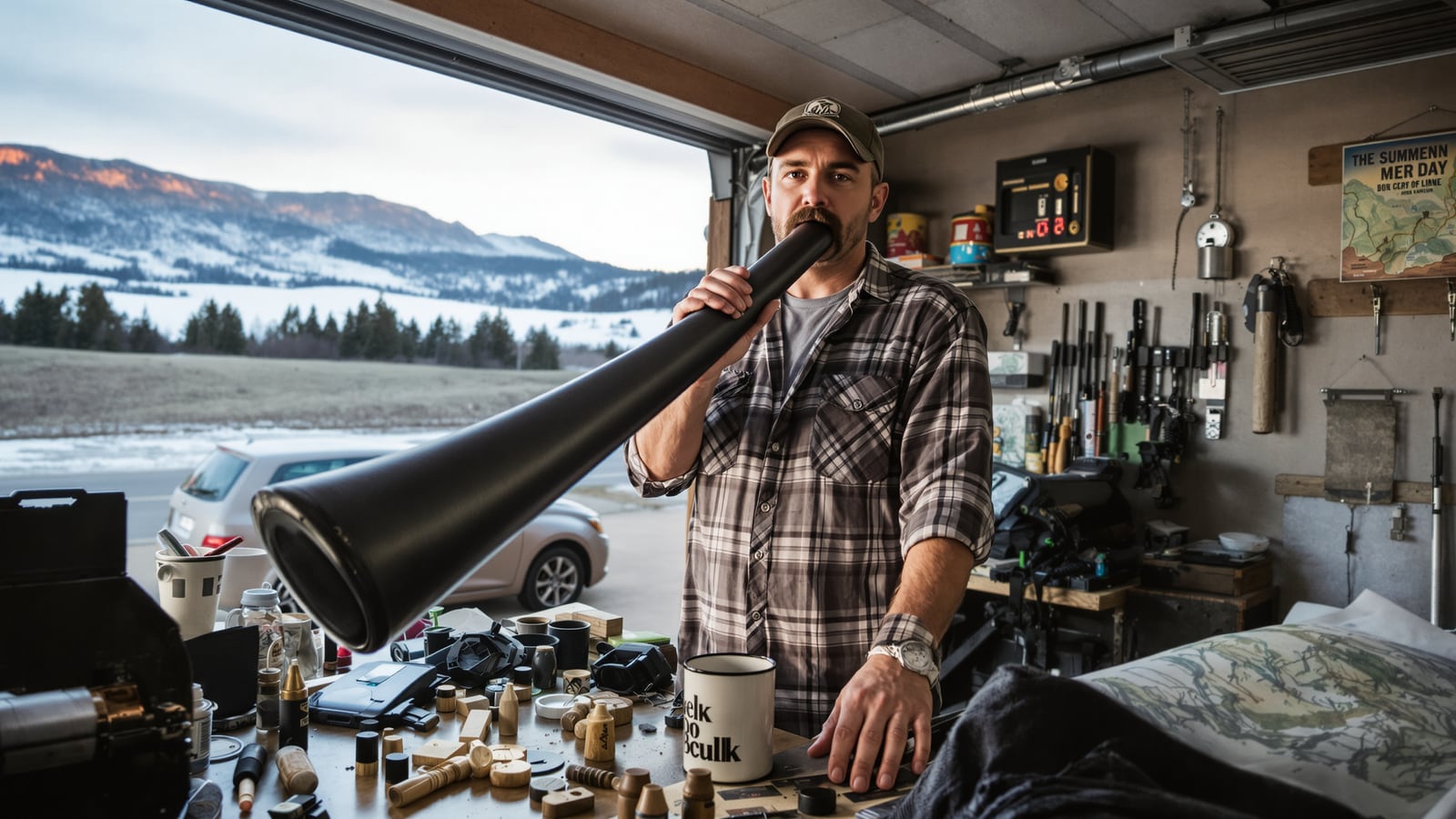
Quick answer: Bulls bugle hardest on cool mornings and evenings, early in the rut, in country with light hunting pressure. They go quiet when it's hot, when they're pushed hard, when they're tending cows, or when they're sneaking in to find you. Don't treat silence as a no. Treat it as information.
Regulations vary by state, province and unit. Season dates, legal weapons, call restrictions and blaze orange rules all differ, so read the current regulations for the exact unit you're hunting before you pack the truck.
The morning everyone remembers
You're set up in the dark at 5:15, thirty-some degrees, breath hanging in the air. A bull screams from the next drainage. Your heart does something it shouldn't. You answer with a bugle. He answers back. Three minutes later, nothing.
Most hunters decide the bull left. Some decide he's "called out" and move on. A lot of the time, he's doing the one thing a smart bull does when he's interested: closing the distance without announcing himself. Bulls don't owe you a soundtrack.
That's the whole angle of this piece. The bugle gets you excited. The silence is where the hunt happens.
When they're loud
Elk bugle most when a few things line up.
- Cool air. Crisp mornings and evenings get them going. A hot, still afternoon at the same elevation can feel like a different forest.
- Early to peak rut. Bulls are sorting out who holds cows, and they're advertising. Early September in many areas is before the cows are fully in heat, so you'll hear plenty of noise but see bulls that aren't yet desperate.
- Low pressure. Country that sees few hunters keeps its bulls talking. The same ridge after two weeks of trucks and bugle tubes gets hushed.
- Daylight edges. First and last light are the prime windows. Mid-day bugling happens, but it's the bonus, not the plan.
Timing shifts with the year, the herd and the elevation. A bull in a high basin and a bull in lower timber are on different calendars. Spend your first evening listening, not calling.
When they go silent, and why
Silence has causes, and each one changes what you do.
Heat. If it's warm, bulls bed in the shade and conserve energy. Hunt water, north-facing timber and wallows. Don't burn out your voice in a dead afternoon.
Pressure. Bulls that have been bugled at, chased and pushed learn quickly. They'll still be there. They just won't talk. Back off the volume, cut the bugling, and lean on cow calls.
Cows. A herd bull with a harem has little reason to leave. He's not going to run to your bugle and risk losing cows to a satellite bull. He'll bugle to keep his group in line, then go quiet when they're settled. You'll often have to work to him, not call him to you.
Post-peak. Late in the rut, bulls are worn out and thin. Breeding is winding down. The calling drops off, and what's left is subtle: a cow call, a few grunts, some raking.
He's coming. This one's the hardest to trust. A bull that answered twice and then shut up may be walking in on the wind to find the rival. That's your cue to get still, not louder.
How to call without ruining it
Keep it simple.
- Start with a locator. A single bugle or a coyote-like call at first light, then listen for ten minutes before you do anything else.
- Prefer cow calls. A soft mew or two sounds like a relaxed elk. It's the least threatening sound in the woods, and it works on bulls that are tired of bugles.
- Match the bull. If he's screaming, answer with confidence. If he's grunting and quiet, go quiet back.
- Use the wind. Elk live by their noses. A perfect call from the wrong side of the wind is a gift to the bull that smells you.
- Set up with a partner. The shooter stays forward, and the caller sits fifteen to thirty yards behind. A bull coming to the sound looks at the caller and gives the shooter a window. If you're alone, call, then move forward quietly to a spot with shooting lanes.
Know your call rules. Many jurisdictions restrict or prohibit electronic calls for elk, and some limit calling in certain seasons. A mouth diaphragm, grunt tube or bugle tube is usually legal, but verify.
The hang-up
Mature bulls often stop at eighty to a hundred and fifty yards, bugle, and stand there. They want the other bull to show himself. You've got three honest options:
- Sit tight and let a soft cow call do the work.
- Move your caller to the side so the bull circles for a look, which often drags him into your lane.
- Shut up entirely. A silent hang-up sometimes ends with the bull walking off, and sometimes with him stepping into view because nothing else is happening.
Don't push a shot you don't like. If it's too far, too brushy or not quite right, you already know the answer. When you're not sure of the shot, you already have your answer covers exactly that decision.
Safety, because calling pulls in more than elk
A bugle tube makes you a magnet. The elk may answer, and so may another hunter.
- Never shoot at a sound. Not at a bugle, not at a crash in the brush, not at a flash of tan. You identify the animal, the target and what's beyond it, every time.
- Assume you're not alone. In popular units, someone is probably working the same bull. Be visible in a way the regulations allow. Where blaze orange is required, wear it. Where it isn't, consider a bright pack cover, and tell someone back home exactly where you'll be.
- Know your backstop. Calling brings elk close, sometimes inside twenty yards. That's a great shot and a tricky moment. Draw, release or fire only when you're steady and sure.
- Respect the big stuff. In bear country, a calling hunter and a dead elk draw attention. Carry bear spray where it's appropriate, know the rules on lawful carry of a sidearm in that jurisdiction, and keep your pack clean of food odors.
- Leave the elk alone when you aren't hunting. Chasing herds around for fun or recording drives them off winter range and puts pressure on animals that need rest.
Conservation is part of the hunt
Elk herds in the West exist because hunters funded and fought for habitat. Stay on legal access, close gates, pack out everything, and don't spook a bull you've no intention of taking. Take only a legal animal, and only a clean shot. If you hit one, you owe it your best effort to find it, and then your best effort to use all of it. Field dressing alone and getting the meat out is worth reading before the season, not after you're standing over a bull at dusk.
If you don't have private ground, where to hunt when you don't own a single acre will help you find legal public access. And reading sign is a clock, not a map will teach you what a fresh wallow says about when to be there.
What to do tomorrow
Go sit on a ridge at first light with no call in your hand. Listen for forty-five minutes. Note when the bugles start, where they come from and when they stop. Do that two mornings in a row.
By the third, you won't need to guess what the quiet means. You'll be hearing it.
Wes Dunbar
Country & Skills
Grew up on an acreage and never quite left. Covers trucks, trades, land, and how to do the thing yourself.

Watch
Worth an hour of your evening
More from Hunting & Shooting.
From channels we rate. Plays on YouTube.
Read next