Boil It, Filter It or Drop a Tablet In It
Three ways to make backcountry water safe, what each one misses, and the mistake that ruins a filter without leaving a mark.
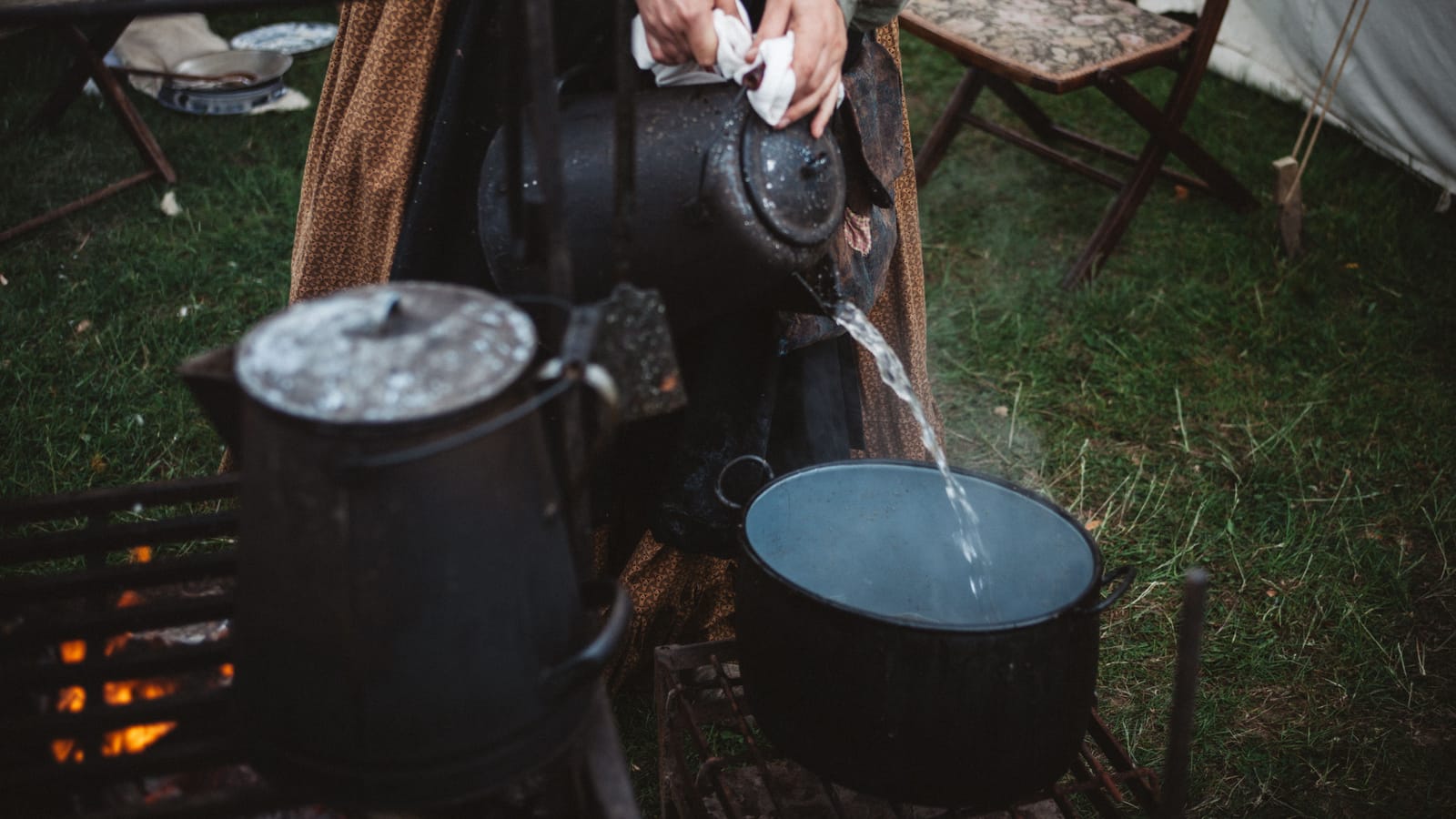
A rolling boil for one minute kills everything biological in that pot. Three minutes if you're above 6,500 feet, because water boils cooler up there. That's the CDC's number, it hasn't changed, and it's the only method on this list with no asterisk about which bug it misses.
Everything else is a trade. Filters are fast and taste like nothing. Tablets weigh almost nothing and never clog. Boiling costs you fuel and twenty minutes of waiting for the pot to cool down enough to drink. Pick based on what you're actually doing that day, and carry two of the three.
Boiling is the standard everything else is measured against
Heat doesn't care whether the threat is Giardia, Cryptosporidium, a norovirus, or bacteria from a cow that stood in the creek upstream. It all dies. You don't need to know what's in the water, which is the whole point when you're drinking out of a stock tank in country you don't know.
The cost is fuel. A small canister that gets you through a weekend of coffee and dinner won't get you through three days of boiling every drop your family drinks. If boiling is your primary method, plan fuel around the water first and the meals second. That math surprises people on day two.
Bring it to an actual rolling boil. Not steaming, not a few bubbles climbing the side of the pot. Bubbles breaking the surface continuously, and then start counting. If you're at altitude and you're not sure, three minutes covers you and costs you almost nothing.
One more thing nobody mentions. Boiled water tastes flat, because you drove the dissolved air out of it. Pour it back and forth between two containers once it's cool, or add a pinch of salt. Kids notice the flat taste and they'll drink less because of it.
Filters buy you speed, and they have a blind spot
A modern hollow-fiber squeeze filter weighs about three ounces and lets you drink at the creek instead of standing over a stove. That's a real advantage, and it's why most backpackers carry one.
The number that matters is pore size. You want 0.2 micron or smaller to reliably strip out Giardia and Cryptosporidium, the two protozoa that put people on the ground in North American backcountry. Most name-brand backpacking filters are 0.1 or 0.2. Check the packaging, and look for testing against NSF/ANSI standards rather than a vague "removes 99.9% of impurities."
The blind spot is viruses. They're small enough to go straight through a 0.1 micron membrane. In clean high-country drainages in the US and Canada that risk is low, and plenty of experienced people accept it. Downstream of a campground, a pasture, or anywhere human waste is in the picture, it's a different conversation. Products labeled purifiers handle viruses, usually by adding a chemical stage or by going down to a much finer membrane. They cost more and flow slower.
Now the mistake that actually ruins filters.
If a wet hollow-fiber filter freezes, it's done. Ice expands inside those tiny tubes and cracks them, and a cracked filter looks and feels exactly like a good one. It still flows. It just doesn't filter anymore. In cold weather, that filter sleeps in your sleeping bag with you, not in the vestibule with your boots. If it did freeze, throw it out. Don't gamble on it.
Second most common failure: slow flow. That's sediment packing the membrane, and it's fixable. Backflush it per the instructions, and pre-filter dirty water through a bandana or a coffee filter before it ever reaches the cartridge. Scooping straight out of a silty spring is how you turn a season-long filter into a weekend filter.
Tablets are the backup that never breaks
Chlorine dioxide tablets are the ones to carry. Two ounces of packaging, no moving parts, nothing to freeze or clog, and a shelf life measured in years.
Read the label and follow the wait time, because the wait time is the product. Typically that's **30 minutes for bacteria and viruses and four hours for Cryptosporidium**. Cold or cloudy water needs longer. People blow this constantly — they drop the tablet in, wait until they're thirsty, and drink at fifty minutes thinking they've covered themselves. For Crypto, they haven't.
Build the wait into your routine instead of fighting it. Treat the bottle you'll drink at lunch when you break camp in the morning. Treat tomorrow's water at dinner. The clock stops being an inconvenience once it's on a schedule.
Iodine is the older option and it's still sold. It doesn't handle Cryptosporidium, it stains, and the taste is a genuine deterrent for kids. It also isn't appropriate for everyone, including people with thyroid conditions and women who are pregnant — that's a question for your doctor, not for a packing list.
At home, plain unscented household bleach does the same job. The EPA and CDC publish drop counts per gallon by bleach concentration, and the count changes depending on whether you've got 6 percent or 8.25 percent on the shelf. Look it up and write it on masking tape stuck to the jug, because you won't remember it in the dark with a headlamp in your teeth. Cloudy water gets double the dose, and everything sits 30 minutes before you drink.
What none of this fixes
Boiling, filtering and tablets all deal with living things. They don't do much about chemistry.
Pesticide and fertilizer runoff below a field. Heavy metals and old mine drainage in parts of the Mountain West. Fuel and oil near a road crossing. Boiling actually concentrates some of that, since you're evaporating water and leaving the contaminant behind.
Blue-green algae is the one to burn into your memory, mostly because of dogs. A pond with a pea-green scum or a paint-slick surface in warm weather can carry cyanobacteria toxins that boiling won't destroy. Don't drink it, don't filter it, and don't let the dog swim in it. Walk to a different source.
So the first decision is the source, not the method. Moving water beats standing water. Upstream of the trail beats downstream of the trail. A spring coming out of rock beats a creek that's been through a pasture. Clear beats cloudy every time, and if the only option is cloudy, let it settle in a pot for an hour and pour the top off before you treat it.
What to actually carry
For a day hike or an overnight: a squeeze filter, plus a strip of tablets in the lid pocket. Four ounces total for the pair. The tablets exist for the moment the filter clogs or cracks.
For a family trip with a base camp: a gravity system you hang from a branch and a pot for boiling. Gravity filters produce liters while you set up tents, and nobody has to stand there squeezing a bag for twenty minutes.
For the truck or the house: bleach, an eyedropper, the dose written down, and a couple of collapsible five-gallon jugs. Boiling covers you if the utility issues a boil advisory, and the stove works as long as the gas does.
The discipline is the hard part. Treated water for drinking, and also for brushing teeth, rinsing a cut, and the last swallow at the bottom of the pot you used for pasta. Giardia doesn't care that it was only a mouthful.
Test your gear in the backyard before it matters. Squeeze a liter through a new filter, time it, and learn what normal flow feels like in your hands. Then when it doesn't feel like that on the trail, you'll know before you're sick.
Wes Dunbar
Country & Skills
Grew up on an acreage and never quite left. Covers trucks, trades, land, and how to do the thing yourself.

Watch
Watch how it's done
Picked for this article.
From channels we rate. Plays on YouTube.
Ultralight Gear
Filters vs Tablets vs Boiling: Which Water Treatment Is Best?
Nature Reliance
How to Treat Creek Water: 3 Backcountry Water Treatment Methods
Read next